Work meetings took up this much of the average employee's week
If your calendar feels like a string of camera calls where you may have to speak on cue, the weekly benchmark is bigger than many workers expect.
 By Maria Lee·
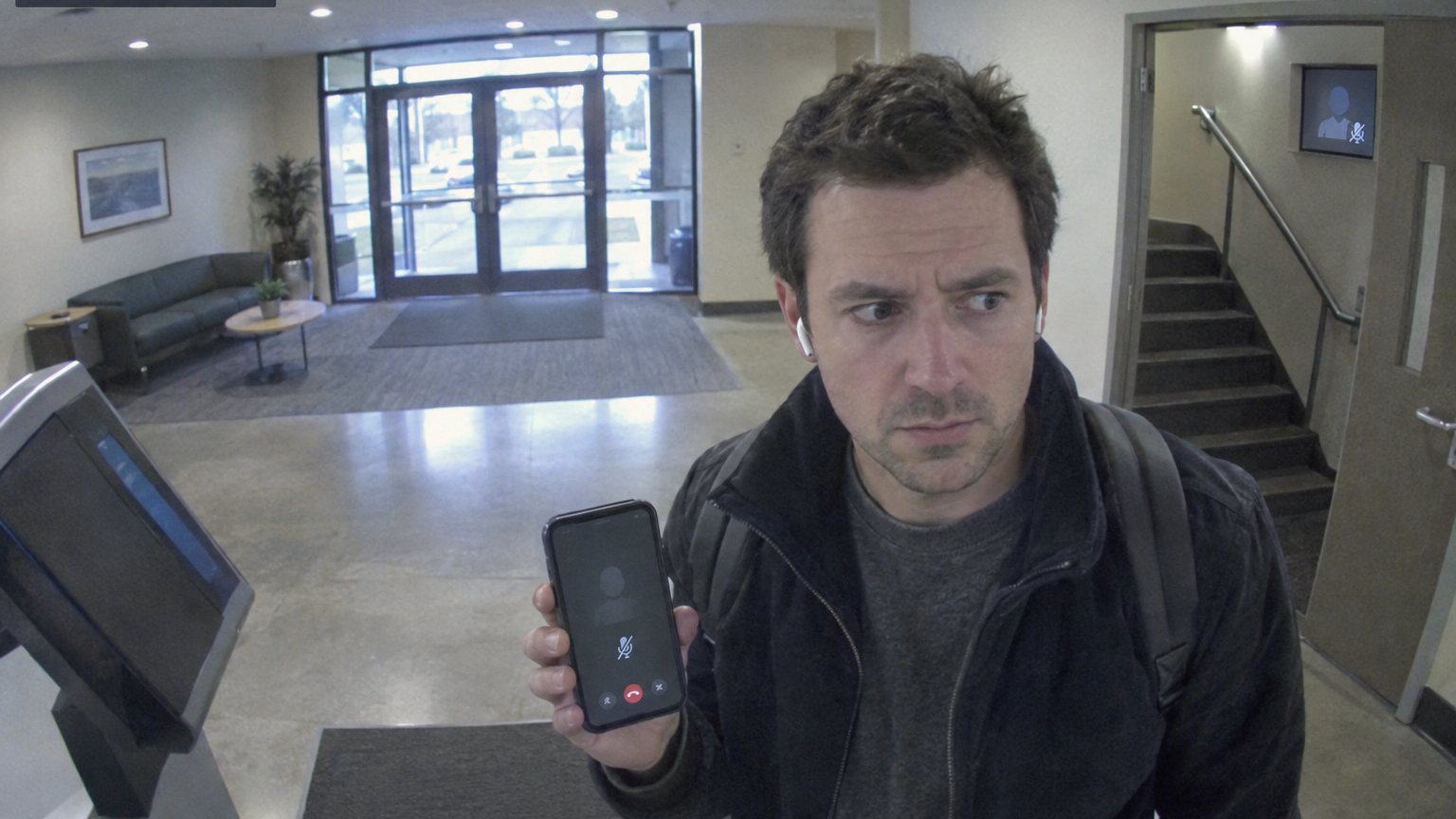
Employees averaged 17.7 meetings and 18 meeting hours each week in 2022, while managers reached 22.2 hours. Otter.ai and Steven Rogelberg reported the benchmark in a Sept. 26, 2022 report. But if you get tense before camera calls, the exposure is not only time. It is repeated chances to be asked, come off mute and sound confident while everyone is watching.
Managers spent 22.2 hours in meetings
The report split the weekly meeting load by role. Employees overall averaged 17.7 meetings totaling 18 hours per week. Non-managers averaged 14.4 meetings and 13.7 hours. Managers with at least 4 direct reports averaged 21.3 meetings and 22.2 hours.
That management figure matters for anyone whose nerves show up in status calls, review calibrations or quick syncs. A manager is not only attending more meetings. The role also brings more moments where someone may ask for a decision, a summary or a confident answer.
- Employees overall18hours per week
- Non-managers13.7hours per week
- Managers with at least 4 direct reports22.2hours per week
Otter.ai and Steven Rogelberg reported weekly meeting hours for employees overall, non-managers and managers with at least 4 direct reports.
Coming off mute turns hours into voice time
Meeting hours are often counted as calendar time, but the pressure can arrive in seconds. You may be listening for 13.7 hours as a non-manager, then suddenly need to say the update, ask the question or defend the next step.
That is where a full meeting calendar becomes a speaking issue. If one part of the call is the slides, another is the voice you use when your name is called. People who want more structure before those moments often look for public speaking apps that let them practice out loud before the real call.
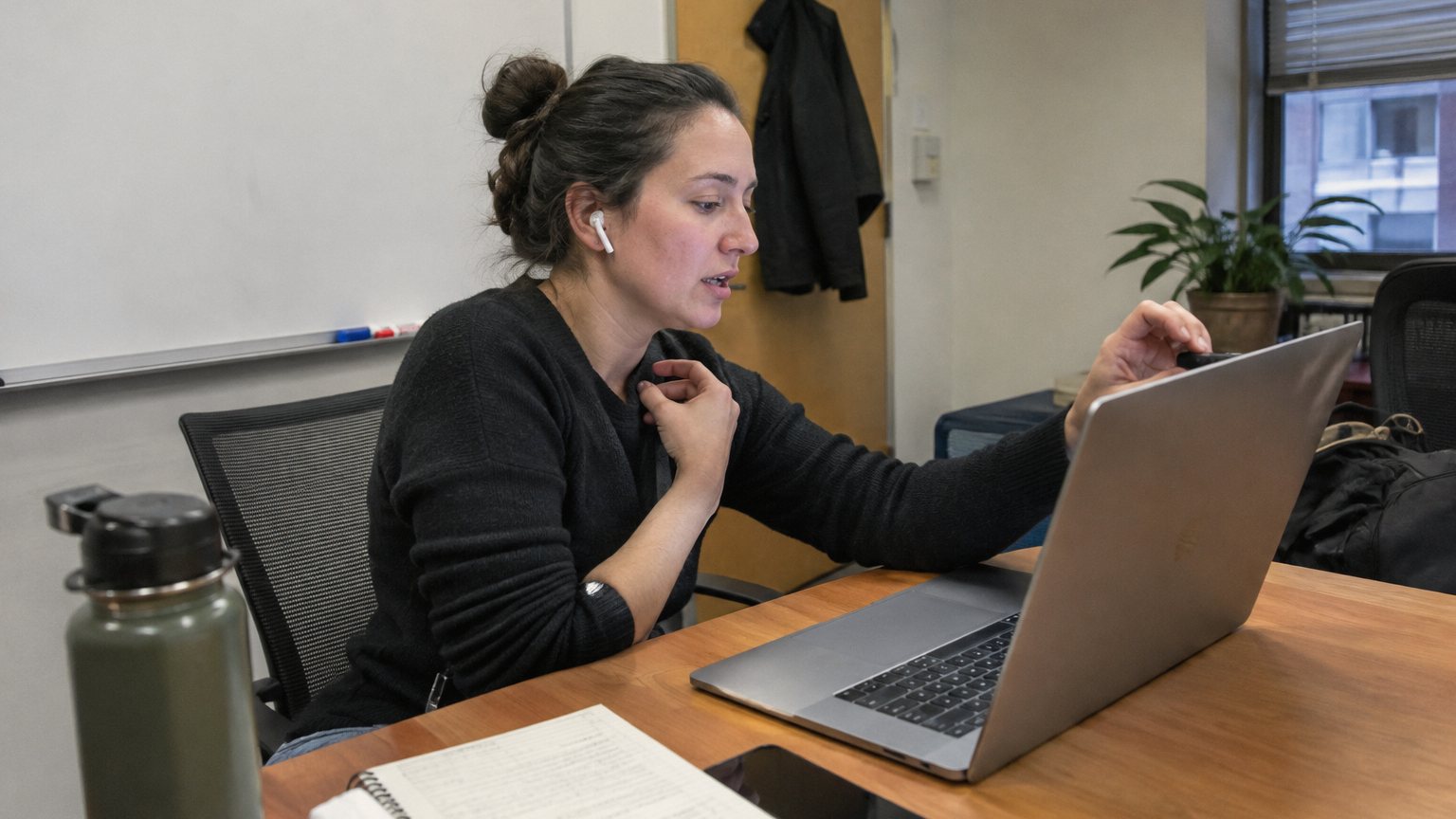
Why does the calendar feel so tiring?
A separate Computers in Human Behavior Reports paper in 2021 studied Zoom meeting users and the Zoom Exhaustion and Fatigue Scale. In a scale validation study based on 2,724 respondents, the authors reported that meeting frequency, duration and burstiness were associated with a higher level of fatigue.
That wording is useful because the meeting problem is not only the count. Frequency is how often calls appear. Duration is how long they last. Burstiness is the way meetings cluster. A worker can feel worn down by 17.7 meetings even before any single call goes badly.
A non-manager week still carried 13.7 hours
The non-manager benchmark is easy to understate. The report put non-managers at 14.4 meetings and 13.7 hours per week. That is not the manager level of 21.3 meetings and 22.2 hours, but it is still a large dose of listening, answering and being visible.
Take a non-manager analyst whose week lands near the report average. The calendar has 14.4 meetings totaling 13.7 hours. If several are camera calls, the speaking work may be scattered: a 1-minute update here, a quick answer there, then a longer explanation when the project hits a snag.
For a manager with at least 4 direct reports, the example looks different. The benchmark rises to 21.3 meetings and 22.2 hours. More of those moments may involve setting direction, asking for changes or speaking when the room is waiting.
Every role level in the meeting benchmark
The full role split shows why two coworkers can feel very different about the same meeting-heavy culture. The overall employee average was 17.7 meetings and 18 hours. Non-managers were lower. Managers with at least 4 direct reports were higher on both counts.
| Group | Meetings per week | Meeting hours per week |
|---|---|---|
| Employees overall | 17.7 | 18 |
| Non-managers | 14.4 | 13.7 |
| Managers with at least 4 direct reports | 21.3 | 22.2 |
Average weekly meetings and meeting hours reported by role
The Zoom fatigue paper adds a second lens to that table. It did not say every meeting creates the same fatigue. It reported that frequency, duration and burstiness of Zoom meetings were associated with a higher level of fatigue among 2,724 respondents.
What this means for you
If your week is near 18 meeting hours, feeling drained before another camera call is not a personal flaw. Your calendar may be giving you many small performance moments: answer now, summarize now, sound clear now, ask the uncomfortable question now.
Before your next meeting-heavy day, mark the calls where you are likely to speak. Write the first sentence for each one. Keep it short enough to say while nervous. If your week looks closer to 21.3 meetings, protect a few minutes between calls so your voice has a reset, not just your calendar.
Sources