This is how many US office workers have cried at work before
Hard feedback can hit before your answer is ready. If you worry your voice or face will give you away in a review, the workplace benchmark is less rare than it may feel.
 By Maria Lee·
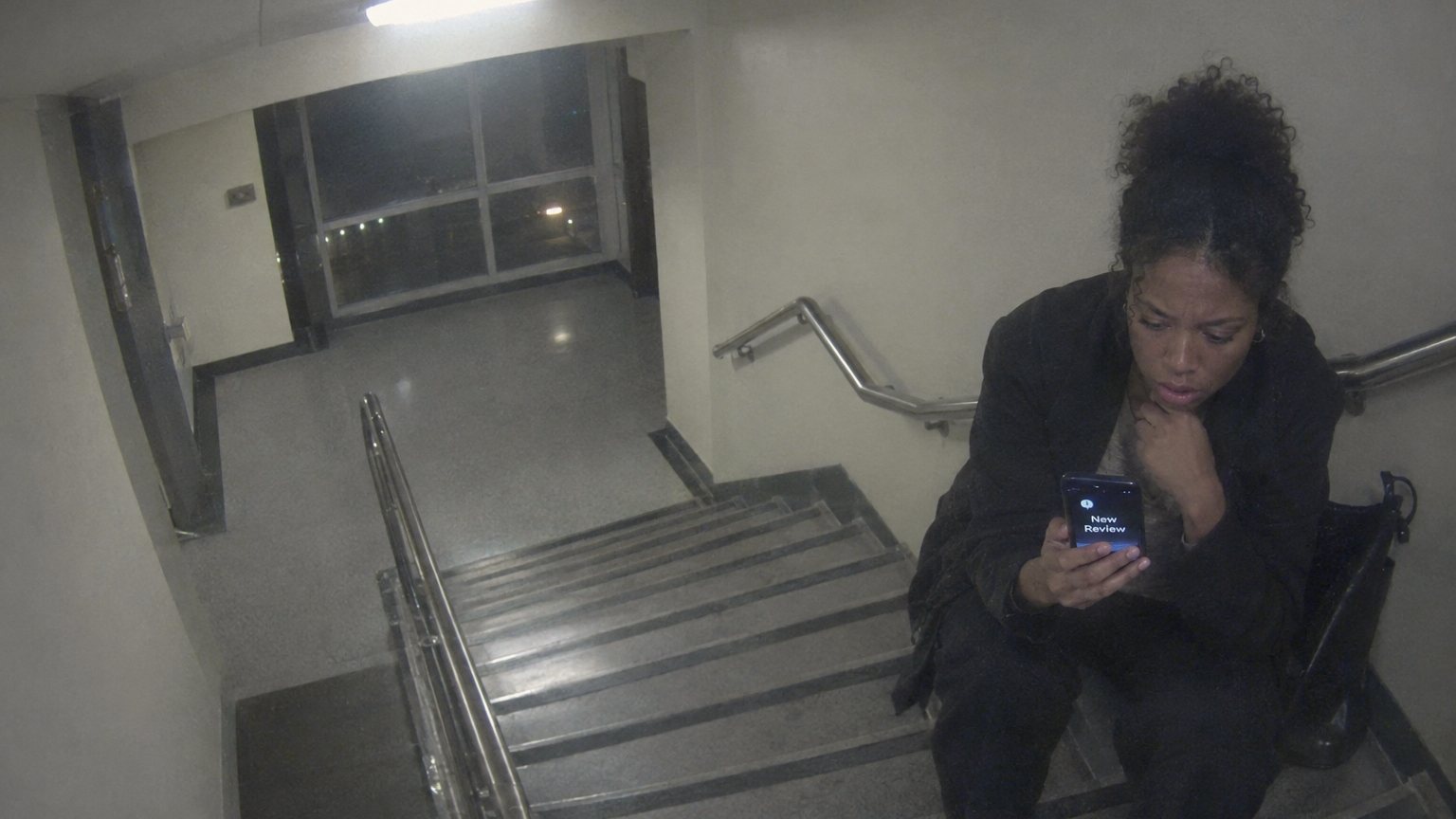
In 2018, 45% of U.S. office workers said they had cried at work, while 55% said no. Accountemps, a Robert Half company, published the finding in an April 2018 release about emotions at work. But the public release does not show whether crying itself was more common by gender or age, which matters if you are trying to guess whether you are the only one close to tears after hard feedback.
45% of office workers said they had cried at work
The Accountemps release put the question plainly: workers were asked, “Have you ever cried at work?” The reported answers were Yes, 45%, and No, 55%. That makes crying at work common enough to be a workplace experience, not a rare personal collapse.
For a performance review, the number changes the scale of the fear. If your manager starts with one hard sentence and your face tightens, you are not outside normal office life. The survey did not ask only about reviews, but the review room is one place where emotion and reputation meet quickly.
The hard part is the sentence after feedback
Crying at work is visible, but the speaking problem often arrives first. You hear the criticism, then you need to answer, ask a follow-up question or defend a decision. A shaky voice can feel as exposing as tears, especially when you still need to sound clear.
In that moment, control may be small and practical: slow the first sentence, name the point you heard, then ask what would improve the next version. If hard feedback makes you speak too softly, basics like voice projection give you one concrete part of the conversation to manage.

What did the survey not answer?
The public Accountemps release gives the main crying-at-work result, 45% yes and 55% no. It does not publish a gender split for that question. It also does not publish an age split for whether workers had cried at work.
That limit is important. It would be easy to turn a private worry into a claim about who cries more, but this public source does not support that claim. The age figures it gives are about reputation, not about the act of crying itself.
Older workers were more likely to say reputation is not hurt
Accountemps reported one age breakdown: how workers viewed the reputation effect. Workers age 55 and older were more likely to think crying does not affect someone’s reputation, at 43%. That compares with 31% among workers ages 35 to 54 and 25% among workers ages 18 to 34.
Take a worker in the 18 to 34 age group who tears up after tough feedback. In the published age results, only 25% of that age group said crying does not affect reputation. A coworker age 55 or older was reported at 43% on the same reputation view. The younger worker may not be imagining the social stakes.
The published breakdown separates experience from reputation
The cleanest reading is two-layered. First, 45% of U.S. office workers said they had cried at work. Second, views of reputational damage differed by age, with 43%, 31% and 25% saying crying does not affect reputation across the three published age bands.
| Question or measure | Group | Share |
|---|---|---|
| Ever cried at work | Yes | 45% |
| Ever cried at work | No | 55% |
| Crying does not affect reputation | Workers age 55 and older | 43% |
| Crying does not affect reputation | Workers ages 35 to 54 | 31% |
| Crying does not affect reputation | Workers ages 18 to 34 | 25% |
Every public percentage cited from the Accountemps workplace release
What this means for you
If you cry or almost cry at work, the Accountemps benchmark says the experience is common: 45% said yes, against 55% who said no. The source does not prove whether someone like you is more likely to cry by age or gender.
Before a review, prepare one sentence for the exact moment after criticism lands: “I hear the concern, and I want to understand the next step.” If your voice shakes, slow down and finish that sentence. The goal is not to hide every feeling. It is to keep enough words available to take part in the conversation.
Sources