When the phone rings, this many millennials feel anxious before hello
If an incoming work call makes your voice feel less ready, the generational benchmark may make the reaction feel less private.
 By Maria Lee·
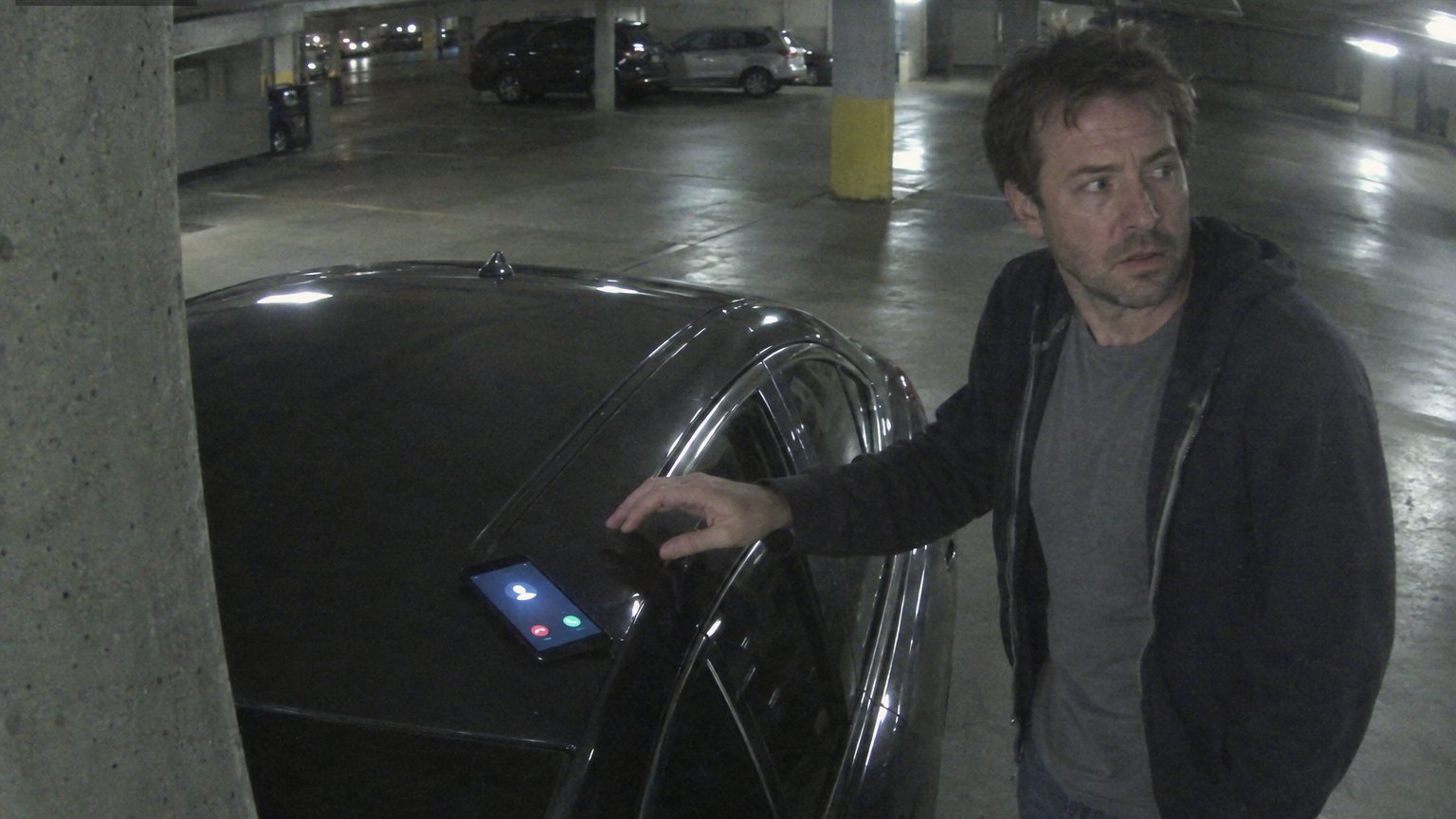
In 2026, 70% of millennials and 40% of baby boomers reported anxiety when the phone rings. Psychology Today cited that U.K. study in a 2026 article on phone-call anxiety. But the work problem is not only the sound. It is the voice, the first words and the worry that the other person is already judging how you will answer.
The generational gap is wide
For a professional in their 30s or early 40s, the 70% millennial figure turns call dread from a private quirk into a group benchmark. The 40% baby boomer figure is still large, but it is much lower than the millennial share in the U.K. study cited by Psychology Today.
Take a millennial project manager who freezes for a second when a manager calls without warning. Using the cited U.K. benchmark, that reaction sits inside the higher of the two reported groups. If a baby boomer mentor treats the same ring as routine, the source gives a reason the two reactions may not match.
The hello carries the judgment
A ringing phone creates a speaking moment before the conversation begins. You do not get the extra drafting time that email or chat gives you. If the ring feels like a tiny performance, it can resemble glossophobia, only the audience may be a manager, recruiter or client.
Psychology Today wrote that people with telephobia often fear what someone else might think of them and that they “anticipate judgment.” That line connects phone dread with speaking nerves. The pressure starts before the hello, because the caller may expect an answer immediately.
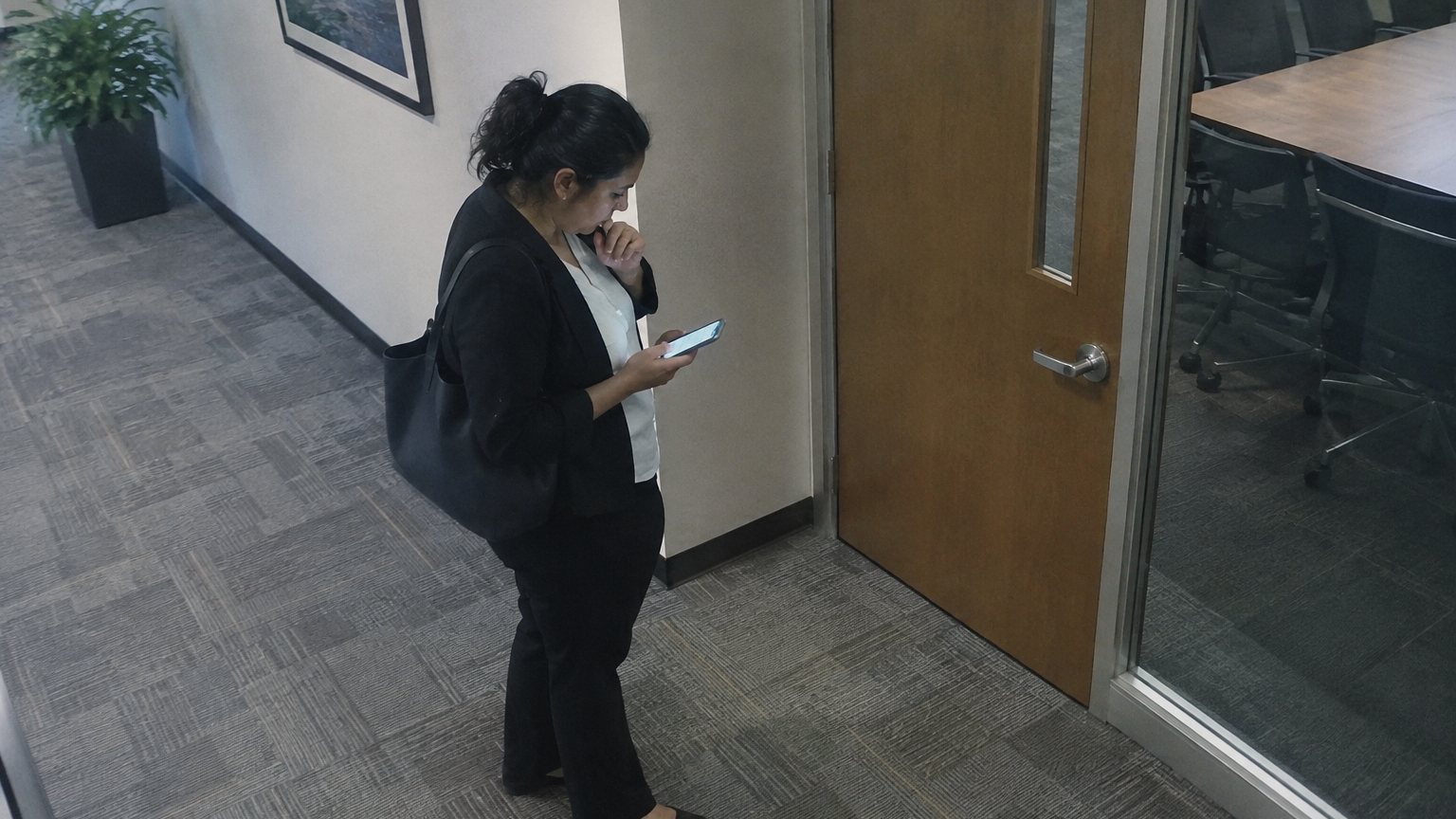
Students reported telephobia in 2024
Psychology Today also cited a 2024 study of more than 300 students. In that study, 9% experienced moderate to severe telephobia, and 33% experienced mild telephobia. The sample was students, not the full workforce, but it gives phone fear another public benchmark.
Those student figures separate the issue by level. The 9% group was in the moderate to severe range, while the 33% group was mild. A tense work call can feel embarrassing precisely because it looks simple from the outside: a device rings, and you are supposed to speak.
What makes the ring feel like pressure?
The Psychology Today article points to uncertainty. On a call, you may not know why the person is calling, what they will ask, or how quickly you must answer. In work life, that can mean a manager calling after a meeting, a recruiter calling back, or a client asking for a decision.
AmberWillo onboarding answers add a related speaking benchmark from people already working on nerves. From Dec. 8, 2025, to Oct. 8, 2026, 708 of 1,851 nervous speakers, or 38%, chose freezing or forgetting what to say as their biggest challenge.
That group was not asked about phone calls specifically. It included people focused on presentations, interviews, social situations, pitches and other speaking moments. Still, the overlap is practical: a live call can make the words feel due before you have decided what to say.
The U.K comparison in one place
The cited U.K. study gave two generation figures for anxiety when the phone rings. Psychology Today named millennials and baby boomers, and the spread between those groups is the clearest public benchmark in the article for adults who tense up before answering.
| Group | Reported anxiety when the phone rings |
|---|---|
| Millennials | 70% |
| Baby boomers | 40% |
Share who reported anxiety when the phone rings in the U.K. study cited by Psychology Today
What this means for you
If your stomach tightens when the phone rings, the 70% millennial benchmark says the reaction is common in that generation. If the harder part is blanking, the AmberWillo answers show that freezing is a common speaking concern across pressure moments.
Before answering a work call, give yourself a ready opening line: your greeting, your name and a calm request for context. If the call is unexpected, it is fair to say you want to make sure you understand the question. The goal is not to sound perfect. It is to get the first sentence out.
Sources
- Psychology Today, “Why Phone Calls Make So Many People Anxious,” 2026
- AmberWillo anonymized onboarding answers, Dec. 8, 2025 to Oct. 8, 2026