Spandau Ballet's Tony Hadley still gets stage fright after 50 years. His fix works in meetings too
Tony Hadley still gets butterflies before every show. What he does in the first second on stage is a routine you can copy before you speak at work.
 By Maria Lee·
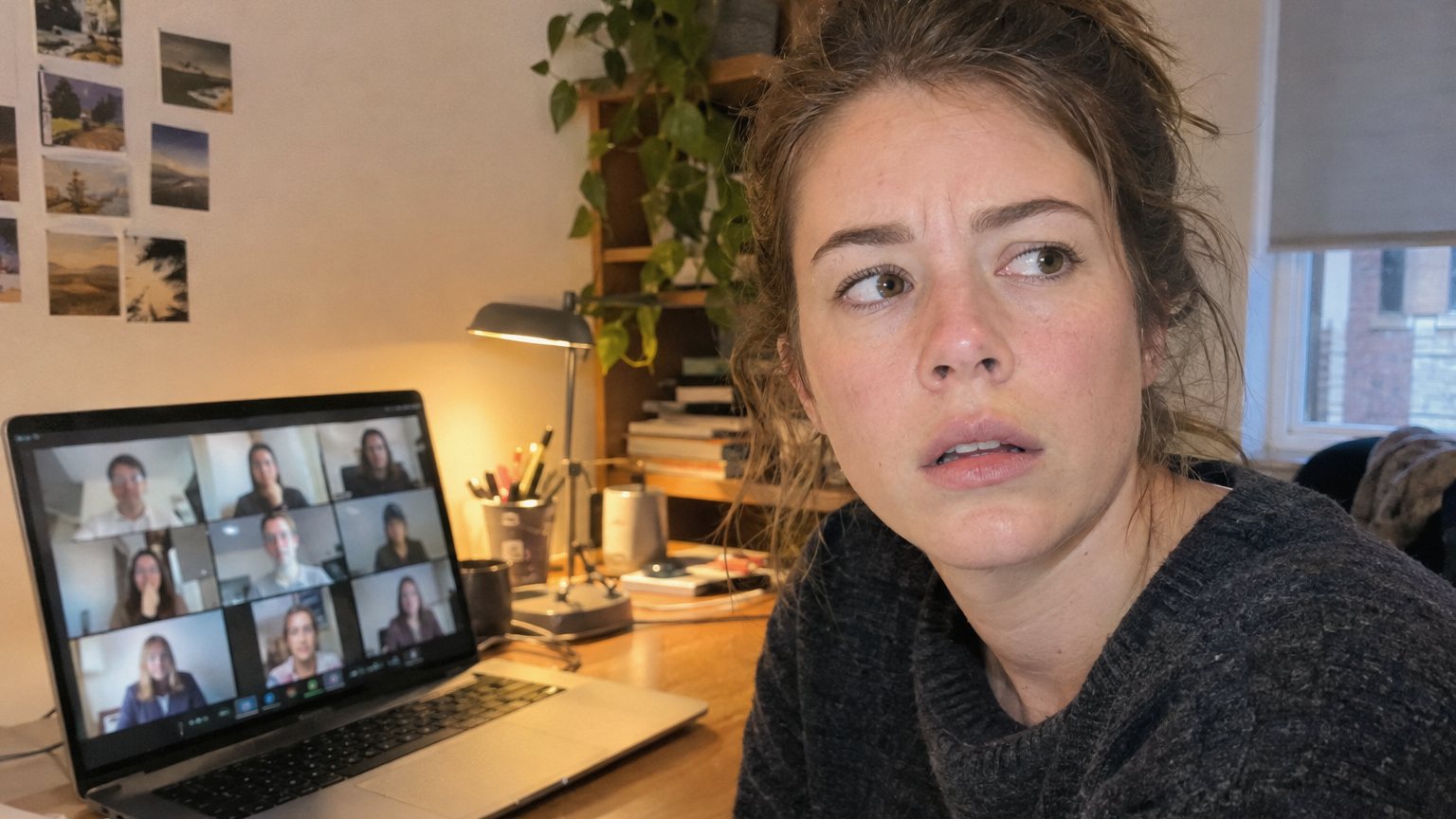
You may not be walking onto a stage. You may only be unmuting in a meeting, answering a manager, or standing at the front of a conference room. But the feeling is familiar: people wait, your mouth opens, and the sentence you had a second ago disappears. In AmberWillo onboarding answers, 708 of 1,851 nervous speakers picked going blank or forgetting what to say as their single biggest challenge.
That is why Tony Hadley’s new comments landed beyond music news. BANG Showbiz, via Female First, reported that the Spandau Ballet singer still gets nerves before shows, even after a 50-year career. The useful workplace clue is not the celebrity ritual, and it is not the drink he described. It is a smaller number in our own data, one we will come back to near the end.
- Go blank or forget what to say38%
- Speak too fast when nervous21%
- Do not sound confident18%
- Use too many filler words11%
- Sound monotone or flat9%
- Do not know what to do with hands or face3%
Share of 1,851 AmberWillo users who picked each answer as their single biggest challenge, Dec. 2025 to Oct. 2026.
Hadley named the feeling before showtime
Female First reported the interview under the BANG Showbiz byline. Hadley said he would be “almost be nearly sick” before shows as a teenager, but now mainly has “butterflies in the tummy” before showtime. He told BANG: “It's because you want to be the best you can be, and you just want it to go swimmingly well and everything to work.”
That quote matters because it names something many professionals quietly recognize. The nerves do not always mean you are unprepared. Sometimes they arrive because the moment matters, someone is evaluating you, and there is no easy way to hide while you find your words.
The ritual is the noisy part
Hadley also described a band ritual before going on. He told BANG: “We find the nearest pub, we have a couple of pints, and then before we go on, we have what is called a 99, which is basically a vodka shot.” He added: “None of us go on drunk or anything. It just helps to kind of taper the nerves.”
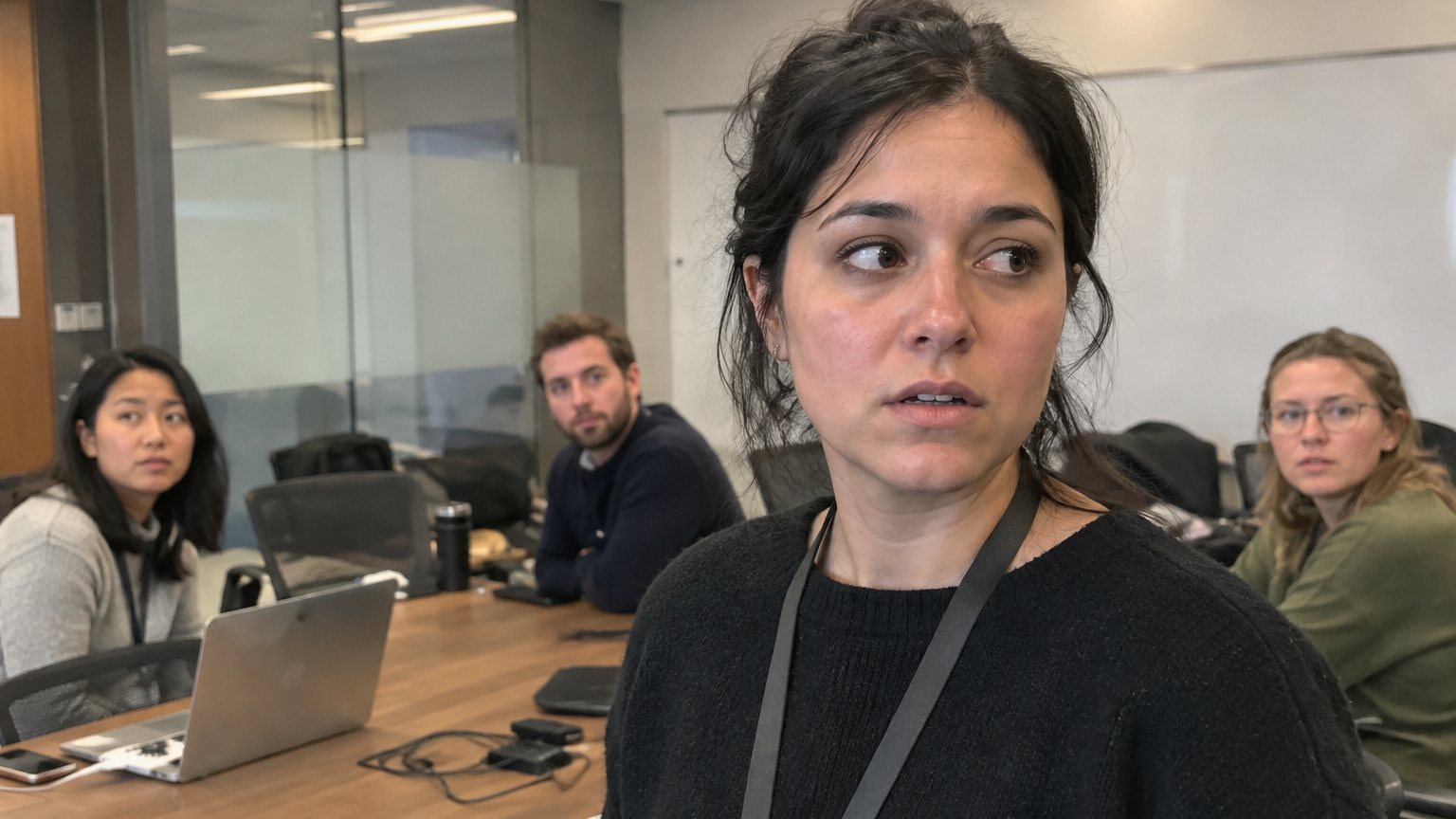
That part is not advice for a work meeting, a job interview, a presentation, or a class. Alcohol is not the transferable lesson here. The clue is what happens right before attention hits, and what happens immediately after the first sound comes out.
- Work presentations39%
- Social situations20%
- Job interviews12%
- Other11%
- School or academic9%
- Video content5%
- Sales or pitches5%
Share of 1,850 AmberWillo users who named a main speaking situation. Only groups with at least 80 respondents are shown.
The biggest setting in our sample was work presentations, named by 39% of nervous speakers. Job interviews were smaller as a main setting, at 12%, but they carry the same basic pressure: someone is watching, waiting, and forming an impression while you start.
That is the part many people miss when they compare themselves with performers. A singer has a song to enter. A band has a cue. A workplace speaker may have only a silent room and a question they did not choose. We still have not named the smaller number in our data, because naming it too early would make it sound like generic practice advice. It is more specific than that.
Why copying the ritual misses the clue
Hadley said the shift happens fast once he starts. “The butterflies are there just before I go on, but as soon as I start to sing, as soon as I open my big mouth, I feel at ease. It's almost euphoric.” For a singer, the first sound is built into the job. The song begins, the band is moving, and the next line has somewhere to go.
A meeting is different. You may be waiting for your turn. Someone asks a question. The video grid stares back. There is no backing track, no first note, and no obvious opening line unless you have one ready. That is the gap between a stage ritual and an office blank: the ritual is visible, but the useful start is easy to overlook.
The number behind the missing start
92 people in our sample said they practice weekly. Out of the four practice-frequency answers, weekly was the smallest group among 1,851 nervous speakers.
That number does not prove rehearsal prevents a blank. It does not say people who rehearse never feel nerves. It only says that among people who signed up to work on speaking nerves, a steady weekly speaking routine was uncommon. Hadley’s comment points to the same overlooked place: the moment before the first sound, and the relief that can come once the start is already in motion.
What this means for you
If meetings empty your head, do not wait to feel confident before you begin. Give yourself a tiny pre-start sequence you can rehearse. Choose your first line. Choose your first breath. Choose where your eyes land. Then begin before you judge how confident you feel.
For example: look at one friendly square on the video call, breathe out once, and say, “The short version is...” Or in a room, look at your notes for one beat, look up at one person, and say, “I would frame it this way.” The line is not magic. The repeatable start is the point.
Sources
- BANG Showbiz via Female First
- AmberWillo onboarding answers, n = 1,851 (Dec. 2025 to Oct. 2026), anonymised and aggregated