Dartmouth wants captivating speakers. If your mind blanks, don’t skip this first move
More than 30 members of the Class of 2027 discussed what makes a speaker worth hearing. In 1,648 AmberWillo answers, the bigger target sits lower than you might think.
 By Maria Lee·

You know the feeling. Someone says they want a speaker who is captivating, memorable and easy to listen to, and your stomach drops a little. You are not trying to own a stage. You are trying to get through a presentation without your mind going blank when everyone turns toward you.
That tension showed up this week in a public Dartmouth story. The university reported that More than 30 members of the Class of 2027 joined a conversation about possible Commencement speakers, and that themes emerged around wanting someone who was a good storyteller, personable, memorable, and captivating. For nervous speakers, that can sound like the top rung of a ladder. But in AmberWillo onboarding answers, the most common target was not the obvious one. We will get to what most people picked at the end.
- Feel calm before speaking18%
- Nail an upcoming presentation8%
- Build a habit of practicing6%
- Get positive feedback from others4%
Share of 1,648 AmberWillo users who answered the success goal question. The largest answer is held for the reveal below.
Dartmouth's wish list is familiar
Dartmouth said the conversation happened on Oct. 7, during an hourlong gathering with President Sian Leah Beilock. Students were asked what they valued and what sort of honorands they hoped for. The group came up with dozens of possible names, from athletes to chef-authors to comedians to a former first lady.
The names are not the useful part for most working professionals. The useful part is the standard underneath them. A room wants a speaker who can hold attention, sound human, tell a story and leave people with something they remember. That is not just a Commencement standard. It is the quiet standard in a client presentation, a team update, a panel answer, a class discussion and a job talk.
The hard part is being watched
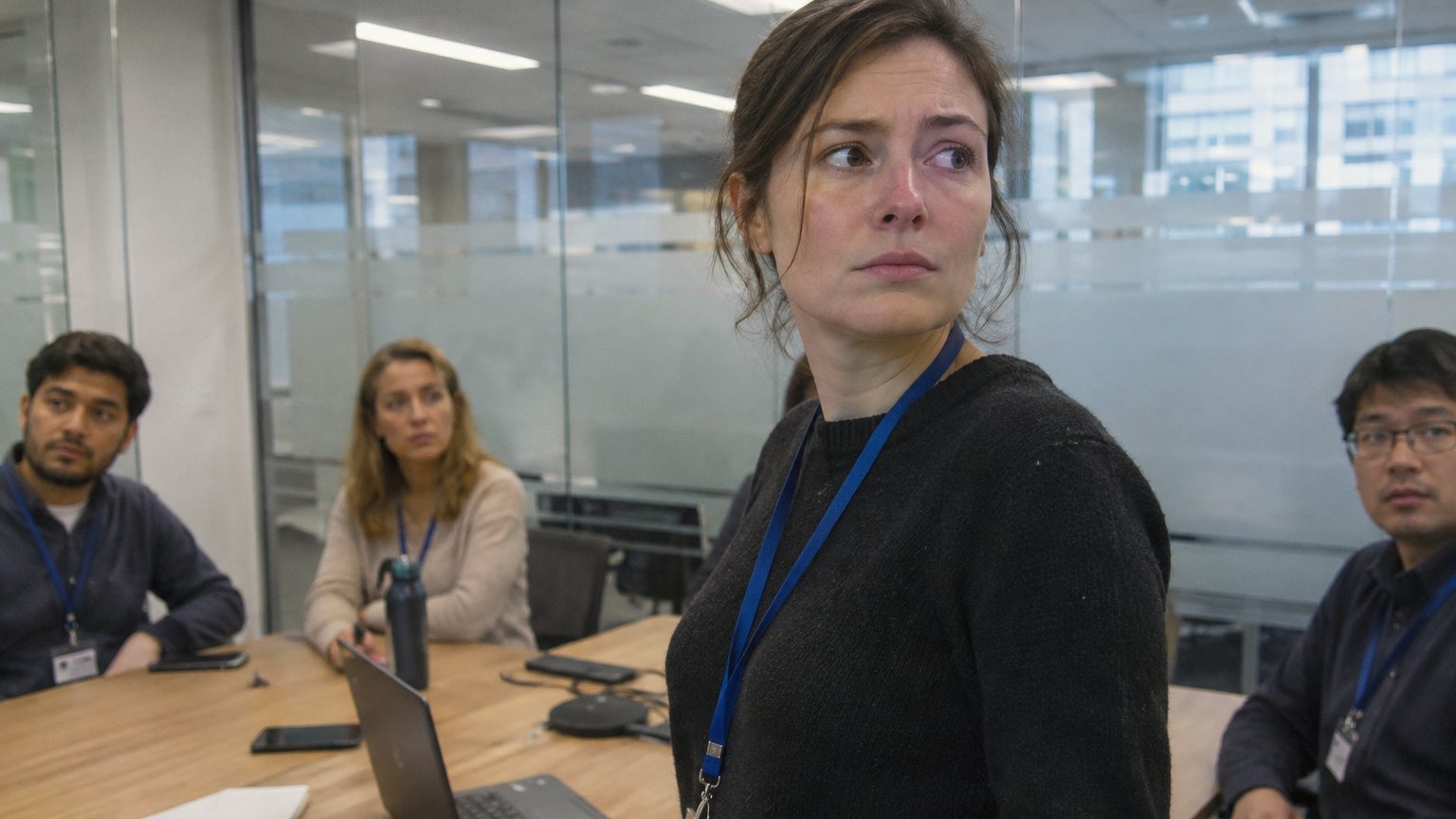
If your mind blanks, the word "captivating" can feel almost unfair. It turns a normal work moment into a performance test. You may know the update. You may have the slide. You may even have rehearsed the points. Then the room gets quiet, faces turn toward you, and the first sentence disappears.
That does not mean you lack ideas. It means the watched moment is doing its own work. Attention narrows. Your brain starts checking how you sound, how you look and whether people are judging you. The content has to compete with that. This is why advice like "just be yourself" can feel useless when the problem is not your personality. It is the first few seconds under attention.
The obvious goal is not the main one
When someone has a presentation coming up, the obvious goal is to nail that one event. That is a clean target. It has a date, a room and a result you can picture. But only 8% of the 1,648 nervous speakers in this cut picked that as their goal.
More people picked feeling calm before speaking, at 18%. Smaller groups picked building a practice habit, at 6%, or getting positive feedback from others, at 4%. Those are real goals, but they were not the largest answer. The missing answer is the important one, because it changes what a watched moment is.
What most people wanted instead
The largest group did not pick one upcoming talk. 1,046 of 1,648 people, or 64%, said their goal was becoming a confident communicator overall.
- Becoming a confident communicator overall64%
- Feel calm before speaking18%
- Nail an upcoming presentation8%
- Build a habit of practicing6%
- Get positive feedback from others4%
Share of 1,648 AmberWillo users who answered the success goal question, rounded to whole percentages.
That matters because it is broader than a single high-stakes presentation. It is not only about surviving next Thursday's update. It is about becoming the kind of person who can be watched, think clearly and keep talking across many rooms. Dartmouth's students were describing the listener's side of that standard. The AmberWillo answers show the speaker's side: most nervous speakers are aiming at a wider change than one flawless performance.
What this means for you
If your mind goes blank when people look at you, do not make the next presentation your only measure. A single talk is too narrow. Build a repeatable speaking moment instead.
Practice the first 30 seconds out loud. The blank usually hits when attention first lands on you.
Use one clear opening line. Make the first sentence automatic so you are not searching for it live.
Train being watched in small doses. Turn on a camera, or ask one person to listen, so attention becomes familiar.
Judge the rep, not your whole identity. One rough answer is data for the next round, not proof that you cannot speak.
Sources
- Dartmouth, “Seniors Discuss Possible 2027 Commencement Speakers”
- AmberWillo onboarding answers, success goal question, n = 1,648, anonymized and aggregated