Reddit's Day 3 post catches the meeting moment your mind blanks. One excuse barely appears
A Reddit user in r/PublicSpeaking wrote about starting before the perfect moment. In 1,850 AmberWillo answers, the delay pointed away from the usual excuse.
 By Maria Lee·
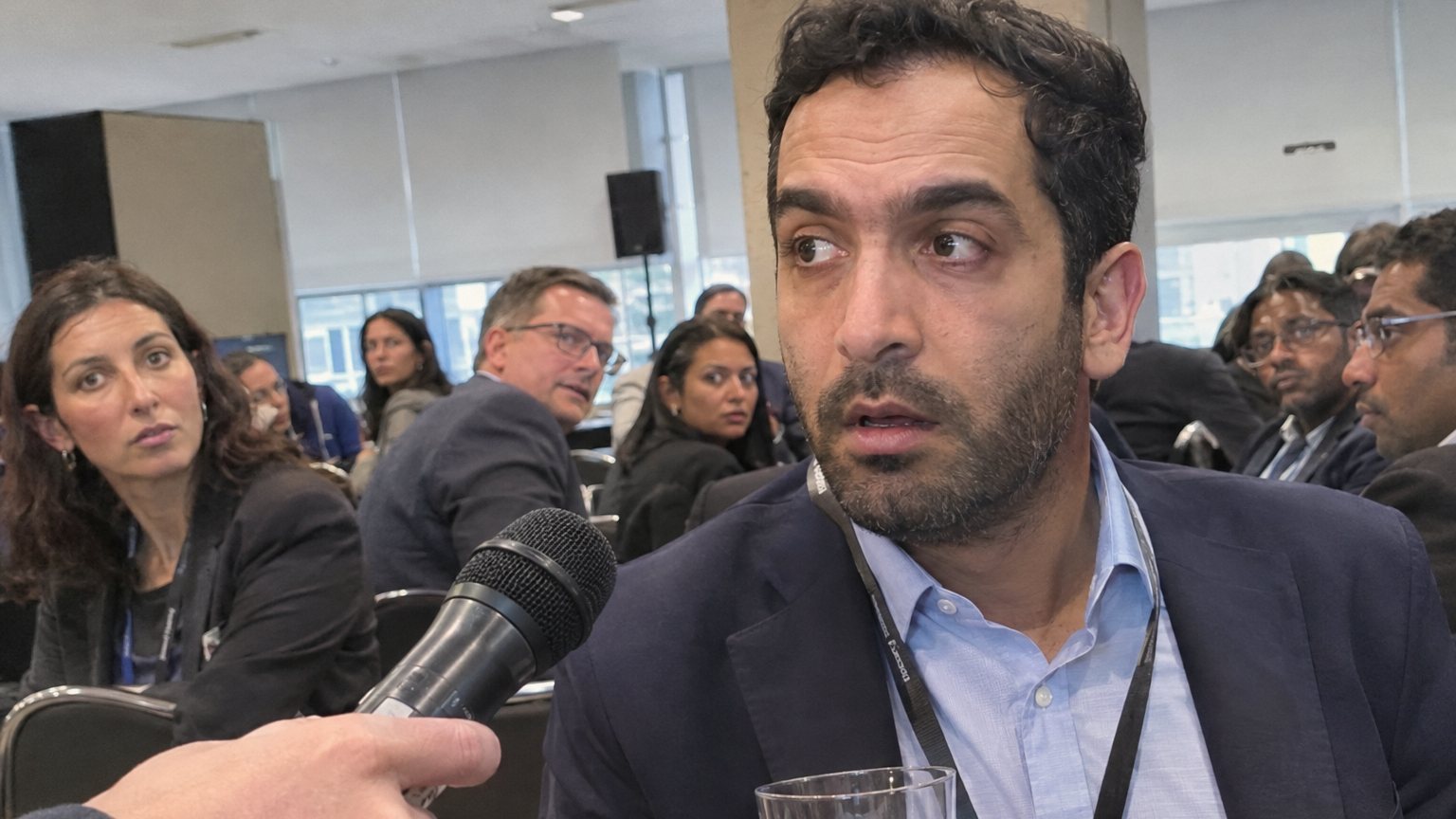
You know the bargain you make before a meeting. You will speak up once the thought sounds cleaner. You will practice after work, once you feel less awkward. You will record one answer when you finally sound ready. Then the meeting starts, someone turns to you, and the sentence that seemed simple in your head suddenly has no shape.
That is why a public post from a Reddit user in r/PublicSpeaking felt familiar. The post was framed as Day 3: Stop Waiting for the Perfect Moment, and it described the importance of starting now instead of waiting for the perfect moment. Reddit is not survey evidence. But it is a timely hook for a pattern in AmberWillo's own answers: among 1,850 nervous speakers who answered what gets in the way of practice, the obstacle list did not center on polish. One expected excuse barely appeared. We will get to it at the end.
- I don't know what to work on971people
- No one to give me feedback344people
- Practicing alone feels awkward287people
Top three answers among 1,850 AmberWillo onboarding respondents who answered what gets in the way of practicing. The two smallest answers are held for the reveal.
The waiting starts before the meeting
The largest answer was not dramatic. 971 people said they do not know what to work on. That matters because vague practice is easy to postpone. If you are not sure whether the problem is clarity, pace, freezing, filler words or sounding unsure, it is tempting to wait until the next real meeting tells you again.
That kind of waiting can feel responsible. You are not avoiding the problem, at least not in the way people usually describe avoidance. You are reading the agenda, thinking through your point and promising yourself you will be better prepared next time. But if the next step is unclear, preparation becomes a loop instead of a rep.
Another 344 people said they had no one to give them feedback. That also fits the professional version of the problem. Most people do not get useful feedback on ordinary speaking moments. A manager may know whether your update was clear, but not whether you rushed the first sentence or lost the thread after a question.
Why a Day 3 post hits a nerve
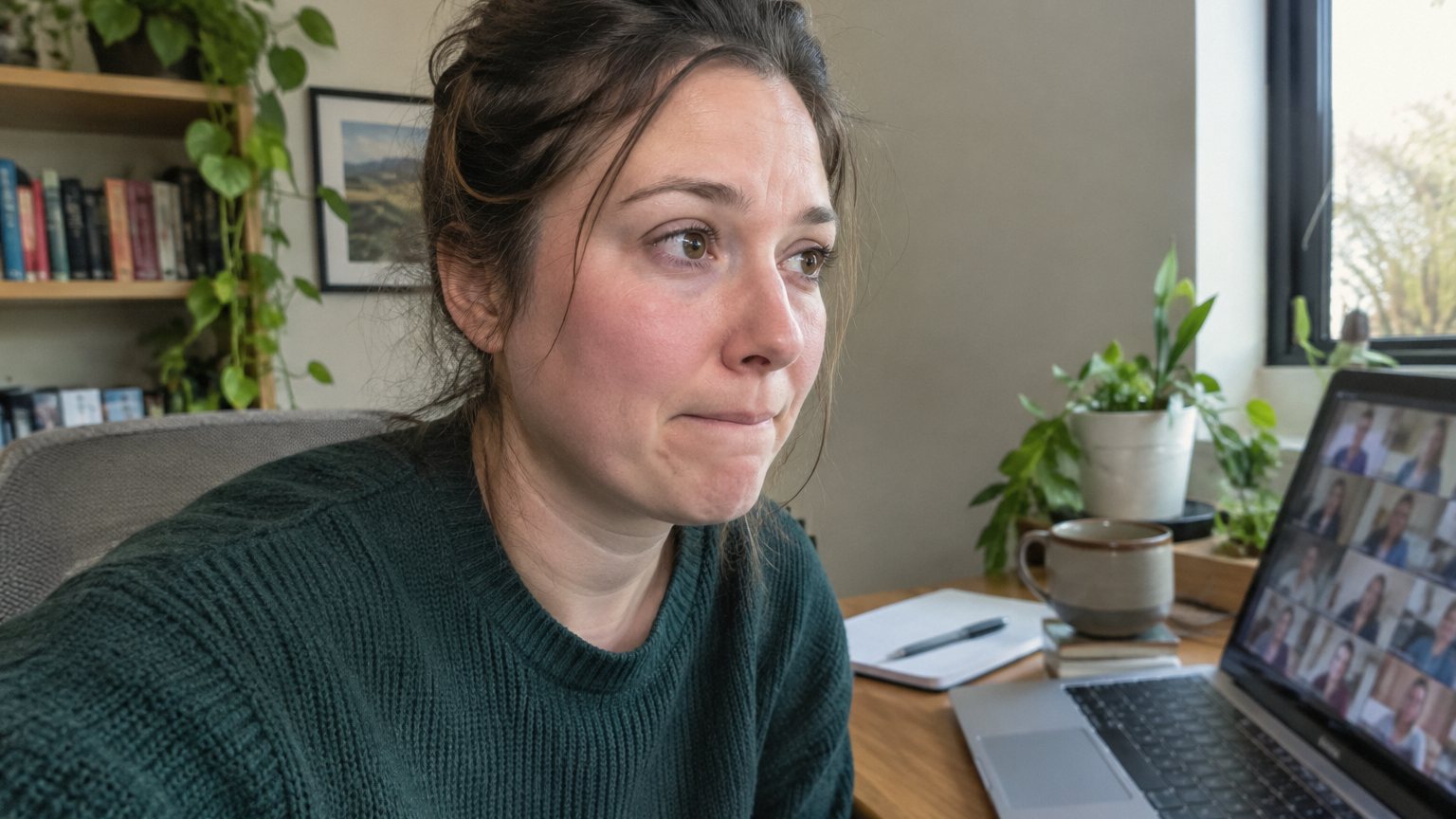
The Reddit post is useful because it is not presented as a polished finish line. It is a speaking journey in progress. That is the part many professionals avoid. They want the confident version of themselves to appear first, then practice. But speaking rarely works in that order. The first out-loud version is often uneven.
That private moment can feel oddly high-stakes. Nobody is judging you yet. No client is waiting. No interviewer is writing notes. Still, the second you turn on a camera or answer a question out loud, the task changes. Thinking a sentence and saying it under attention are not the same experience.
This is where the waiting becomes easy to misunderstand. From the outside, it may look like you are putting it off because you do not care enough. From the inside, it can feel more like you are protecting yourself from a version of your voice you do not want to hear. The room is empty, but the pressure is not.
That is where the third answer in the chart becomes important. 287 people said practicing alone feels awkward. Not presenting to executives. Not handling a surprise question. Practicing alone. The discomfort can start before anyone else enters the room. And that brings us back to the excuse we held back.
The excuse that barely appears
The held-back answer was lack of time. Only 119 people selected it out of 1,850 who answered the obstacle question. A nearby answer was also small: 129 people selected I forget to practice.
- I forget to practice129people
- Lack of time119people
Answers from the same 1,850-person obstacle question. Respondents selected one answer.
The obstacle list does not say people are lazy, and it does not prove why any one person delays. It simply records what this group selected. In these answers, people were more likely to name not knowing what to work on, not having feedback or feeling awkward alone than to name time as the blocker.
That is the useful tension in the Reddit post. Starting before the perfect moment sounds like a motivation problem. In this group, the smaller answer was time. The larger answers were about uncertainty, missing feedback and the strange feeling of hearing yourself practice before anyone has asked you to perform.
What this means for you
If you keep waiting to speak until you feel ready, treat readiness as the result of a small rep, not the requirement for one. You do not need a full rehearsal to begin. You need a start that is small enough to do before confidence arrives.
Make the first rep tiny. Say one answer out loud for 30 seconds, then stop.
Pick one target. Work on clarity, pace or staying with the question, not every habit at once.
Use a light watching cue. Turn the camera on, or ask one trusted person to listen.
End before you negotiate. A short rep you actually do beats the perfect practice session you keep postponing.
Sources
- Reddit post in r/PublicSpeaking, "Day 3: Stop Waiting for the Perfect Moment | My English Speaking Journey"
- AmberWillo onboarding obstacle answers, n = 1,850 (Dec. 8, 2025 to Oct. 8, 2026), anonymized and aggregated