Your mind goes blank mid-presentation. 64% ask for confidence; few ask what shows
Among 1,648 nervous speakers who named a goal, 64% chose becoming a confident communicator overall. The missing goal points to what they are not counting on.
 By Maria Lee·
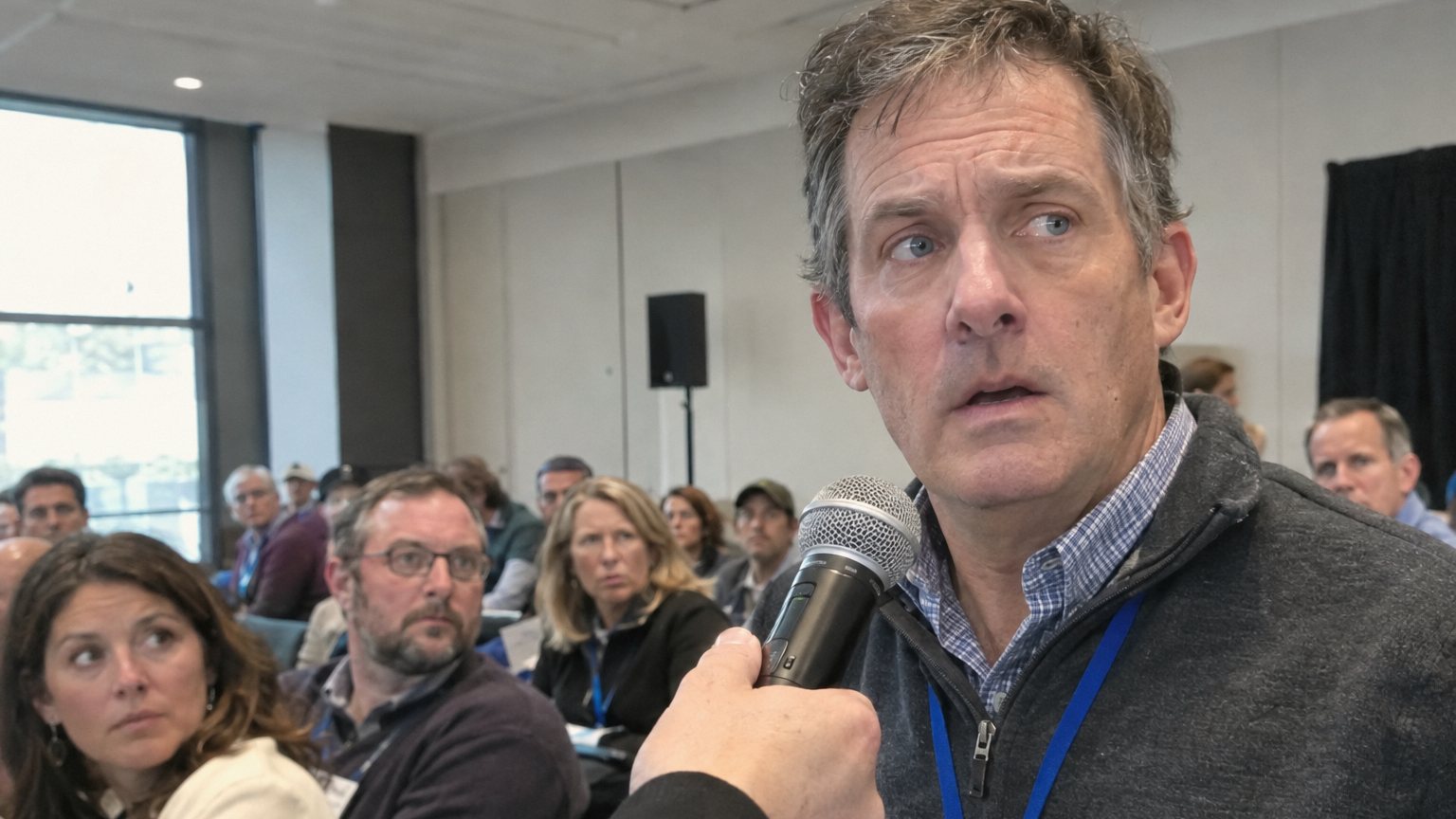
You know the moment. You are in a presentation, people turn toward you, and the sentence you planned feels suddenly far away. When AmberWillo asked 1,648 nervous speakers what success would look like, 64% chose becoming a confident communicator overall. Not just surviving one slide. Not just getting through one meeting. The largest group wanted the bigger feeling that they could speak without bracing for the blank.
But the goal almost nobody chose may be the more revealing part. It is an outside sign many professionals secretly wait for, even if they do not name it as the goal. We will get to that at the end. First, the data shows why the blank can make confidence feel like such a broad, distant target.
- Mind goes blank or forget what to say38%
- Speak too fast when nervous21%
- Don't sound confident18%
- Use too many filler words11%
- Sound monotone or flat9%
- Don't know what to do with hands or face3%
Share of 1,851 AmberWillo onboarding answers, Dec. 8, 2025 to Oct. 8, 2026. Respondents picked one biggest challenge.
The blank is not a niche problem
The top challenge in the sample was not sounding polished. It was not filler words. It was the mind going blank, chosen by 38% of nervous speakers. That matters because the blank feels different from a normal mistake. If you say "um," you can keep going. If your voice sounds flat, you can still finish the answer. When the words disappear, the room seems to stop with you.
- Work presentations39%
- Social situations20%
- Job interviews12%
- Other situations11%
- School or academic talks9%
- Video content5%
- Sales or pitches5%
Share of 1,850 people who answered the main speaking situation question. Only groups with at least 80 respondents are shown.
Work presentations are the largest setting in the data, at 39%. That is also the setting where confidence can feel hardest to define. In an interview, the goal is clear. Answer the question. In a pitch, the goal is also clear. Move the room toward a decision. In a meeting or presentation, the goal can be fuzzier: sound smart, stay calm, do not lose your place, do not look rattled, and somehow make it all seem natural.
That may be why so many people choose the broad goal. If your problem is one visible slip, such as filler words, you can imagine fixing that one thing. If your problem is that your mind empties when others look at you, the wish can become larger: become the kind of person who does not freeze in the first place.
Confidence is not one behavior
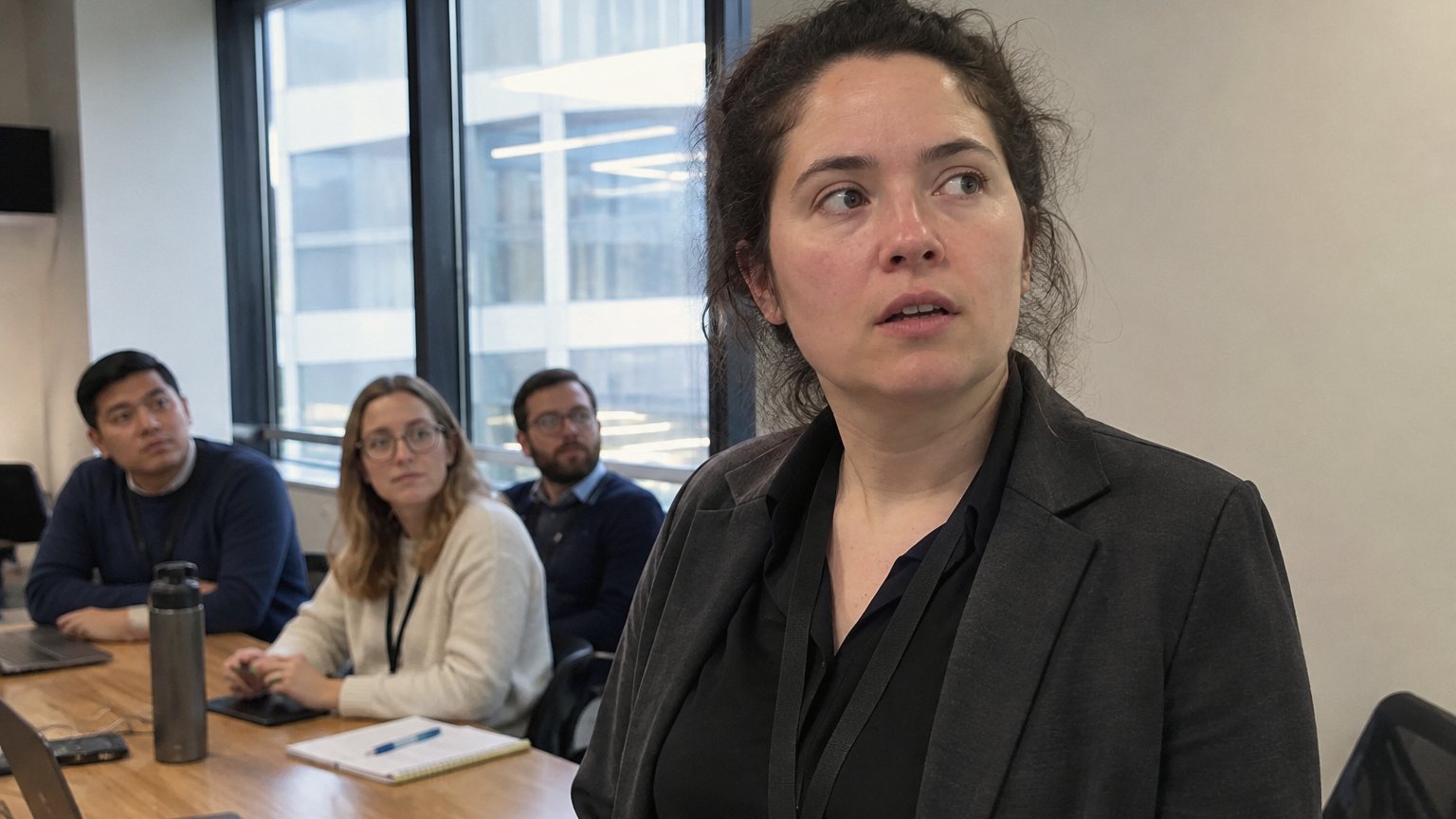
There is a practical problem hidden in the word confidence. It sounds like a trait, but in a presentation it is made of smaller moments. You start without apologizing. You explain one point cleanly. You pause without panicking. You recover when a question interrupts your flow. You finish without racing the last sentence just to get out of the spotlight.
None of those moments is dramatic on its own. Together, they create the impression people call confidence. But if your mind goes blank, you may not know which moment to work on first. That brings us back to the outside sign almost nobody named, even though many people may still be waiting for it.
The outside sign almost nobody chose
Only 71 people chose getting positive feedback from others as their definition of success. That is 4% of the 1,648 nervous speakers who answered the goal question.
The bigger goal was internal and broad. Most people wanted to become a confident communicator overall. The outside sign was the smallest named goal. In plain terms, very few people said success would be someone else telling them they did well.
That does not mean praise is useless. It also does not mean people never want it. The data only says that when forced to pick one success goal, the smallest group picked that outside sign. For people whose minds go blank, that is worth noticing because waiting for a reaction from the room can keep your attention on the room, not on the next sentence.
What this means for you
If your mind goes blank in presentations, you do not need to turn confidence into a personality project. Make it smaller. Pick one speaking moment you can repeat on purpose.
Practice the first 20 seconds out loud. The start is where the spotlight feels sharpest.
Use a recovery line before you need it. Try "Let me phrase that clearly" or "The short version is..." so a pause does not become a freeze.
Score the behavior, not the feeling. After a practice round, ask whether you started, paused and finished. Do not wait for the room to certify that you are confident.
Add attention gradually. Turn on the camera, then practice for one person, then bring the same first sentence into a real meeting.
Sources
- AmberWillo onboarding answers, n = 1,851 (Dec. 8, 2025 to Oct. 8, 2026), anonymized and aggregated; success goal answered by n = 1,648