How many desk workers hesitate to tell a manager they used AI
If AI helped with a work task or idea, the awkward part may be saying so in your own voice.
 By Maria Lee·
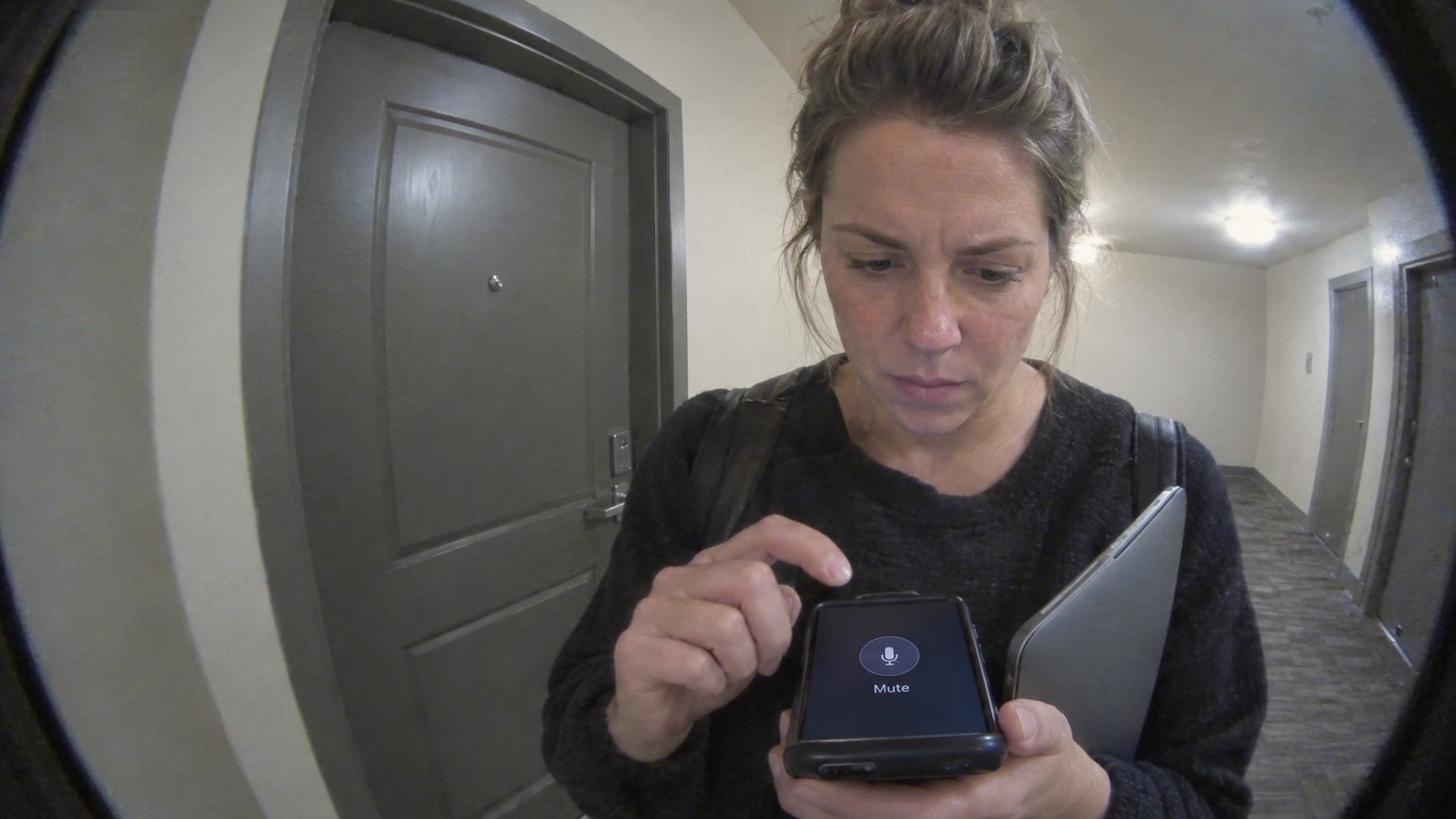
In 2024, 48% of desk workers would be uncomfortable admitting to managers they used AI for 1 common task. Slack reported the figure in its Fall 2024 Workforce Index, saying the benchmark covered at least 1 common workplace task. But the awkward part is often not opening the tool. It is finding the sentence that explains how the work got made.
For a worker walking into a status meeting, a performance review or a quick manager call, the risk can feel personal. The work may be finished. The recommendation may be useful. The hard part is saying, out loud, that AI helped.
The benchmark is desk workers, not every employee
Slack said the survey included 17,372 workers and was fielded between August 2 and August 30, 2024. Respondents were desk workers, defined as employed full-time, so the 48% figure is closest to screen-based office and knowledge work.
The measure is also specific. It covers discomfort about admitting AI use to a manager for at least 1 common workplace task. It does not measure whether the work was accurate, whether a company allowed AI use or whether the manager approved.
The lazy label can get into your voice
Slack named 3 top reasons for workers’ discomfort: feeling like using AI is cheating, fear of being seen as less competent and fear of being seen as lazy. Those are reputation worries, not software problems.
That can change the conversation itself. You may rush the line, soften it too much or over-explain a normal draft process. It is a familiar pattern in communication apprehension: the words are available, but expected judgment makes them harder to say plainly.

52% of AI users hesitate on their most important tasks
Microsoft’s 2024 Work Trend Index reported a close companion finding. Among respondents who use generative AI at work, 52% said they are reluctant to disclose they use it for their most important tasks.
Microsoft said its survey covered 31,000 full-time employed or self-employed knowledge workers across 31 markets. The field period ran from February 15, 2024 to March 28, 2024.
New users were still learning how to explain the habit
Microsoft also reported that 52% of survey respondents who use generative AI at work had used it for less than six months. For many workers, the tool arrived before the office script did.
Take a project lead in those first six months of using generative AI. AI may help turn rough notes into a cleaner update. The person still checks facts, changes the wording and owns the recommendation. The work can be solid while the disclosure sentence feels new.
Why does job worry raise the stakes?
Pew Research Center added U.S. worker context from a survey of 5,273 employed adults conducted Oct. 7-13, 2024. Pew reported that about half of workers, 52%, were worried about the future impact of AI use in the workplace.
Pew also found that 32% thought AI would lead to fewer job opportunities for them in the long run. That is broader than one manager conversation, but it helps explain why a short admission can feel tied to career risk.
Three benchmarks for the same awkward disclosure
These public numbers should not be averaged because they come from different surveys and samples. Read them as separate benchmarks around the same work moment: saying whether AI helped when a manager, an important task or job security is involved.
| Source | Who was asked | Period | Finding |
|---|---|---|---|
| Slack Fall 2024 Workforce Index | 17,372 desk workers | August 2 to August 30, 2024 | 48% would be uncomfortable admitting to their manager that they used AI for at least 1 common workplace task |
| Microsoft 2024 Work Trend Index | 31,000 full-time employed or self-employed knowledge workers across 31 markets | February 15 to March 28, 2024 | 52% of respondents who use generative AI at work are reluctant to disclose they use it for their most important tasks |
| Pew Research Center | 5,273 employed U.S. adults | Oct. 7-13, 2024 | 52% are worried about the future impact of AI use in the workplace, and 32% think it will lead to fewer job opportunities for them |
Workplace AI hesitation benchmarks from public surveys
For a worker preparing to talk with a manager, Slack’s 48% figure is the closest comparison. Microsoft’s 52% reluctance figure sharpens the pressure around important work. Pew’s 52% worry figure shows the broader anxiety around AI at work.
What this means for you
If you used AI on a work task and feel awkward saying so, you are not outside the norm. Slack’s 48% figure puts that discomfort close to half of desk workers. The worry may be less about the tool than about how the sentence will land.
Before the conversation, write one plain line: AI helped draft the outline, and I checked the facts and rewrote the recommendation. Say it out loud before the meeting. Keep it specific enough to show ownership without turning a simple disclosure into an apology.
Sources