Workers who hate pay talks: how normal is it to rarely negotiate?
The raise number is in your notes, but the hard part is saying it clearly. Here is the benchmark for workers who avoid the ask.
 By Maria Lee·
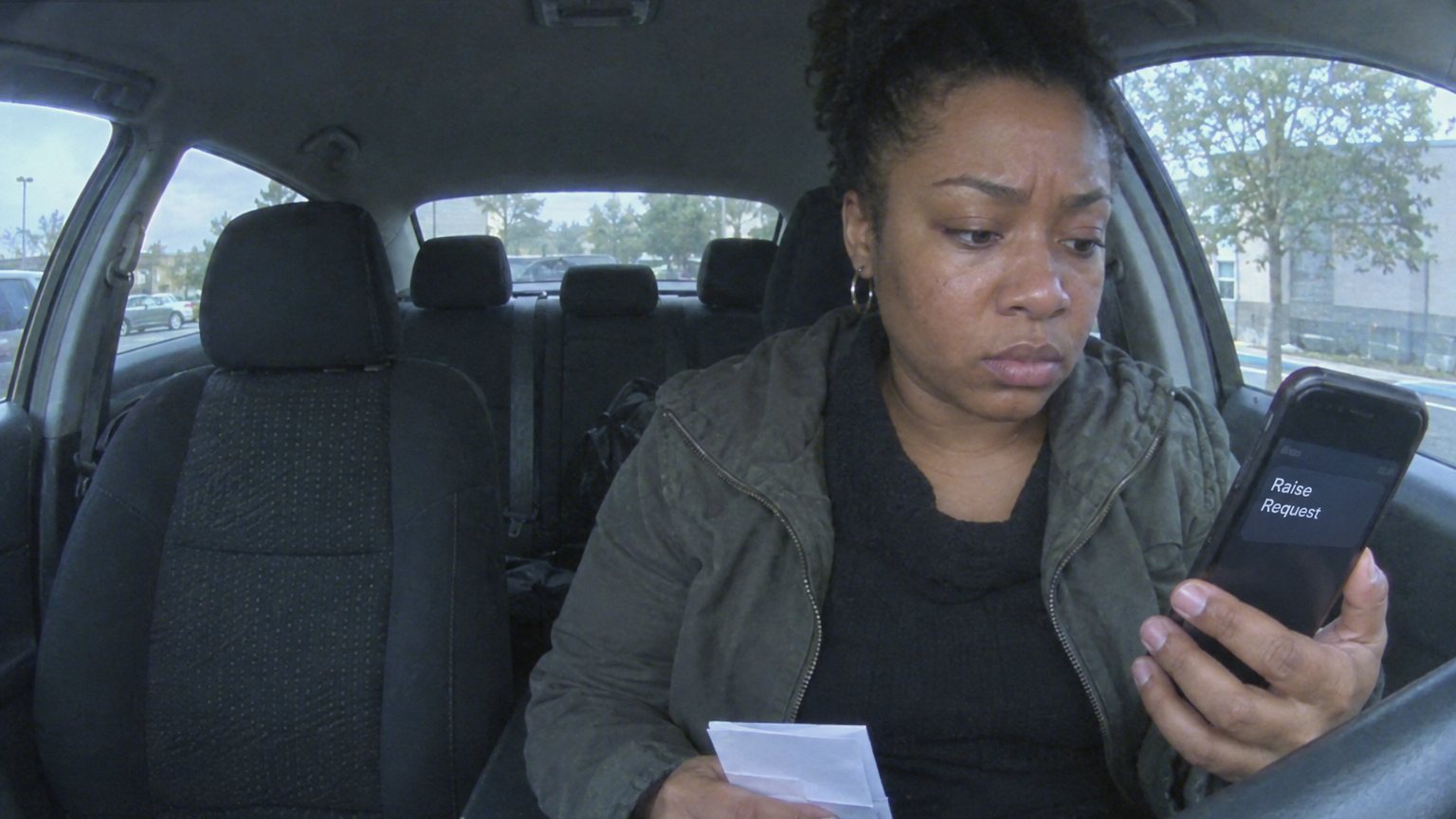
Workers in 2021 were more likely than not to avoid the ask: 58% said they never or rarely negotiate pay, while 2026 weekly medians were $1,235 overall, $1,098 for women and $1,362 for men.
Indeed reported the negotiation figure in a pay-transparency article, and the U.S. Bureau of Labor Statistics reported the earnings figures for full-time wage and salary workers in the first quarter of 2026. But a year-end review or offer call still turns on one small moment: you have to say the number out loud.
58% rarely negotiate before the pay talk
Rare negotiation is a majority behavior, not a personal oddity. The BLS earnings context is broad: its first-quarter 2026 estimates covered the nation’s 121.0 million full-time wage and salary workers.
The BLS said earnings data came from one-fourth of the Current Population Survey total sample of approximately 60,000 households. Those figures do not measure who asked for more. They show the pay levels sitting behind many reviews, offer calls and raise conversations.
The ask has to become a sentence
A pay talk is often treated like a spreadsheet problem, but the decisive part is spoken. You may have the range, the offer or the raise target written down. Then your voice has to ask. For people who feel communication apprehension, the hard part can be the first clear sentence.
Take a full-time worker near the BLS overall median. The number in the conversation is $1,235 a week, not an abstract wish. For a woman at the median, the comparable figure is $1,098; for a man, $1,362. Pay data becomes a work conversation when you have to say what you want.
The reasons split into fairness, skill and risk
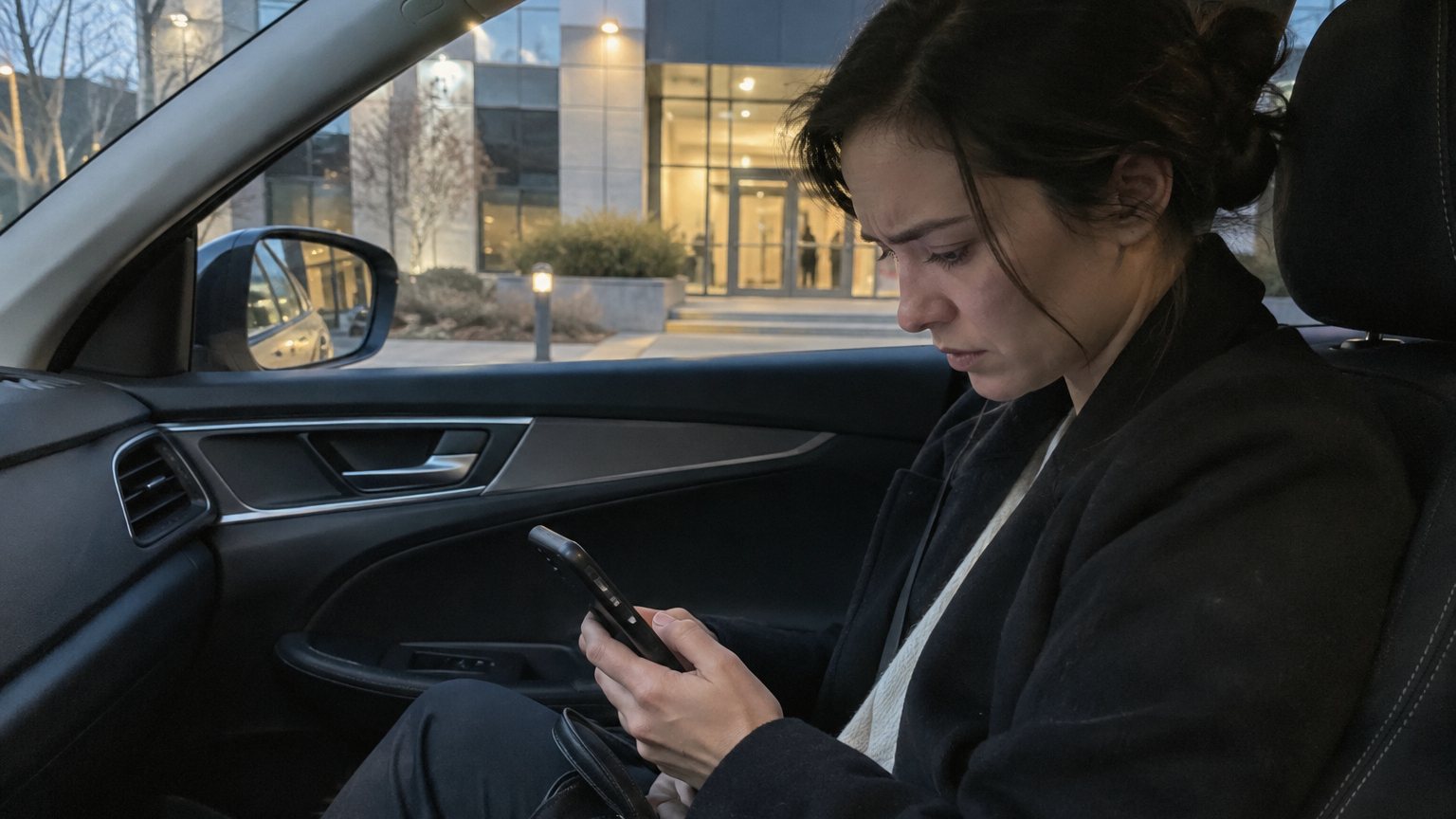
Indeed said workers gave several reasons for not negotiating salary. 27% felt the offer was fair, 21% did not know how to negotiate, and 19% worried the employer would retract the offer.
Those are three different situations. One worker may accept the number because it seems reasonable. Another may freeze because there is no script. A third may hear the pause after the ask as danger. Each path can end with the same result: no negotiation.
41% of women report negotiation discomfort
Indeed also reported a large gender split in discomfort. 41% of women said salary negotiations make them very or somewhat uncomfortable, compared with 21% of men. That figure is about the feeling before or during the request, not the size of any raise.
The BLS pay figures are separate, but they sit close to the same work moment. In the first quarter of 2026, women working full time had median usual weekly earnings of $1,098, while men had $1,362.
Who sees the weekly earnings gap?
The BLS figures below are medians for full-time wage and salary workers in the first quarter of 2026. They do not measure negotiation. They give the weekly pay benchmark for the groups reported in the public release.
| Sex and age group | Median usual weekly earnings |
|---|---|
| Total, 16 years and over | $1,235 |
| Men, 16 years and over | $1,362 |
| Women, 16 years and over | $1,098 |
Median usual weekly earnings of full-time wage and salary workers, first quarter 2026
This is the pay backdrop for the 58% who said they never or rarely negotiate. The table does not say what any one worker should ask for. It gives the weekly numbers around which many raise talks, offer calls and reviews are happening.
What this means for you
If you rarely negotiate, the data says you are normal. It does not say you are stuck. Before the review, write one sentence that includes the number, then practice saying that sentence out loud until it sounds ordinary enough to finish.
Keep the ask simple: state the role, the result and the number. If you fear the offer being pulled, prepare a calmer fallback line, such as asking whether there is room to discuss compensation. The goal is not to sound fearless. It is to stay in the conversation long enough to ask.
Sources