Still shaky after AI interview practice? Compare your answers with this score
You rehearsed answers, fixed a few lines and still do not feel confident. The useful check is whether the answer itself is moving.
 By Maria Lee·
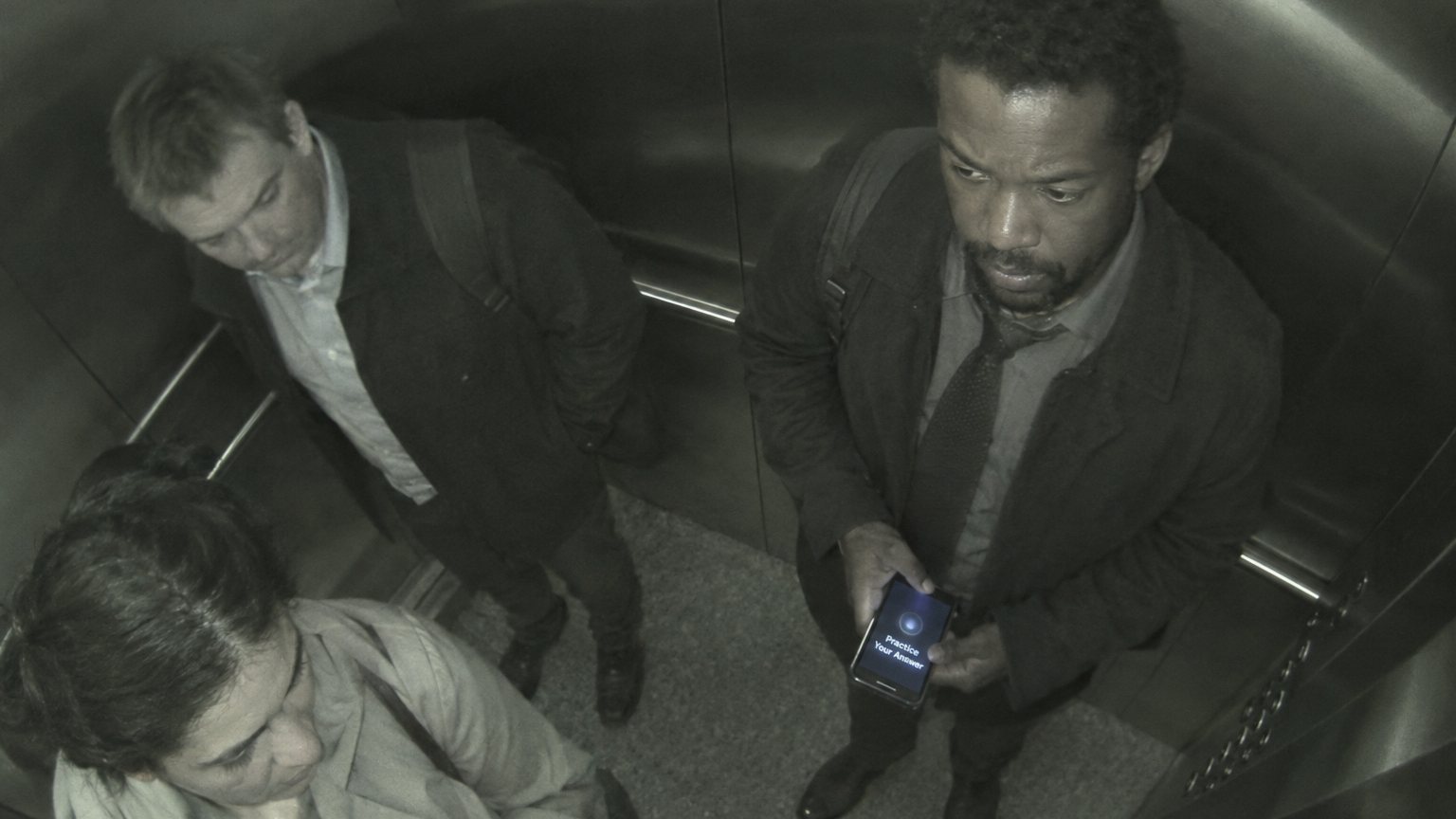
AI-supported job seekers averaged 60.17 out of 100 in 2026 after starting at 49.92, while peers reached 55.73. Devdiscourse reported the finding on Oct. 27, 2026, in a story about career training for education-sector applicants. But if your interview voice still feels shaky, the useful part is the split between a rated answer and your private sense of confidence.
The research involved 186 people seeking education-sector jobs in Guangdong, China. They were final-year students and graduates within 2 years of finishing their studies. Post-program data were available for 168 participants, about 90% of the original sample when rounded.
The AI-supported group crossed 60 out of 100
The headline benchmark is 60.17 out of 100 for the AI-supported program after training. The conventional-guidance group also improved, from 51.97 to 55.73 out of 100. Both groups started near the same range, then ended in different places.
- AI-supported program60.17score out of 100
- Conventional guidance55.73score out of 100
Devdiscourse reported starting averages of 49.92 for the AI-supported program and 51.97 for conventional guidance.
The starting scores matter for comparison. The AI-supported group began at 49.92, while conventional guidance began at 51.97. A candidate using the result as a benchmark should compare both the starting point and the after-training score, not only the final number.
For a nervous candidate, the comparison is not perfection. It is whether your practiced answer is moving closer to a judged score above 60, even when your body still feels ready for the hardest question in the room.
Better answers can arrive before your voice feels calm
Devdiscourse said participants answered questions about career confidence, perceived fit with jobs, motivation to search for work and confidence using AI for career preparation. Those measures sat beside the overall rating. They were not the same as the answer score.
In an interview, that difference can show up in the conversation. You may have a stronger example, a cleaner opening and a clearer final sentence, while still hearing nerves in your voice. If you are trying to figure out how to get a job with social anxiety, the report’s separation of ratings and confidence is the useful part.
The report’s confidence items also covered more than one feeling. Career confidence, job fit, search motivation and AI-preparation confidence can move differently. You might be motivated to apply, unsure about fit and awkward using AI in the same interview week.
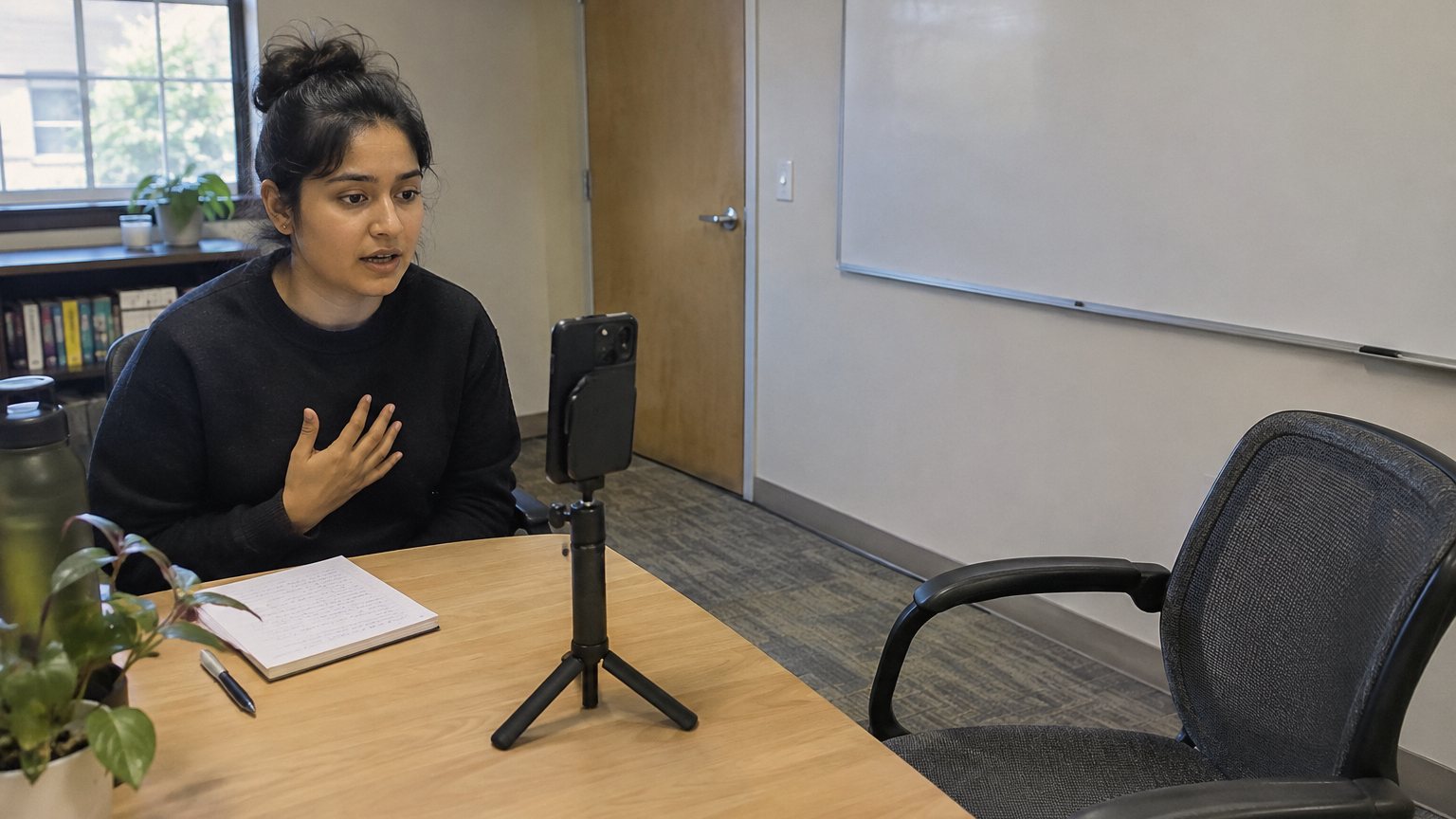
Eight weekly 90-minute sessions made rehearsal concrete
The training was not a single chatbot run the night before an interview. Devdiscourse described 8 weekly sessions of 90 minutes. The participants were organized in 12 training groups across 3 institutions.
Take an applicant preparing for an education-sector interview. In one 90-minute session, they might test an answer, revise the order and say it again. Across 8 weekly meetings, the setup gave repeated chances to rebuild how answers sounded before the next rated task.
That rhythm changes what “AI practice” means. A rushed prompt can polish a sentence. A repeated 8-week program can make the candidate hear the same answer more than once, compare versions and keep the stronger structure for the next conversation.
Why should you be careful with the comparison?
Devdiscourse reported that assignment depended on scheduling and room availability rather than random selection. That caveat belongs next to the 60.17 score. It is a benchmark from this program, not a guarantee for every candidate using AI practice.
The sample also narrowed the lens. It covered education-sector job seekers in Guangdong, China, including final-year students and graduates within 2 years of finishing their studies. The post-program group was 168 people, not all 186 originally involved.
An applicant outside the education sector should not treat 60.17 as the exact target for a corporate hiring panel. A new graduate seeking an education-sector role is closer to the reported sample, especially if the preparation is structured over several weeks.
Every reported score for the two training paths
The table gives the full score breakdown available in the public Devdiscourse report. It covers the AI-supported program and conventional guidance, with before-and-after averages reported on the same 100-point scale.
| Training path | Average before | Average after | Scale |
|---|---|---|---|
| AI-supported program | 49.92 | 60.17 | Out of 100 |
| Conventional guidance | 51.97 | 55.73 | Out of 100 |
Average overall ratings reported by Devdiscourse
What this means for you
If you still feel nervous after AI interview practice, do not use confidence as your only scoreboard. Compare the answer itself. Does it respond to the question, give a specific example and end cleanly? The benchmark to keep in mind is 60.17 out of 100 after AI-supported training.
Before your next interview, rehearse the same answer more than once. Say the rough version, tighten the example, then repeat it without stopping after a mistake. Your goal is not to feel fearless. Your goal is to make the answer easier to rate well while confidence catches up.
Sources