Dreading a wedding toast? 1 in 5 nervous speakers say social moments are hardest. What to practice first
Toasts, dates and group dinners came second only to work presentations. Most people rehearse the words, but the pressure peaks somewhere else.
 By Maria Lee·
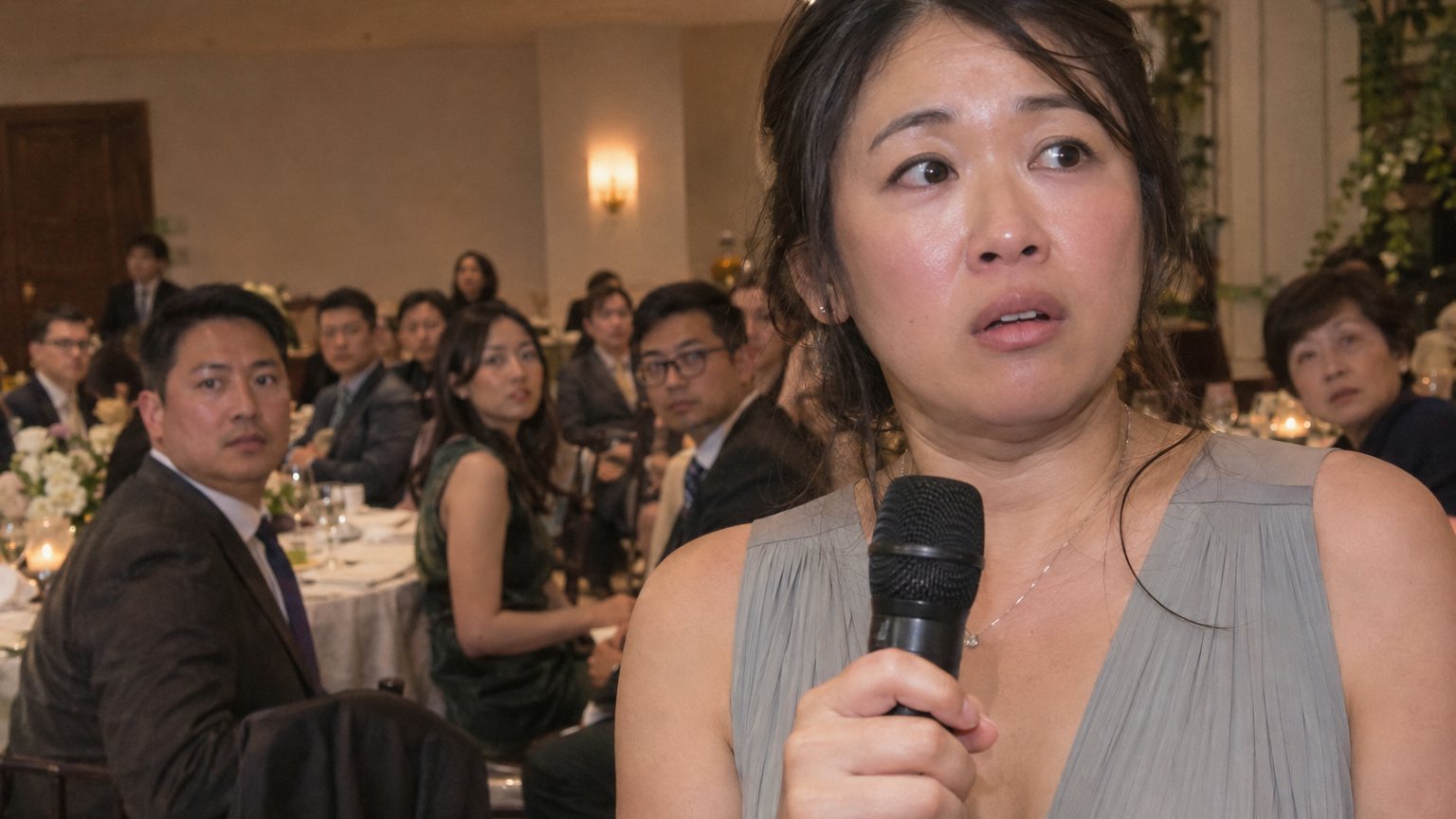
You know the moment. A wedding toast drifts your way, a date asks you to tell a story, or a group dinner goes quiet and waits for you. Your head felt full a second earlier. Then people look over, and the words seem to fall out of reach. In AmberWillo onboarding answers, 376 of 1,850 nervous speakers picked social situations as the place they most struggle with speaking.
That makes social situations the second-largest setting in the data, behind work presentations. Among people who picked social situations, 37% named going blank or forgetting what to say as their biggest challenge. But those 376 answers only tell us where the pressure shows up. They do not settle what people are really trying to get back. That answer comes later.
- Work presentations39%
- Social situations20%
- Job interviews12%
- Other situations11%
- School or academic9%
- Video content5%
- Sales or pitches5%
Share of 1,850 AmberWillo onboarding answers with a main speaking situation selected, Dec. 2025 to Oct. 2026. Percentages are rounded.
Social speaking is harder to script
A work presentation can be rehearsed. A job interview has likely questions. A class talk usually has a topic and a time limit. Social speaking is looser. Someone can ask for a toast, a story, a quick update, or a reaction without warning. That open shape is part of what makes it feel slippery.
The data does not separate weddings from dates or group dinners. It groups them as social situations. Still, the pattern is familiar: the pressure is not only to speak. It is to sound natural while people are watching, without looking like you rehearsed every word in advance.
- Job interviews46%
- School or academic40%
- Work presentations39%
- Sales or pitches38%
- Social situations37%
- Video content23%
Share who picked going blank or forgetting what to say as their single biggest challenge, by main situation. Only groups with at least 80 people are shown.
Why the pause feels bigger in a room of friends
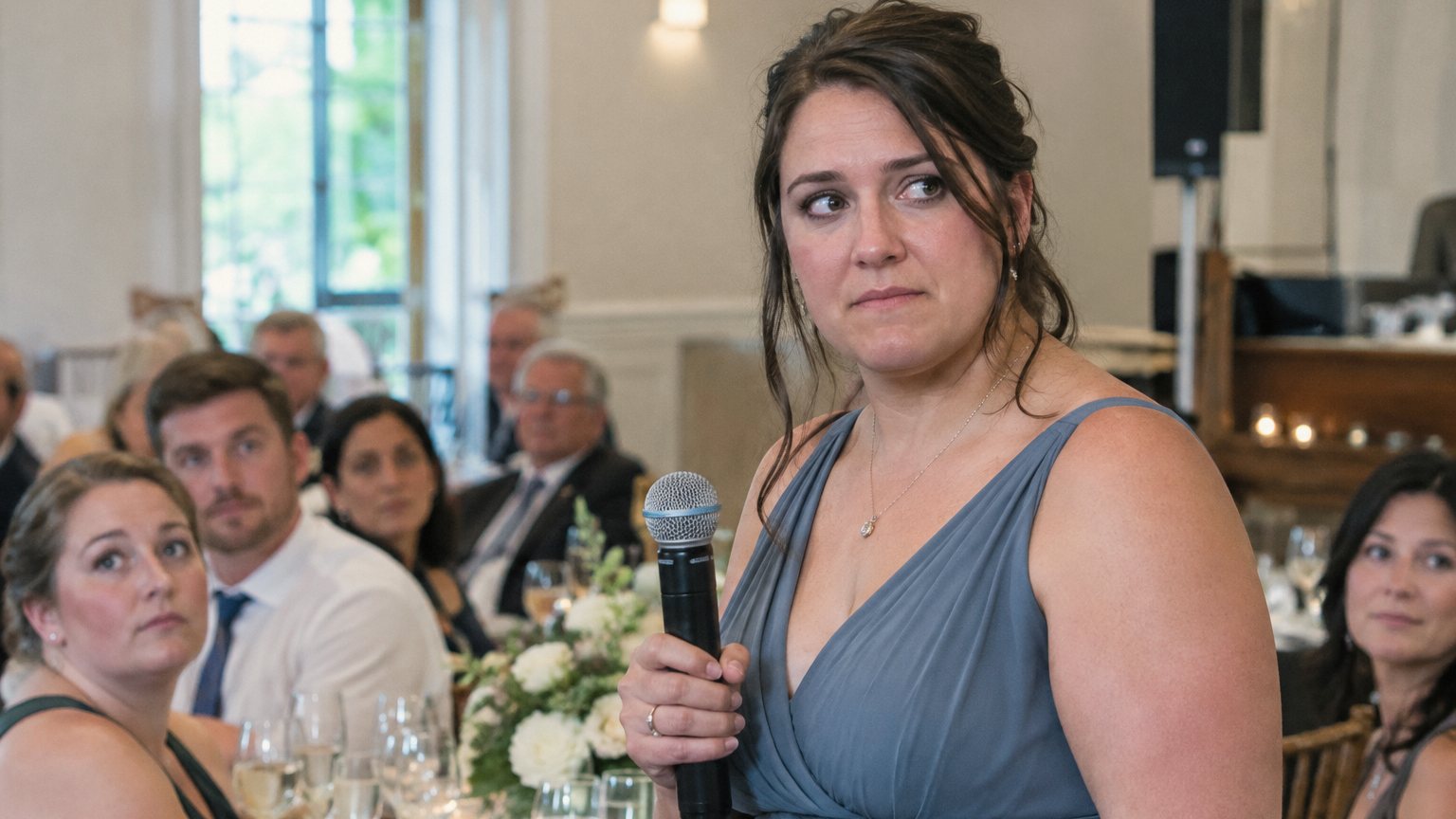
A social pause can feel more exposed than a formal one. In a meeting, silence can pass as thinking. In a toast or group story, silence can feel like the room is deciding what it means. That is why people often try to cover the blank by laughing, rushing, or dropping the point completely.
The same pressure shows up in the practice-obstacle answers. Across 1,850 nervous speakers who answered that question, 53% said the thing getting in the way was not knowing what to work on. Only 6% chose lack of time. Many people are not simply too busy. They do not have a clear target for the next attempt.
That matters for social speaking because vague advice tends to fall apart in the exact moment you need it. Be yourself is not a plan when a microphone is handed over. Just relax is not a plan when five faces turn toward you. The data can show the setting and the challenge, but the more revealing clue is what people choose as the outcome they want.
The answer those first 376 responses do not settle
Among 1,648 nervous speakers who answered the success-goal question, 288 people picked feel calm before speaking. That is 18%, far below the 64% who picked becoming a confident communicator overall.
- Become a confident communicator overall64%
- Feel calm before speaking18%
- Nail an upcoming presentation9%
- Build a habit of practicing6%
- Get positive feedback from others4%
Share of 1,648 AmberWillo onboarding answers with a success goal selected, Dec. 2025 to Oct. 2026. Percentages are rounded.
That does not prove what people in social situations want more than anyone else, because the success-goal answers are not broken out by setting here. It does show a useful split in the overall nervous-speaker sample. Many people name confidence as the big destination. Fewer name the state they want right before they speak. For a toast, date, or group story, that before-moment is often the whole problem.
What this means for you
If your head empties when a social moment turns toward you, do not build your plan around perfect wording. Build it around the moment before the first words. That is where the pressure spikes, and it is the part most easy to skip when you only rehearse silently.
Practice the first sentence out loud. Choose a simple opening, then keep going even if it sounds rough.
Use real social prompts. Try a short toast, a quick story from this week, or a simple answer to what have you been up to.
Do not wait until it feels natural. Social speaking often feels unnatural in practice first. That does not make it useless.
Track one score, not your whole personality. A score gives you something specific to improve when your memory of the moment is blurry.
Sources
- AmberWillo onboarding answers, n = 1,851 (Dec. 2025 to Oct. 2026), anonymized and aggregated