How common it is to worry that your voice gives away your nerves
When you open your mouth in a meeting, interview or presentation and hear nerves in your own voice, you are not in a small corner of speaking anxiety.
 By Maria Lee·

By Oct. 8, 2026, nearly six in ten nervous speakers picked an audible challenge, led by 21% rushing and 18% confidence. Those shares come from 1,851 AmberWillo onboarding answers from people working on speaking nerves between Dec. 8, 2025 and Oct. 8, 2026. But the worry is split across several sounds, so it can feel more personal than common.
For someone facing a meeting, interview or presentation, the fear is often not only going silent. It is opening your mouth and hearing the problem before the room has time to react: pace, confidence, filler words or a flat sound.
Speaking too fast leads the audible worries at 21%
The largest audible group was speaking too fast when nervous, chosen by 385 of 1,851 people, or 21%. Not sounding confident followed with 335 people, or 18%. Each person picked one biggest challenge, so these answers do not overlap.
Filler words accounted for 197 people, or 11%. A monotone or flat voice accounted for 175 people, or 9%. Together with rushing and not sounding confident, those answers make sound the center of the worry for most people in this group.
What people hear before your point lands
A pause can feel exposed, but a rushed answer, a flat tone or repeated fillers arrive immediately. If you have searched for social anxiety voice change, this is the work version of that fear: your words may be ready while your sound feels less steady.
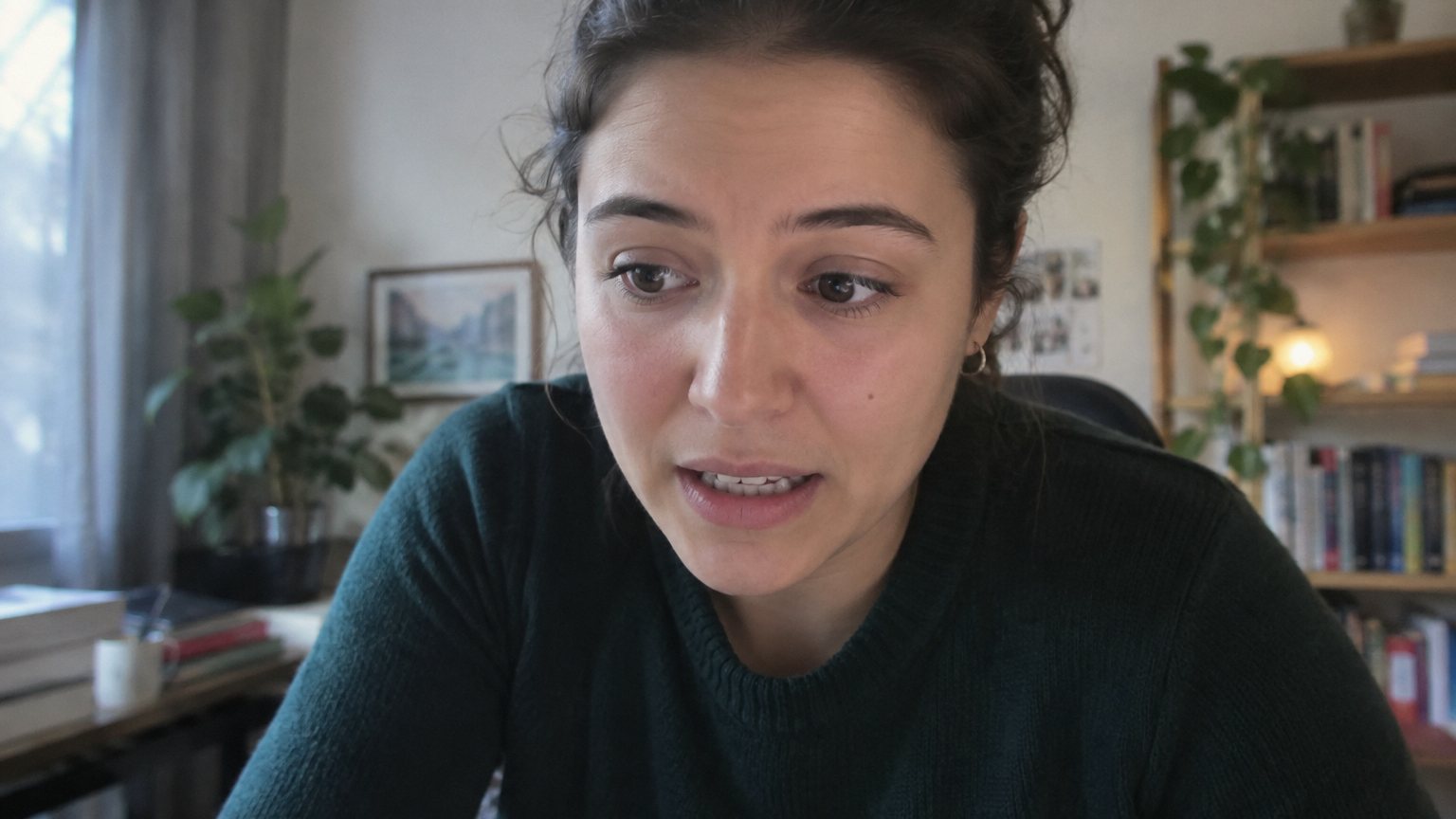
The onboarding answers did not ask whether a voice shook, cracked or rose at the end of a sentence. Respondents chose from speaking challenges, and the audible choices were pace, confidence, fillers and monotone sound. Voice nerves can take more forms than this answer list captured.
Work presentations are the most common pressure point
The same onboarding answers asked where speaking pressure shows up most. Work presentations were named by 712 of 1,850 people, or 39%. Social situations were named by 376 people, or 20%, and job interviews by 213 people, or 12%.
The records do not split every audible worry by every situation. The setting still explains the stakes. A fast interview answer can sound less prepared than it is. A flat meeting update can hide a good idea. A filler-heavy toast can feel longer than its actual length.
Do practice scores change quickly?
Aggregate practice records add a second view. Across 9,190 practice sessions by 885 people, the median confidence score was 6.4 out of 10 in a user's first session, 6.7 by session 3 and 6.8 by session 10.
Take someone who records 10 practice rounds before a presentation. If that person's scores follow the median path, confidence moves from 6.4 to 6.8 out of 10. Median clarity moves from 6.5 in session 1 to 7.0 in session 10.
Past beginners still report speaking nerves
Skill labels add another boundary around the finding. In the same 1,851 onboarding answers, 876 people, or 47%, called themselves beginners. Another 871, or 47%, chose intermediate, and 104, or 6%, chose advanced.
Those labels do not say which skill group picked which voice problem. They do show that the group worrying about speaking was not made up only of first-timers. Nearly the same number called themselves intermediate as beginner.
Every audible worry people picked
The audible worries were single-choice answers, so each person appears in one row. Someone who worries about both speed and fillers had to choose which problem felt biggest when they signed up.
| Voice or sound problem | People | Share of all nervous speakers |
|---|---|---|
| Speaks too fast when nervous | 385 | 21% |
| Doesn't sound confident | 335 | 18% |
| Uses too many filler words | 197 | 11% |
| Sounds monotone or flat | 175 | 9% |
Voice or sound problems picked as the single biggest speaking challenge among 1,851 nervous speakers.
The table also explains why the worry can be hard to name. Rushing, sounding unsure, saying "um" and sounding flat are separate habits. In a live conversation, they all reach the listener before your full point does.
What this means for you
If you worry that your voice gives away your nerves, you are in the majority among people working on speaking anxiety. The useful target is not to sound perfect. It is to make the first audible signs of nerves less controlling.
If you rush, practice the first sentence with a pause after it.
If you do not sound confident, record one answer and listen for clarity, not charm.
If fillers bother you, replace one "um" with a quiet pause.
If you sound flat, mark the word that carries the point and let your voice lift there.
Sources
- AmberWillo onboarding answers, n = 1,851 (Dec. 2025 to Oct. 2026), anonymized and aggregated
- AmberWillo practice sessions and user experience aggregates, 9,190 sessions by 885 users, pulled Oct. 8, 2026