This is how many Gen Z workers feel pressure not to say they do not know
A manager asks for an answer and your honest reply is “I don’t know.” In the AI era, that small sentence can feel like a confidence test.
 By Maria Lee·
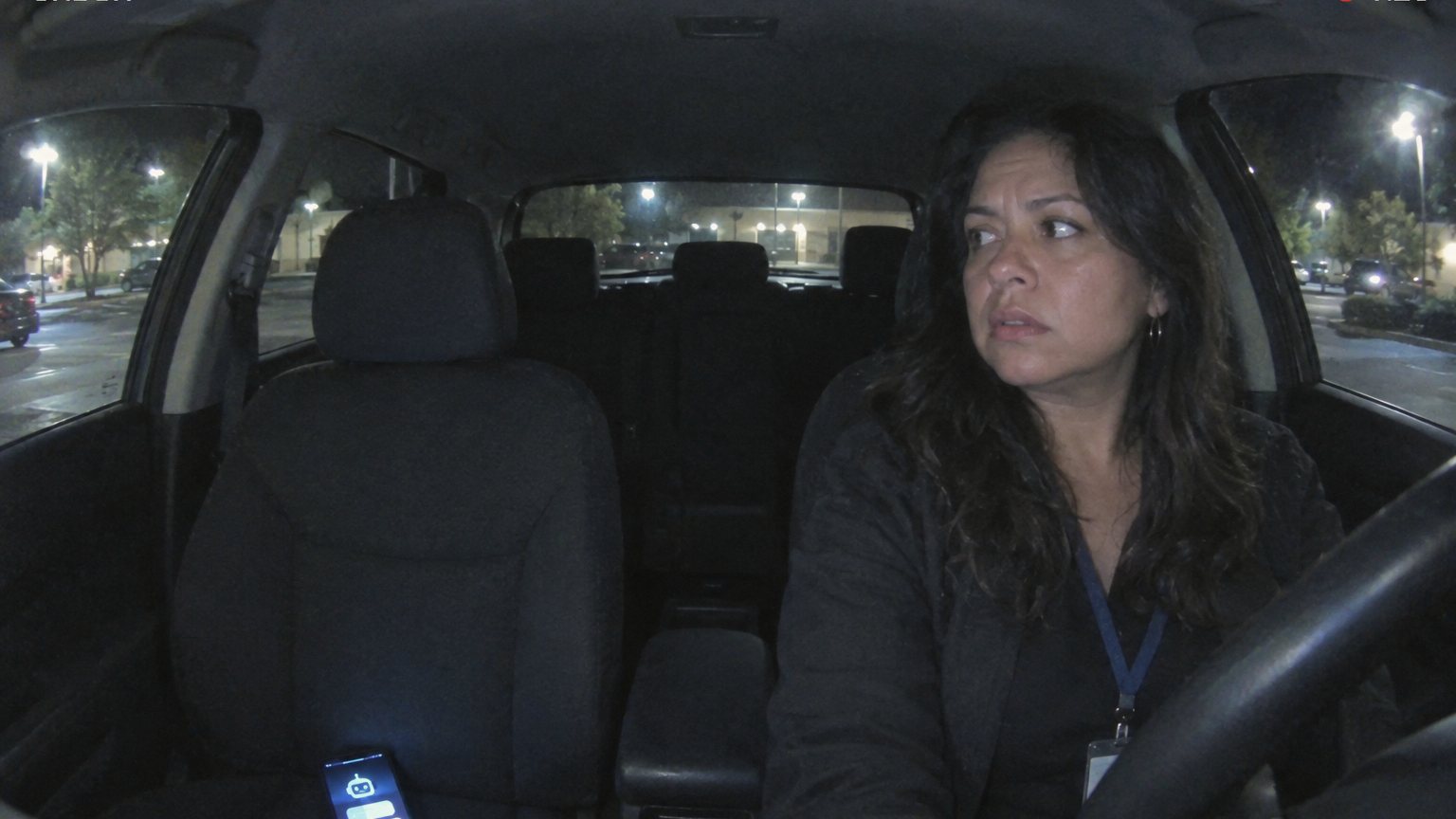
Gen Z employees were at 71% for feeling this pressure in 2026, compared with 44% of employees 45 and older. TechRadar reported the finding from a Use.AI survey. But the nervous part is the live moment: a manager asks, the room waits, and your voice has to carry uncertainty without sounding unprepared.
More than half of employees call the sentence risky
The pressure reaches beyond the youngest workers. TechRadar reported that 56% of employees feel that saying “I don’t know” is a risk since the arrival of AI. That makes the sentence a broad workplace issue, even though the Gen Z figure is higher.
The reported benchmarks give a meeting-room scale for a feeling many people keep private. Gen Z employees were at 71%. Employees overall were at 56%. Employees 45 and older were at 44%. The numbers describe pressure around one short answer, not a full performance review.
A pause in the meeting has to become a sentence
TechRadar’s reported wording centers on saying “I don’t know,” not simply lacking an answer. That difference matters when you are speaking in front of a manager, client or team. The risk feeling is attached to words you have to say out loud.
You may know the honest answer is safest and still worry about how it will sound. People working through common public speaking challenges often face the same practical task: sounding clear before they feel fully confident.

The survey covered 10,417 working adults
TechRadar said 10,417 working adults were surveyed, with people based in the UK, US, Canada, Australia, the EU and Latin America. For US readers, the article did not present the result as a US-only finding.
That limit keeps the number from becoming too precise for your own workplace. TechRadar did not state fieldwork dates or detailed methodology in the cited article. The public figures are broad employee benchmarks: 71%, 56% and 44%.
Why can a short answer feel risky?
The TechRadar report ties the pressure to the arrival of AI. It does not say that every employee is expected to know every answer. It reports a feeling around saying “I don’t know” at work since AI became part of the background.
Picture a Gen Z analyst in a meeting. A manager asks about a number the analyst has not checked yet. The honest answer is “I don’t know.” Under the reported Gen Z benchmark of 71%, that answer may feel like a risk before any follow-up is spoken.
For an older employee, the reported pressure is lower but still substantial. TechRadar put employees 45 and older at 44%. That means the feeling is not confined to early careers, even though the youngest group reported it more often.
Every reported benchmark around the answer
The public article gave percentage benchmarks for pressure around saying “I don’t know” since the arrival of AI, plus the total number of working adults surveyed. It did not publish a US-only cut, a role-by-role cut or fieldwork dates.
| Group or benchmark | Reported figure |
|---|---|
| Gen Z employees who admitted experiencing this pressure | 71% |
| All employees who feel saying “I don’t know” is a risk | 56% |
| Employees 45 and older who admitted experiencing this pressure | 44% |
| Working adults included in the survey TechRadar cited | 10,417 |
Reported pressure around saying “I don’t know” since the arrival of AI
For a younger worker, the 71% number can make the reaction feel less private. For a manager, the 56% figure is a warning that silence may be about perceived risk. The 44% figure keeps the issue from belonging only to one age group.
What this means for you
If you are put on the spot, use a complete answer instead of a bare confession: “I don’t know yet, but I can check and come back.” It keeps the honest answer, then adds a next step the room can understand.
If you manage people, ask the follow-up that lowers the risk feeling: “What would you need to find out?” The goal is not to sound all-knowing. It is to sound clear while the answer is still being found.
Sources