In meetings, one age group avoids conflict by staying silent much more often
A tense meeting can turn one sentence into a choice: speak, soften it, or let the silence pass.
 By Maria Lee·
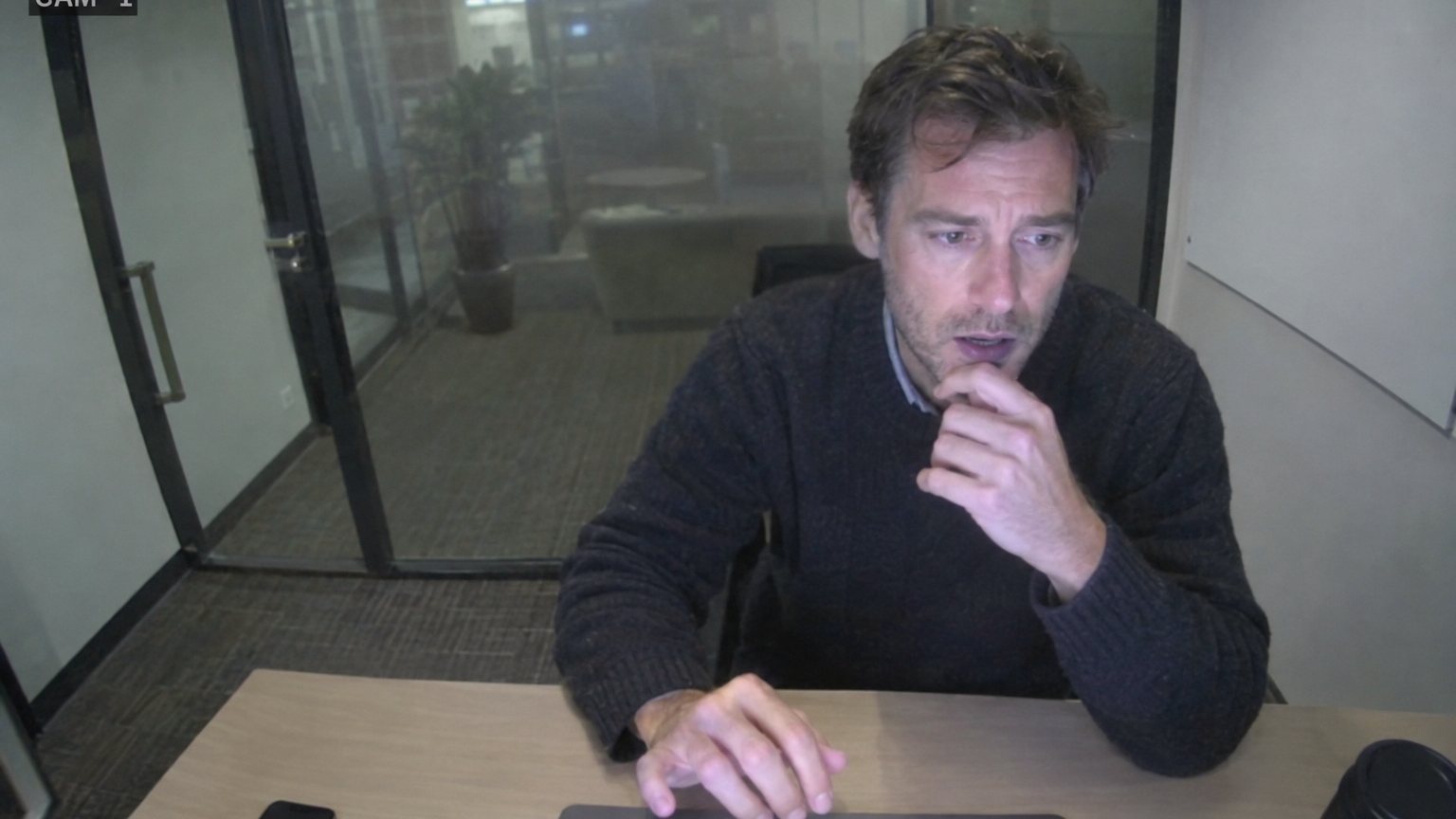
Over-55 employees hit 48% for conflict-avoidance silence in 2026, compared with 25% among younger adult workers. Careerminds UK reported the meeting figures on July 14, 2026. But the uncomfortable part is the direction of the split: the quieter group was not the youngest employees, it was the oldest group named in the release.
That changes the usual office story. Younger workers are often described as hesitant, new or unsure. In this benchmark, the bigger conflict-avoidance number belongs to workers with more years behind them, in the exact room where experience is supposed to make speaking easier.
At 48%, over-55 workers led the silence benchmark
Careerminds UK described the older group as having a different weak spot: almost half of over-55s, rounded here to 48%, said they stayed silent in a meeting to avoid conflict. The same release gave the younger comparison group as 25%.
Take a 10-person meeting made up only of workers over 55. At the reported rate, about 5 people would have stayed silent to avoid conflict. In a 10-person group of younger adult workers, the comparable count would be about 3, using the same rounded rates.
When the room tightens, the voice carries the disagreement
The speaking side is easy to picture. You have a sentence ready, then a manager pushes back, a colleague frowns or the room gets quiet. For readers working on public speaking apprehension, the hard part is often not the idea. It is getting the voice to carry the idea at the moment it could create friction.
AmberWillo onboarding answers add one workplace cut to that picture. From Dec. 8, 2025 to Oct. 8, 2026, 712 people picked work presentations as their main pressure situation. Among them, 39% said freezing or forgetting what to say was their biggest challenge.

Three seconds is the pause line in a classic study
A much older conversation study gives the silence a clock. Human Communication Research published a 1982 study of 30-minute conversations between pairs of strangers, with N=90. The researchers scored conversational lapses as interactive silences of 3 or more seconds after a recognizable completion point.
That study was not about office meetings, and it was not about age groups. Its useful detail is narrower: conversation analysts did not count every tiny pause as a lapse. The threshold was 3 seconds, long enough for many speakers to wonder whether they said the wrong thing.
Why would experience not erase the silence?
Careerminds UK gives the stated reason for the silence: avoiding conflict. It does not say older workers had fewer ideas, less knowledge or weaker arguments. The reported behavior is staying quiet in a meeting when conflict is the thing being avoided.
The age difference is still sharp. The over-55 rate rounds to 48%. The younger adult rate is 25%. So the older group was nearly twice as likely to report that conflict-avoidance silence, even though the classic stereotype often points in the other direction.
The age split behind the silence
The public breakdown named two age groups. Both were answering about the same behavior: staying silent in a meeting to avoid conflict. The larger number belongs to over-55s.
| Age group | Reported share |
|---|---|
| Over 55 | 48% |
| Younger adult workers named in the release | 25% |
Share who stayed silent in a meeting to avoid conflict
The table uses whole percentages. It keeps the same comparison as the Careerminds UK release: older employees at nearly half, and the younger adult comparison group at one quarter.
What this means for you
If you are older and stay quiet to keep the peace, you are not alone in this benchmark. If you are younger and assume senior people always feel confident speaking up, the 48% figure says many do not.
Before a tense meeting, write one sentence that states your point without attacking anyone. If a pause follows, count it calmly. A 3-second silence can feel like rejection, but in conversation research it was simply the line where analysts started counting a lapse.
Sources
- Careerminds UK, employee meeting behavior release, July 14, 2026
- Human Communication Research, conversational lapse study, 1982
- AmberWillo anonymized onboarding answers, Dec. 8, 2025 to Oct. 8, 2026