Small talk used to be endured. How much more are Americans Googling lessons?
One normal opener can feel hard before a holiday party, client dinner or conference reception. Search data now puts that preparation habit on a public scale.
 By Maria Lee·
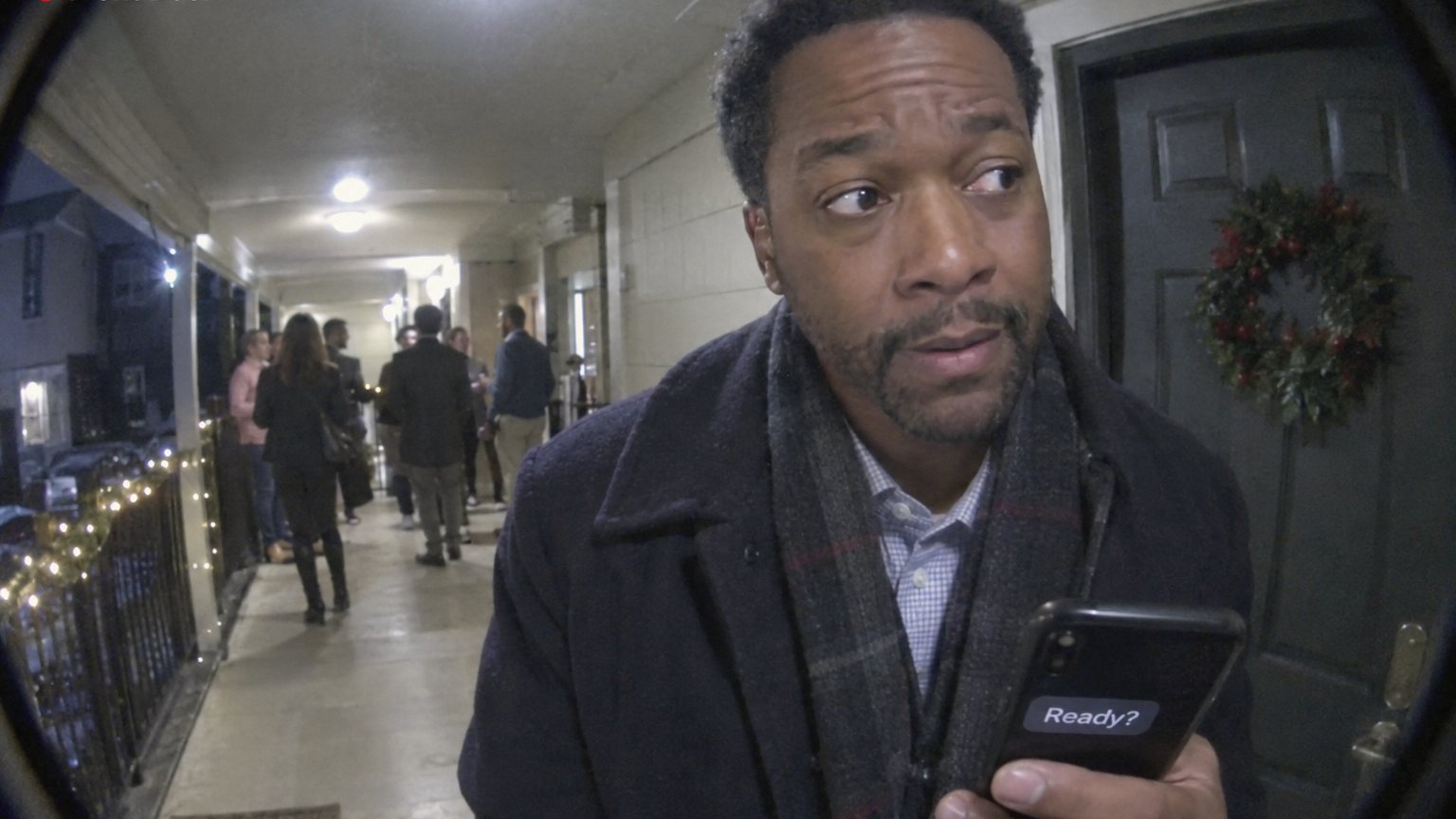
The name tags are already out. Two people near the bar have found each other. Someone from another team turns toward you, and your mind starts hunting for one normal first line. According to Google Trends / Google Ads data pulled through DataForSEO, U.S. Google searches for "how to make small talk" in the last 12 weeks were 62% higher than in the same 12 weeks a year earlier.
That year-over-year jump gives the awkward pre-party feeling a public signal. Small talk is becoming something people search for before they stand in the room, not only something they survive once they are there. The larger question is how far that preparation habit has moved since the early part of the 5-year search window.
- Week of September 21143% of average week
- Week of December 2146% of average week
Google Trends / Google Ads analysis via DataForSEO found the query peaked on average in the week of September 21 at 143% of the topic's average week, and was lowest in the week of December 21 at 46%.
Search interest peaks before the busiest rooms
The seasonal pattern lands before many social and work rooms fill up. Over the past five years, the query peaked on average in the week of September 21 at 143% of the topic's average week. Its lowest average point was the week of December 21, at 46%.
Search data cannot identify the exact event behind each query. One searcher may be headed to a conference reception. Another may be going to a client dinner, a team offsite or a holiday party. The timing still fits the stretch when casual conversations start carrying career weight again. A short exchange can affect whether someone sees you as warm, competent or easy to talk to.
The first line has to come out in your own voice
The wording of the source query matters. People searched for "how to make small talk", a practical how-to phrase. In the room, that turns into speaking. You ask a question, answer one back, and try to sound relaxed enough that the conversation keeps going. If you tend to replay those moments afterward, guidance on how to stop overthinking social interactions can be useful, but the live moment still begins with a sentence said out loud.

The Google data does not show which advice people clicked after searching. Some may want safer questions. Some may want a way out of awkward silence. Some may be preparing for a work event where the first few minutes decide whether a useful conversation continues. The narrow phrase is the useful clue: the search is about making conversation happen, not reading about conversation in the abstract.
So how much more are Americans Googling small-talk lessons?
The longer comparison is the sharpest finding in the pull. U.S. Google searches for "how to make small talk" are 219% higher than five years ago, measured as the last 12 weeks compared with the first 26 weeks of 2021-2022, according to the Google Trends / Google Ads analysis via DataForSEO.
- Last 12 weeks vs same 12 weeks a year earlier62% higher
- Last 12 weeks vs first 26 weeks of 2021-2022219% higher
U.S. Google Trends / Google Ads analysis via DataForSEO, pulled Oct. 21, 2026.
Search data does not prove Americans have become worse at conversation. It cannot tell whether a person is anxious, ambitious, newly back in person or simply trying not to waste a networking chance. It does say the how-to query is far above its early 5-year baseline. For many searchers, small talk now starts before the room does.
What this means for you
If you search for small-talk help before an event, you are preparing for a real speaking moment. The stakes may be quiet, but they are still stakes: comfort, trust, a useful contact, a smoother client dinner or a better first impression.
Prepare one opening question, not ten. Too many options can make you hesitate. Pick one that fits the room.
Give your answer a second sentence. If someone asks what you do, do not stop at your job title. Add what kind of problem you work on.
Listen for the next handle. A place, project, trip, deadline or shared person can become the next question.
Say it out loud once. Small talk happens through your voice. A sentence that looks fine can sound stiff until you hear yourself say it.
Sources