The opening interview question is not just practice. How soon are you judged?
Question 1 can feel like warm-up while you are still settling in. The uncomfortable part is how much of that first answer may already count.
 By Maria Lee·
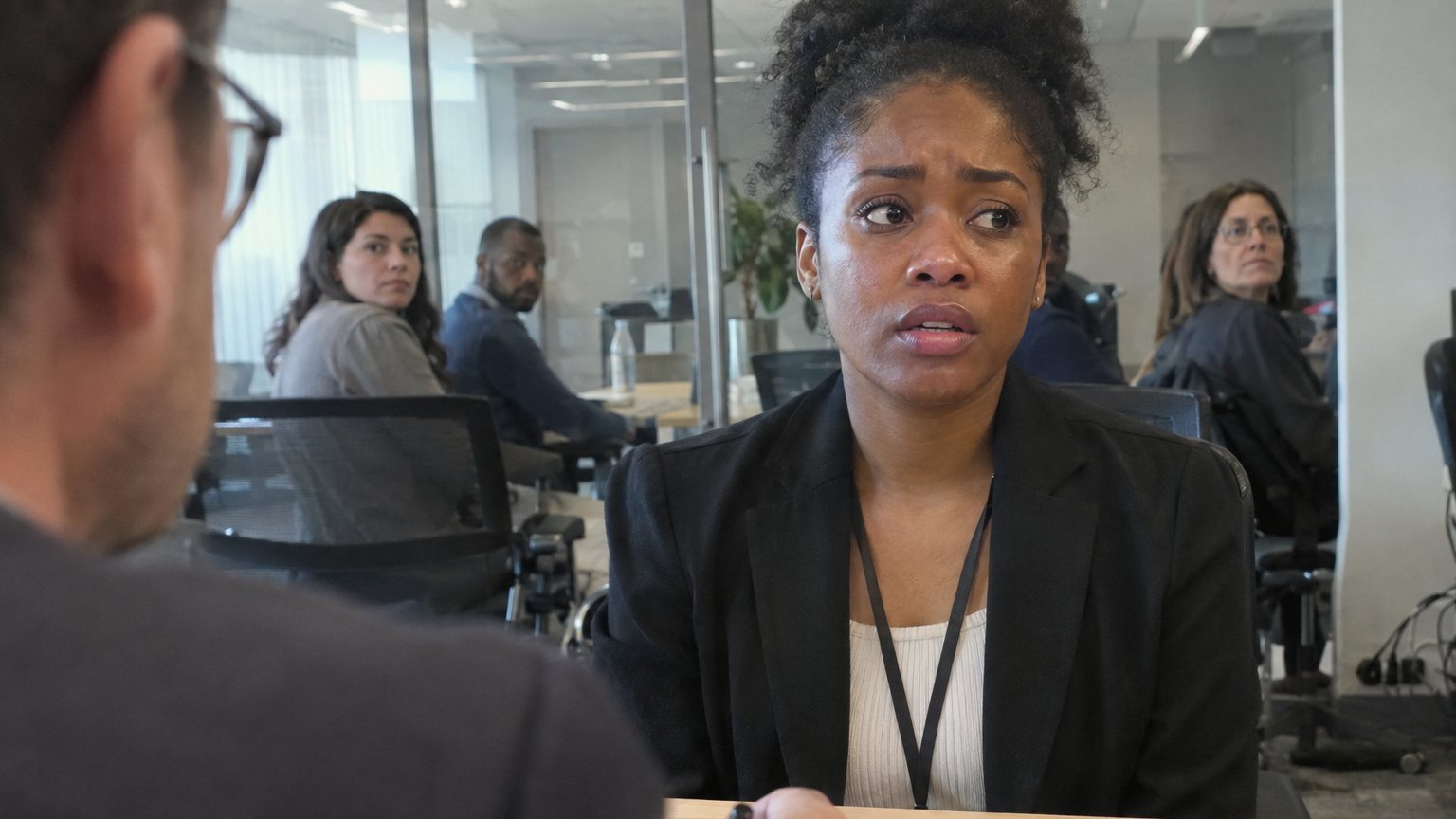
You know the opening interview question. “Tell me about yourself.” “Walk me through your background.” “What made you apply?” It sounds like the easy part, but it often arrives before you feel settled. Your camera has just turned on, the interviewer is looking down at your resume, and you are trying to sound natural while your brain is still catching up.
That first answer can feel like practice for the real interview. CareerBuilder’s employer survey of 1,014 hiring and human resource managers makes the question sharper: how soon are you actually being judged? We will get to the clock at the end. First, why the opening question carries more weight than candidates often give it.
- Hiring and human resource managers1014managers
- Private sector managers888managers
CareerBuilder said the online U.S. survey included 1,014 hiring and human resource managers, including 888 in the private sector.
Why the opener feels easier than it is
Most people prepare for the obvious hard questions. Salary expectations. Weaknesses. Conflict. A project that failed. The opening answer gets less respect because it feels familiar. You already know your own background, so it seems like something you can explain once the interview starts.
Then the call begins, or the conference room door closes, and the familiar answer becomes oddly difficult. You are not only remembering facts. You are trying to sound concise, confident, interested and easy to follow while someone evaluates whether this conversation should move forward.
That is why the opening question is not just a polite runway. It is the first live sample of how you think out loud. It tells the interviewer whether you can make your experience make sense without wandering through every job you have ever had.
The risk is a pattern, not one awkward sentence
One clumsy sentence rarely ruins an interview. People restart thoughts all the time. The bigger risk is the pattern that forms before you settle in: a long answer with no clear point, a voice that speeds up, a list of job titles without a through line, or a nervous laugh after every sentence.
The interviewer may not label that as nerves. They may hear something more damaging: unclear fit. Nervousness is human. Unclear fit is the problem a hiring manager is trying to solve.
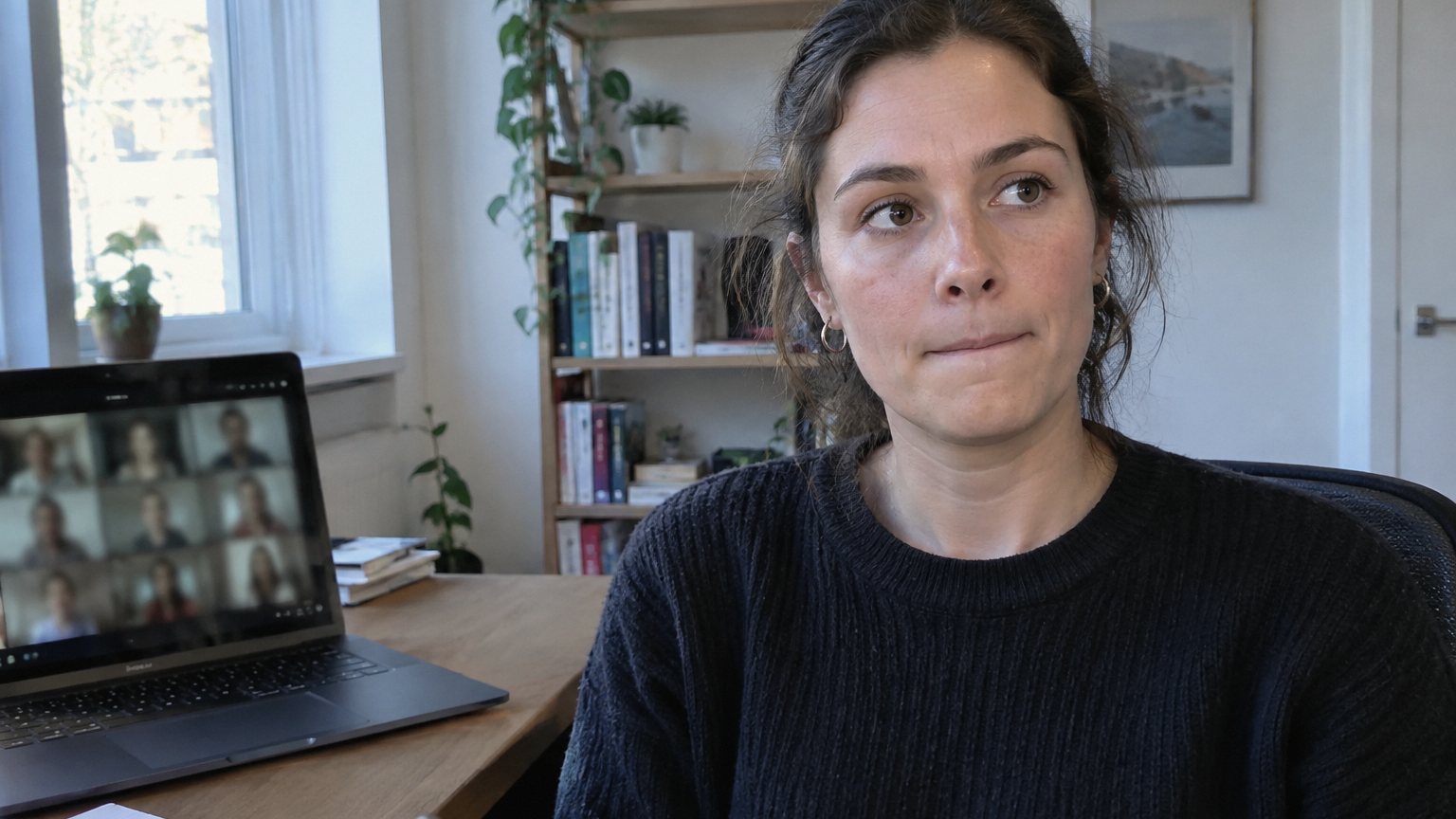
This is why the first answer deserves its own rehearsal. Not a memorized speech. Not a fake persona. Just a practiced start that helps the listener understand what kind of candidate is sitting in front of them.
Video interviews compress the runway
On video, the opening can feel even less ceremonial. There is no walk down the hall, no handshake, no moment finding the chair. The link opens, faces appear, and suddenly you are speaking.
That short ramp can trick candidates into treating the first answer as setup instead of evaluation. They are adjusting audio, checking the tiny image of themselves and deciding whether to look at the camera or the face on screen. Meanwhile, the interviewer is already getting a sample.
This is the part many people underprepare. They save their clearest examples for later, then spend the opening answer warming up in real time. The question we started with still matters: how soon does that opening stretch start to count?
So how soon are you judged?
CareerBuilder reported that around half of employers know within the first five minutes of an interview if a candidate is a good or bad fit for a position. The same release said only 8 percent make up their mind within a half hour or longer.
That does not mean every interview is fully decided before it begins. Some interviewers stay open. Some roles require technical proof. Some candidates recover well after a shaky start. But the clock is not imaginary. For many employers in this survey, the opening stretch is not just practice. It is already part of the judgment.
What this means for you
Do not try to script the whole interview. Start by making the opening answer sound like you on purpose. You want a short version of your background that names the role you are aiming for, the experience that makes you credible and why this conversation makes sense.
Practice the first answer out loud. Reading it silently is not the same as saying it while someone is watching.
Make the first sentence easy. A simple start lowers the chance that nerves take over before you begin.
Cut the biography. The interviewer does not need every job you have held. They need the through line.
Record one take. Listen for speed, clarity and whether the answer lands before you run out of breath.
Sources