Americans worried about small talk are looking up lessons this much more
Walking into a holiday party or Thanksgiving dinner can make the next sentence feel too important. More people are trying to learn the words before they arrive.
 By Maria Lee·
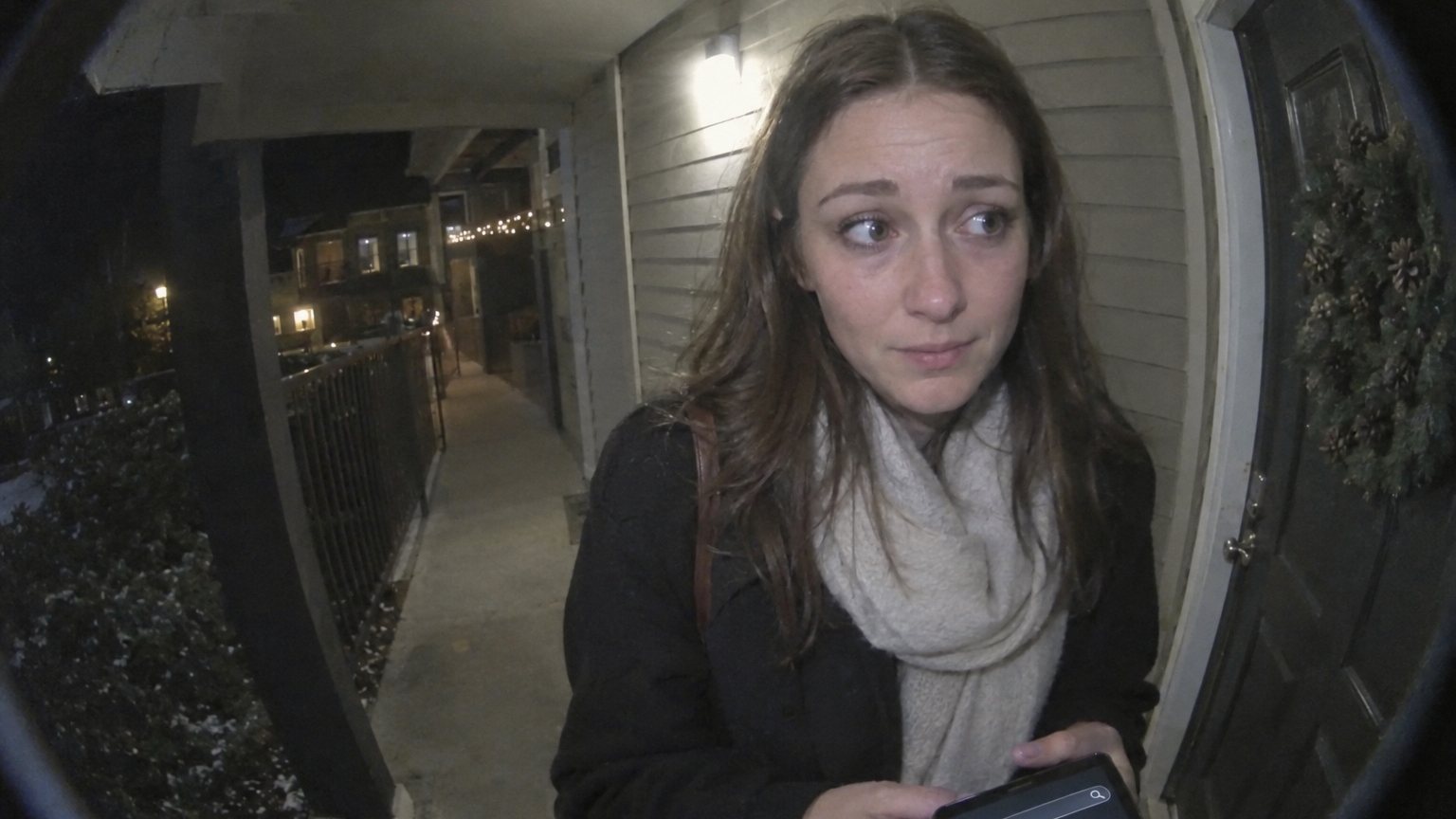
By Nov. 03, 2026, Americans searched “how to make small talk” at levels 288% higher than 5 years earlier. AmberWillo analyzed Google Trends and Google Ads monthly search volume via DataForSEO, pulled Nov. 03, 2026. But the jump lands hardest on people facing office parties, Thanksgiving tables, client mixers and the small panic of wondering what to say next.
- Searches for “how to make small talk”288%
AmberWillo analysis of U.S. Google Trends and Google Ads data via DataForSEO, pulled Nov. 03, 2026.
The comparison uses 12 recent weeks and 26 baseline weeks
The 288% figure compares the last 12 weeks of U.S. search behavior with the first 26 weeks of 2021-2022. That makes it a current-season comparison, not a single-day spike from one viral post or one awkward dinner trend.
The sources measure searches, not motives. Google Trends and Google Ads report search interest and search volume. They cannot say whether each person is nervous, curious, newly social again, preparing for work networking or trying to survive family small talk.
The timing still has a practical edge. The recent 12-week window sits near the part of the year when holiday parties, Thanksgiving meals and year-end work events turn casual conversation into a live task again. The baseline uses 26 early weeks from 2021-2022.
The search wording is unusually plain: “how to make small talk.” It is not asking for a keynote, a wedding toast or an interview script. It asks for help with the loose, ordinary conversation many adults feel they should already know how to handle.
Why do follow-up questions help when your words stall?
The clearest public clue about what helps comes from the Journal of Personality and Social Psychology. In 2017, researchers wrote that across 3 studies of live dyadic conversations, people who asked more questions were better liked by conversation partners.
The advantage was especially tied to follow-up questions. That moves small talk away from performing and toward listening. If your voice freezes after someone answers, a follow-up question gives the next sentence a smaller job: respond to what was just said.
For people reading about reasons for speech anxiety, the useful distinction is narrow: the 2017 paper did not name a louder voice, a sharper story or a perfect opener. It named asking more questions, particularly follow-up questions, across 3 live-conversation studies.

YouGov had 3,881 adults weighing in on awkward small talk
Small-talk awkwardness was already a public polling topic before the current search rise. YouGov published a daily results item on Aug. 23, 2017, based on a survey conducted that day with 3,881 U.S. adults.
One listed response was, “I dislike small talk and usually think it’s awkward.” YouGov’s item does not supply the 2026 search jump. It gives the older context: discomfort around casual conversation was common enough to ask nationally before the newer search curve rose.
Every public number behind the small-talk rush
The public record here has 3 pieces: the 288% search increase, the 3-study question-asking paper and the 3,881-adult YouGov item. Together, they separate the live-conversation habit from the search behavior people are showing now.
| Finding | Number | Source |
|---|---|---|
| U.S. searches for “how to make small talk” compared with five years ago | 288% higher | AmberWillo analysis of Google Trends and Google Ads data via DataForSEO |
| Recent search window used for the comparison | last 12 weeks | Google Trends and Google Ads via DataForSEO |
| Baseline search window used for the comparison | first 26 weeks of 2021-2022 | Google Trends and Google Ads via DataForSEO |
| Live conversation evidence for question-asking and liking | 3 studies | Journal of Personality and Social Psychology, 2017 |
| U.S. adults in YouGov's small-talk item | 3,881 | YouGov, Aug. 23, 2017 |
Public numbers used in this story
What this means for you
If you are looking up small-talk advice before a holiday party, the search curve puts you in a much larger help-seeking crowd than 5 years ago. Treat the feeling as a skills moment, not a character flaw.
Before you walk in, choose a follow-up habit instead of a script. Listen for one concrete detail, then ask about that detail. If your mind blanks, repeat the last useful word you heard and turn it into a simple question. You do not need a perfect opener to keep a conversation going.
Sources