Someone has something on their face. This many people actually speak up
You notice the mark before the meeting starts. The awkward part is deciding whether your voice should enter the room.
 By Maria Lee·
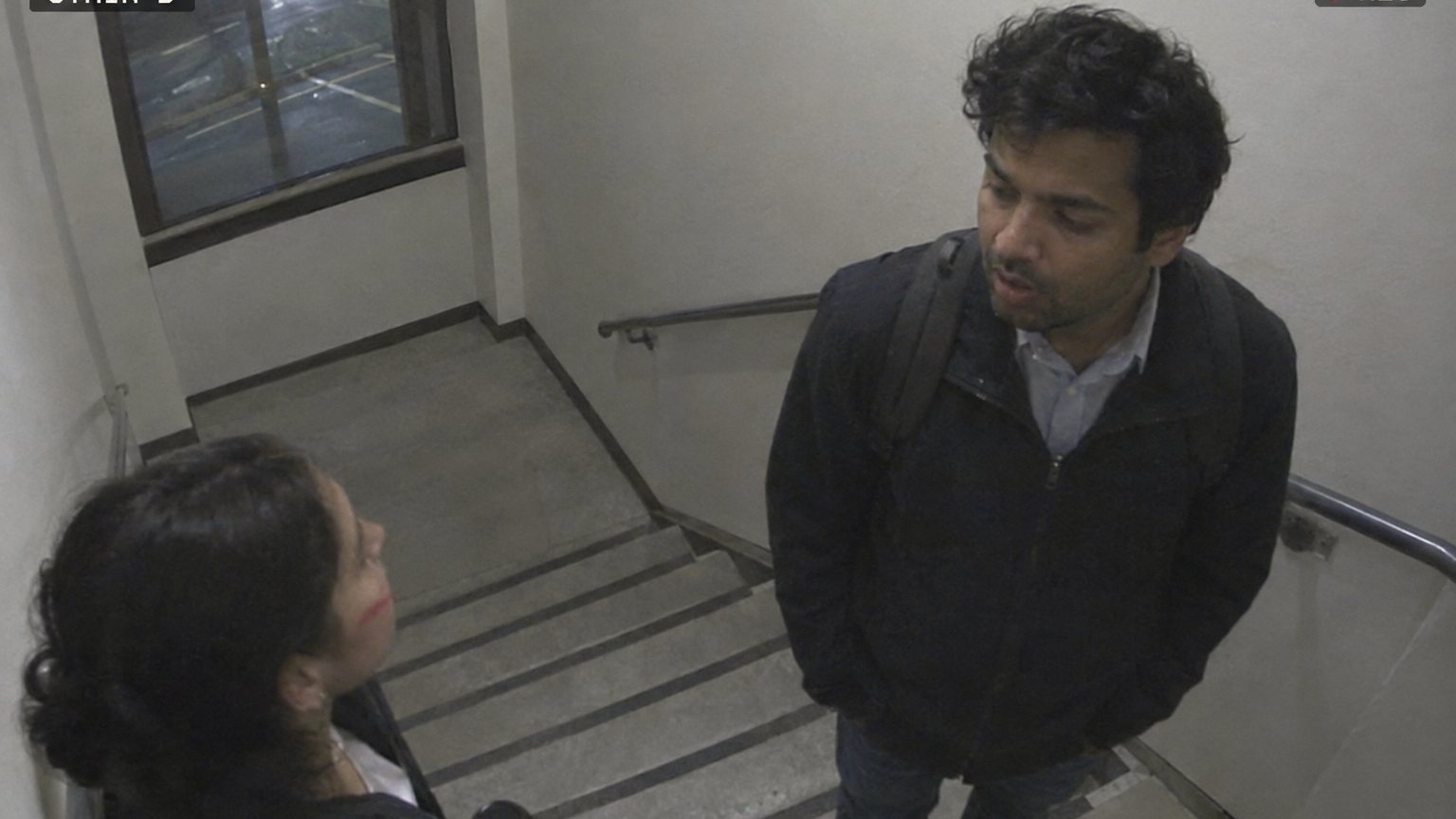
In 2022, only 3% spoke up about a visible face smudge in 1 pilot study during a survey. The American Psychological Association reported the result in a March 24, 2022, release on constructive criticism. But this was not a formal review, a fight or a major error. It was a small, visible, fixable problem, and almost everyone swallowed the useful sentence.
Only 3% spoke up about the smudge
The APA said the 1 pilot study happened during a survey. A tester had a visible smudge on his or her face. The release gave 3 examples of what the mark could be: chocolate, lipstick or red marker.
Those 3 examples make the 3% figure sharper. The person did not need a long critique. They needed a short warning about something they could likely fix before the next conversation, the next hallway greeting or the next meeting.
A tiny warning still has to be said out loud
Before the fix, someone has to speak. They have to choose a tone, decide where to look and trust that the warning will sound helpful. If your words jam in that 1 small moment, it can feel like a social anxiety freeze response inside an ordinary conversation.
The APA described the broader 2022 pattern this way: “People consistently underestimate others’ desire for constructive feedback and therefore don’t provide it, even when it could improve another person’s performance on a task.” In the smudge pilot, that pattern ended at 3%.

Why does helpful feedback disappear?
The APA release covered constructive criticism, not only face smudges. It said people consistently underestimate how much others want feedback. It also described a pilot study and 5 experiments, while the public release did not state the pilot sample size or fieldwork dates.
That makes the 3% smudge moment useful but narrow. It is a vivid benchmark, not a national rate. The number came from 1 pilot study, in 2022, and the APA’s public release did not give enough detail to break it down by age, job or setting.
A 1-sentence warning can change the moment
Take the red-marker example named by the APA. A coworker is about to join a video call. The useful version is private and specific: “Quick note, there’s a small mark right here.” It takes 1 sentence, not a speech.
The same speaking pressure can show up before a presentation, a client call or a performance review. The content is small. The social risk feels larger. The 3% figure captures how often a tiny helpful sentence failed to leave the mouth in that 1 pilot setup.
Every reported detail is narrow
The public APA release gives a memorable number, but the table is short. It names the March 24, 2022, release date, the visible-smudge setup, the 3% speaking-up rate, 3 smudge examples and the broader 5-experiment research frame.
| Detail | What was reported | Number or date |
|---|---|---|
| Speaking-up rate | Participants informed a tester of a visible smudge on his or her face | 3% |
| Publication date | The American Psychological Association published the press release | March 24, 2022 |
| Study setup | The visible smudge appeared during a survey in a pilot study | 1 pilot study |
| Smudge examples | The release named chocolate, lipstick and red marker as examples | 3 examples |
| Broader research described | The release described a pilot study and experiments on constructive criticism | 5 experiments |
| Public method details | The release did not state the pilot sample size, fieldwork dates or exclusions | Not stated |
What the APA reported about the visible-smudge moment
What this means for you
If you notice something awkward but fixable, your hesitation is common enough to plan for. In the APA’s 2022 face-smudge pilot, only 3% spoke up. Silence can feel polite, but it can leave the other person without information they may want.
Make the sentence smaller before the moment gets bigger. Lower your voice, name the fixable thing and move on. Use 1 plain line: “Quick note, there’s a small mark right here.” You are not delivering a review. You are giving someone a chance to fix something.
Sources