These job seekers are twice as likely to walk away from an AI interview
When an AI interview step appears, the decision is also about your voice, your confidence and whether the role is worth a camera-facing answer.
 By Maria Lee·
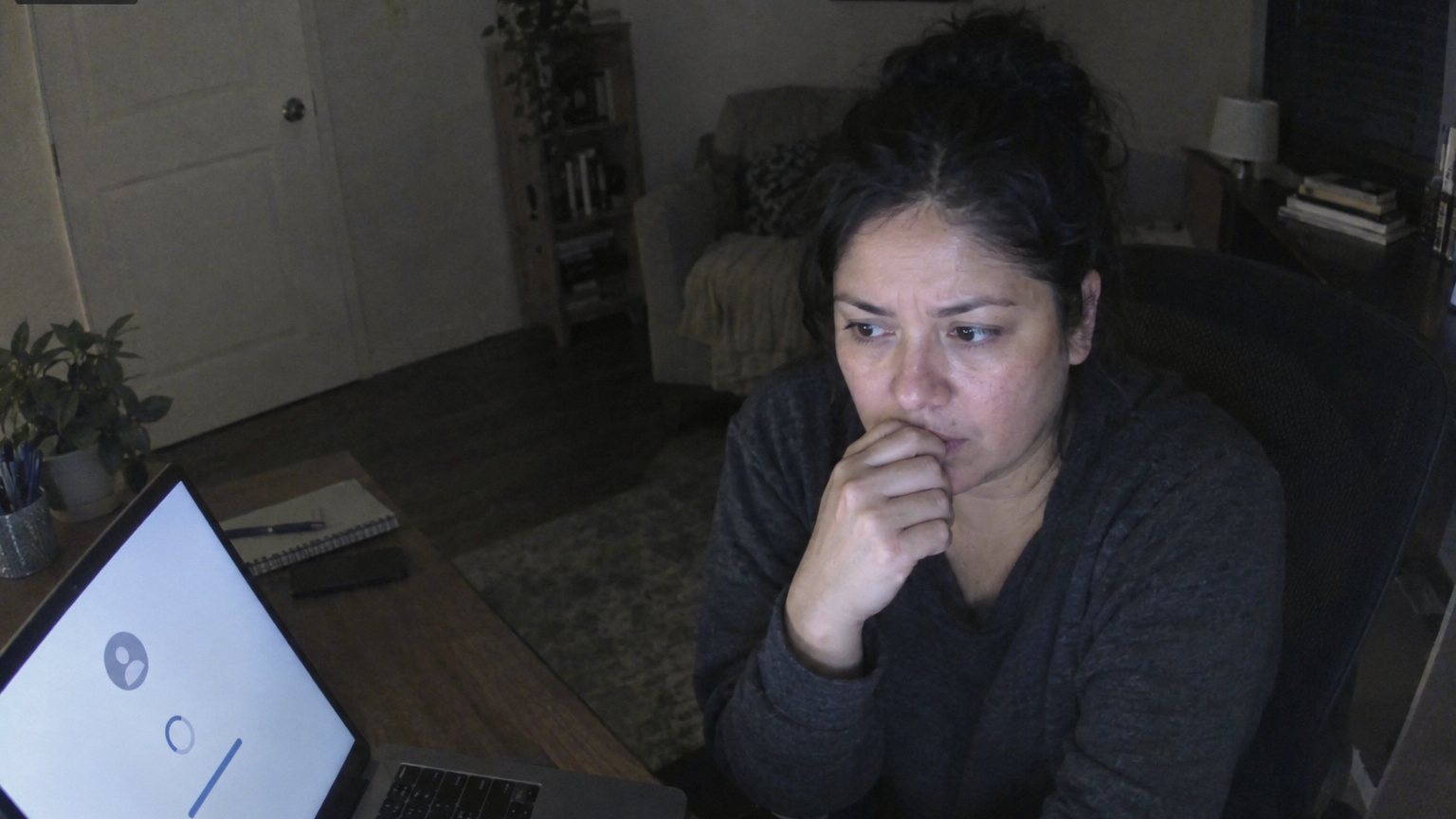
In 2026, employed job seekers were twice as likely to leave AI interviews, 29% versus 14% without work. Cooperative Agency / Use.AI reported the split on Oct. 29, 2026. But the catch is leverage: people who already have a job may be more willing to stop before speaking to an automated system.
For anyone who gets tense in interviews, the format can change the decision before the role is discussed. The posting may look right. Then the next step asks for an AI interview, and you have to decide whether your voice belongs in that process.
The survey covered 6,731 recent job seekers
The release says the figures came from 6,731 Use.AI users in the United States, the United Kingdom, Canada, the European Union and Latin America. They had looked for a job in the past 12 months.
That makes the finding a recent hiring-process measure, not a general poll about artificial intelligence. Within that 6,731-user group, the public split was simple: 29% among those in work and 14% among those without work.
The release describes the measure as a hiring-process outcome: whether a user had declined or withdrawn because the process included an AI interview. It does not report role type, seniority, interview length or whether the AI step came before or after a human contact. It also groups multiple regions, so the split is about employment status among Use.AI users, not U.S. workers alone.
The camera asks before a recruiter does
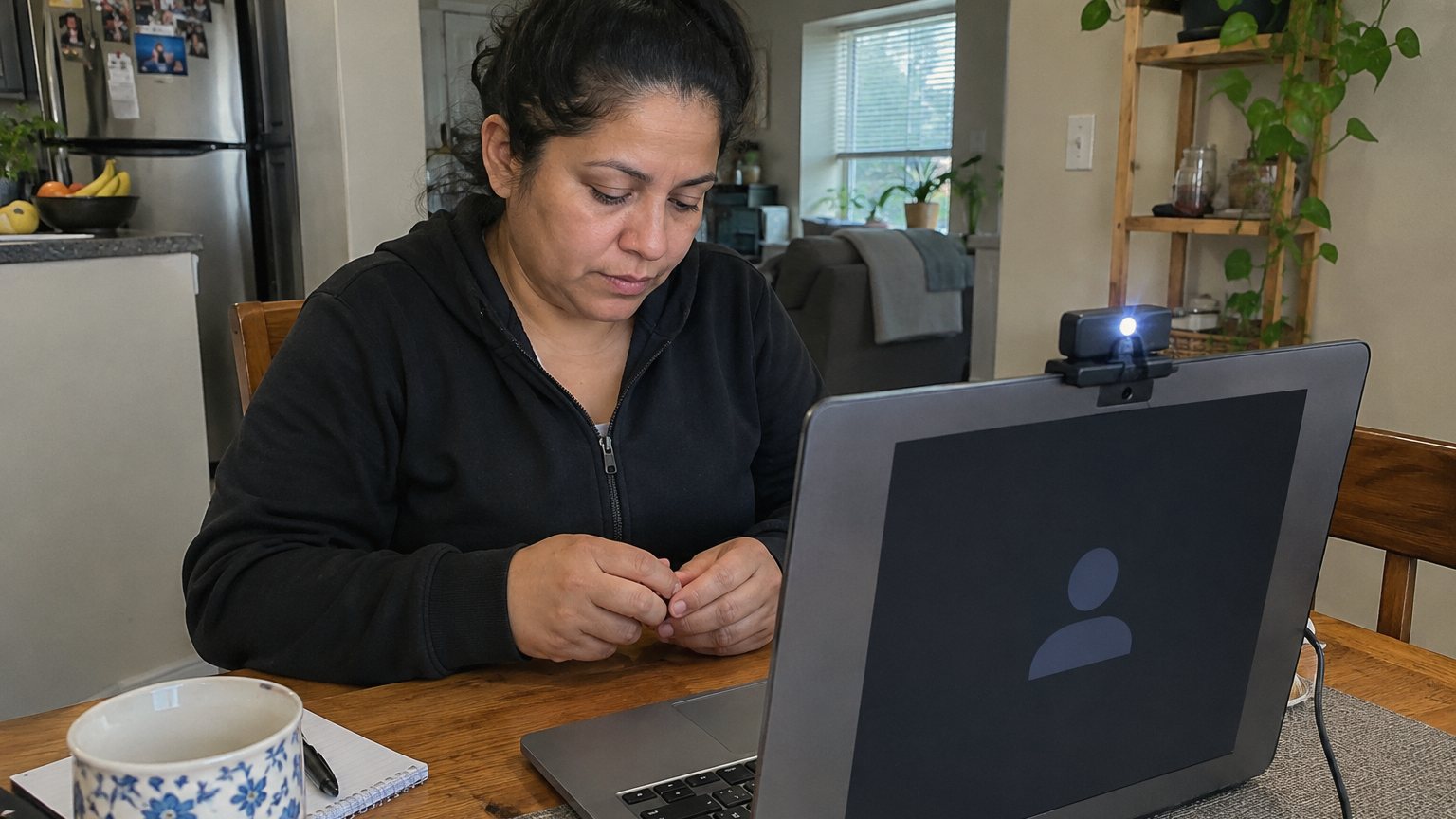
The survey asked whether job seekers had declined or withdrawn from a hiring process because it included an AI interview. It did not measure shaky voices, blank minds or interview anxiety. Still, the decision happens at a speaking moment: you picture the answer before you give it.
The 12-month window matters because these were active job seekers, not people imagining a distant future. If you are trying to get a job with social anxiety, an AI interview can feel less like a scheduling step and more like a camera-facing test.
The release warns against reading this as a talent score
Cooperative Agency / Use.AI included a guardrail about what the 29% and 14% figures can prove. The release says the survey does not establish whether people who withdraw are better candidates.
That sentence keeps the finding in the right lane. The numbers measure a hiring-process choice. They do not say whether someone who refuses an AI interview would perform better with a recruiter, a manager or a panel.
Who stops when the AI step appears?
Take an employed candidate who sees an AI interview instruction after applying. In the Use.AI sample, that person belonged to the group with the 29% withdrawal rate. A candidate without work belonged to the group with the 14% rate.
The release does not say how either candidate sounded, whether either one felt confident or whether either one would have accepted a human phone screen. It reports the employment split among job seekers who had looked in the past 12 months.
| Job seeker group | Share who declined or withdrew |
|---|---|
| In work | 29% |
| Without work | 14% |
Share of job seekers who declined or withdrew because a hiring process included an AI interview
The 14% figure matters because refusal was not limited to people with a current job. The 29% figure matters because employed candidates were the higher-withdrawal group in the public breakdown.
What this means for you
If an AI interview makes you want to leave the process, your reaction is not unusual, especially if you already have a job. In the Use.AI sample, the reported split was 29% for those in work and 14% for those without work.
Before you withdraw, separate the format from the opportunity. Ask what the AI step records, how long it takes and whether a human review follows. If you continue, practice one camera-facing answer out loud: the role, the problem you solve and one example. Decide from leverage, not panic.
Sources