This many candidates quit a hiring process because of an AI interview
Staring into a laptop camera can feel different when no person is listening back. For some job seekers, the AI interview is where the process ends.
 By Maria Lee·
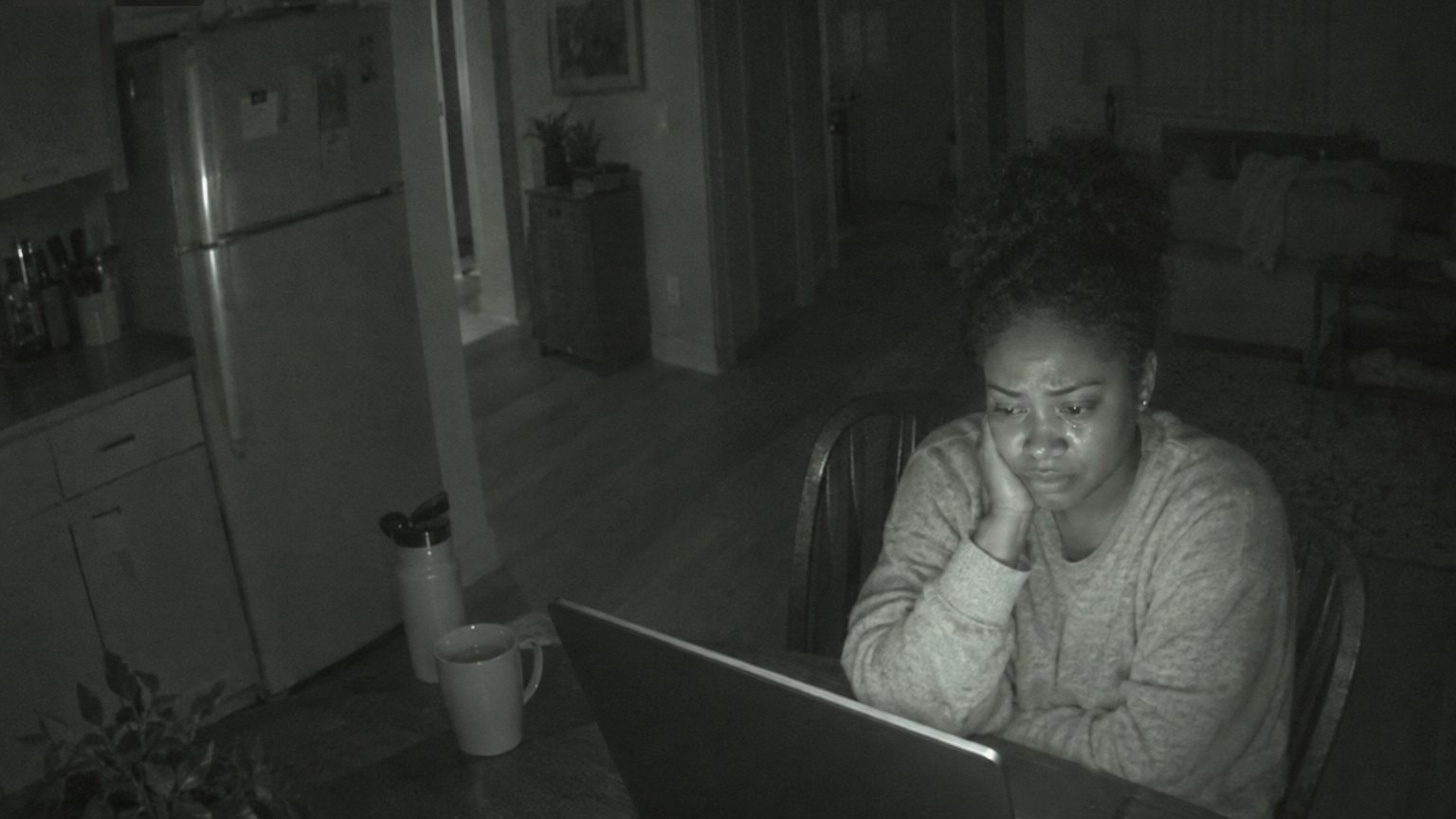
In 2026, 38% of candidates had walked away because a process included an AI interview, and another 12% would. Greenhouse reported the figures in its 2026 Candidate AI Interview Report release. But for a job seeker staring into a laptop camera, the stake is simple: the interview format can decide whether the conversation ever reaches a person.
AI interviews reached 63% of job seekers
Greenhouse said nearly two-thirds (63%) of job seekers have now been interviewed by an AI. The company published the release on May 1, 2026, framing AI interviews as a format many candidates have already met, not a future possibility.
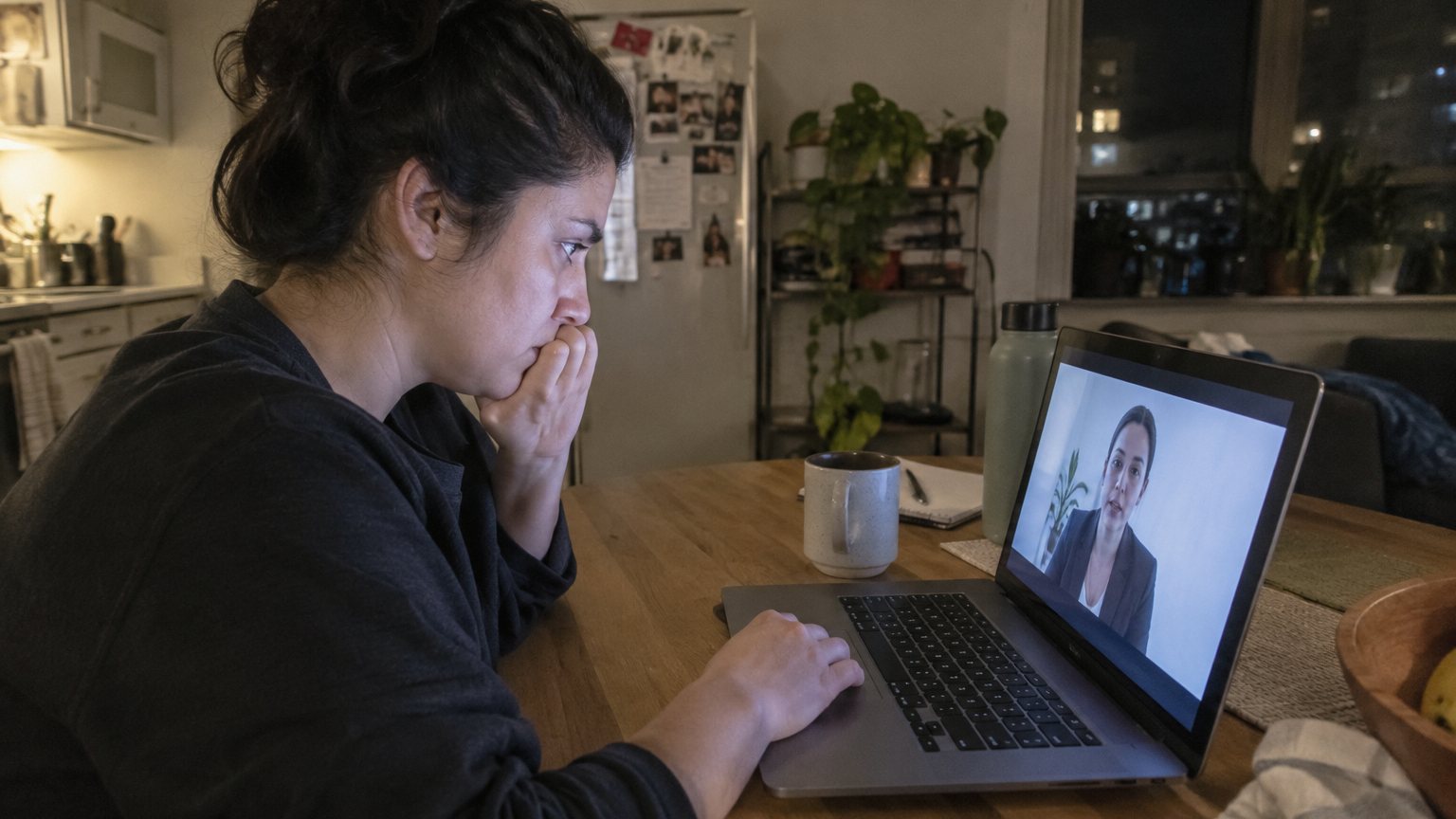
That puts the laptop-camera moment into the normal job-search path for many applicants. A candidate may still be dressed for an interview, still answering career questions and still trying to sound confident, but the listener on the other side may not feel fully human.
Answering without a human face still uses your voice
The Greenhouse release says the report surveyed 2,950 active job seekers. That sample matters for the speaking side of the story because these are people in the middle of a real search, where an answer is not practice. It can affect whether they continue.
An AI round can still ask the basic interview task: speak clearly, choose an example, answer a prompt and sound confident with thinner feedback. Someone working with a fake audience to practice speech is training a related skill: keeping words moving when the listener feels distant or simulated.
Who is covered by the U.S. figures?
Greenhouse said the multi-market survey included 1,200 U.S.-based workers, with additional respondents from the United Kingdom, Germany, Australia and Ireland. Unless otherwise noted, the company said all findings cited in the release reflect U.S. respondents.
That means the 38% walkaway figure and the 12% would-walk-away figure are presented by Greenhouse as U.S. findings unless the release says otherwise. The same is true for the 63% share who have now been interviewed by an AI.
Six months was enough for a 13 percentage-point jump
Greenhouse said the 63% share interviewed by AI was up 13 percentage points from six months ago. For candidates, that pace can change what a job search feels like between one search and the next.
Take a job seeker who paused applications six months ago and is returning now. The Greenhouse figures say AI-interview exposure moved by 13 percentage points in that span. The candidate may not have changed, but the interview room may have.
The candidate benchmarks side by side
The useful benchmark is not whether AI interviews exist. Greenhouse’s release gives three job-search markers: how many candidates have faced the format, how much that exposure rose and how often candidates leave or say they would leave because of it.
| Measure | Reported figure | Who it refers to |
|---|---|---|
| Have now been interviewed by an AI | 63% | Job seekers in the report |
| Increase from six months ago | 13 percentage points | Change in AI interview exposure |
| Have walked away from a hiring process because it included an AI interview | 38% | Candidates in the report |
| Say they would walk away from a hiring process because it included an AI interview | 12% | Candidates in the report |
| Total survey size | 2,950 candidates | Multi-market survey |
| U.S. respondents | 1,200 | U.S.-based workers |
Greenhouse 2026 Candidate AI Interview Report figures cited in the release
Placed together, the figures show why the format can feel bigger than a technical step. Greenhouse reports broad exposure at 63%, fast growth over six months and a hiring-process exit point at 38%.
What this means for you
If an AI interview makes you tense, you are dealing with a format many job seekers now meet. Greenhouse says 63% have been interviewed by an AI, while 38% have already walked away from a process because it included one.
Before you click the interview link, prepare for the silence. Have a few short stories ready: a problem you solved, a result you reached and a time you worked with others. Practice saying them out loud with the camera on. If your opening sounds stiff, restart in plainer words. The goal is to keep your answer moving when no human face helps you.
Sources