If you are avoiding a hard work conversation, this many workers are too
You keep rewriting the message, waiting for a calmer moment or hoping the review passes without the topic coming up.
 By Maria Lee·
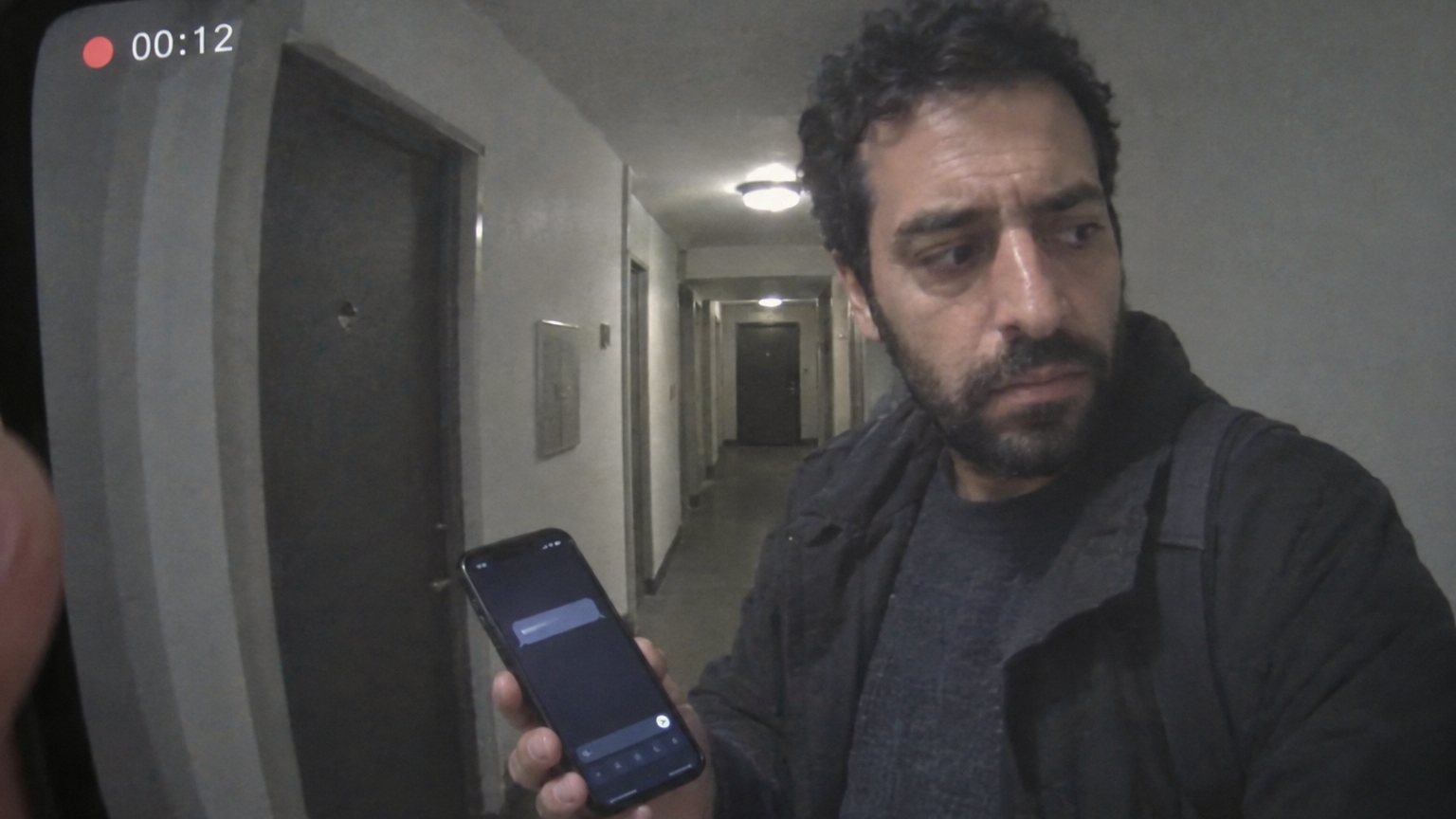
In 2019, more than 80% of workers dreaded at least one scary workplace conversation, in a poll of 529. Crucial Learning, citing a VitalSmarts poll in an Oct. 3, 2019 release, said those workers knew the conversation needed to happen. But they were still cowering from it, which is the part that fits a slipped project, a missed goal or a review where your voice suddenly has to carry bad news.
More than 80% were carrying one dreaded talk
The Crucial Learning release described the poll as 529 respondents and said more than 80% were avoiding at least one scary conversation at work. The wording is important: the conversation was not optional in the workers’ minds. They knew they needed to hold it.
That makes the number more useful than a general stress measure. This is the moment when you already know the topic: the project slipped, the handoff failed, the coworker missed something or your manager needs the truth before the review.
Saying the sentence is where confidence drops
The same release said respondents bite their tongue because they lack confidence to speak up. It also said 1 in 5 admitted they were not at all confident they would be successful in holding the needed conversation.
A hard work conversation can feel like a small speaking test. You have to ask, say, correct or admit something while another person reacts in real time. That is why the importance of confidence in public speaking can show up in a manager chat, not only on a stage.

The delay can last 6 months or more
The delay was often long. Crucial Learning said 1 in 4 people had put off their scary conversation for 6 months. It also said 1 in 10 had delayed it for an entire year.
Take a project problem that should have been raised 6 months before review season. By the time the manager asks, the conversation is no longer only about the slipped work. It is also about the delay, the missing warning and the confidence to say what happened.
Why do workers wait so long?
The most common feared topic in the Crucial Learning release was addressing another person’s workplace performance. That is a different kind of pressure than reporting your own mistake, but the speaking task is similar: you need to say something another person may not want to hear.
The release also reported another 1 in 10 admitted to avoiding the conversation for more than 2 years. A scary conversation can therefore stretch far beyond a single deadline, review cycle or team change.
A 6-month pause puts you in a measurable group
The full benchmark is less comforting than the headline number, but more practical. If you are delaying a hard message by weeks, you are in the broad more-than-80% group. If you are approaching 6 months, you are in the smaller delay group Crucial Learning reported.
| Reported experience | Figure |
|---|---|
| Cowering from at least one scary workplace conversation | More than 80% |
| Poll respondents | 529 |
| Put off the scary conversation | 1 in 4 for 6 months |
| Delayed the conversation | 1 in 10 for an entire year |
| Avoided the conversation | Another 1 in 10 for more than 2 years |
| Not at all confident they would be successful | 1 in 5 |
What workers reported about scary conversations at work
That table also separates fear from silence. More than 80% dreaded at least one conversation, but the longer delays were concentrated in smaller groups: 1 in 4 at 6 months, 1 in 10 at a year and another 1 in 10 beyond 2 years.
What this means for you
If you are avoiding a hard work conversation, the Crucial Learning poll puts you in a common group, not an unusual one. The risky part is the calendar. A delay that feels protective this week can become a 6-month story by review time.
Make the first sentence small enough to say out loud. Try: “I need to flag a delay,” “I missed the original date,” or “I want to talk through what happened.” You do not need to sound flawless. You need a clear start before the avoided conversation turns into the next deadline.
Sources