When the AI looks wrong and your manager is listening, this many workers stay quiet
You spot a safety, capability or accuracy problem in a high-stakes AI meeting. The hard part is deciding whether to say it while your career is in the room.
 By Maria Lee·
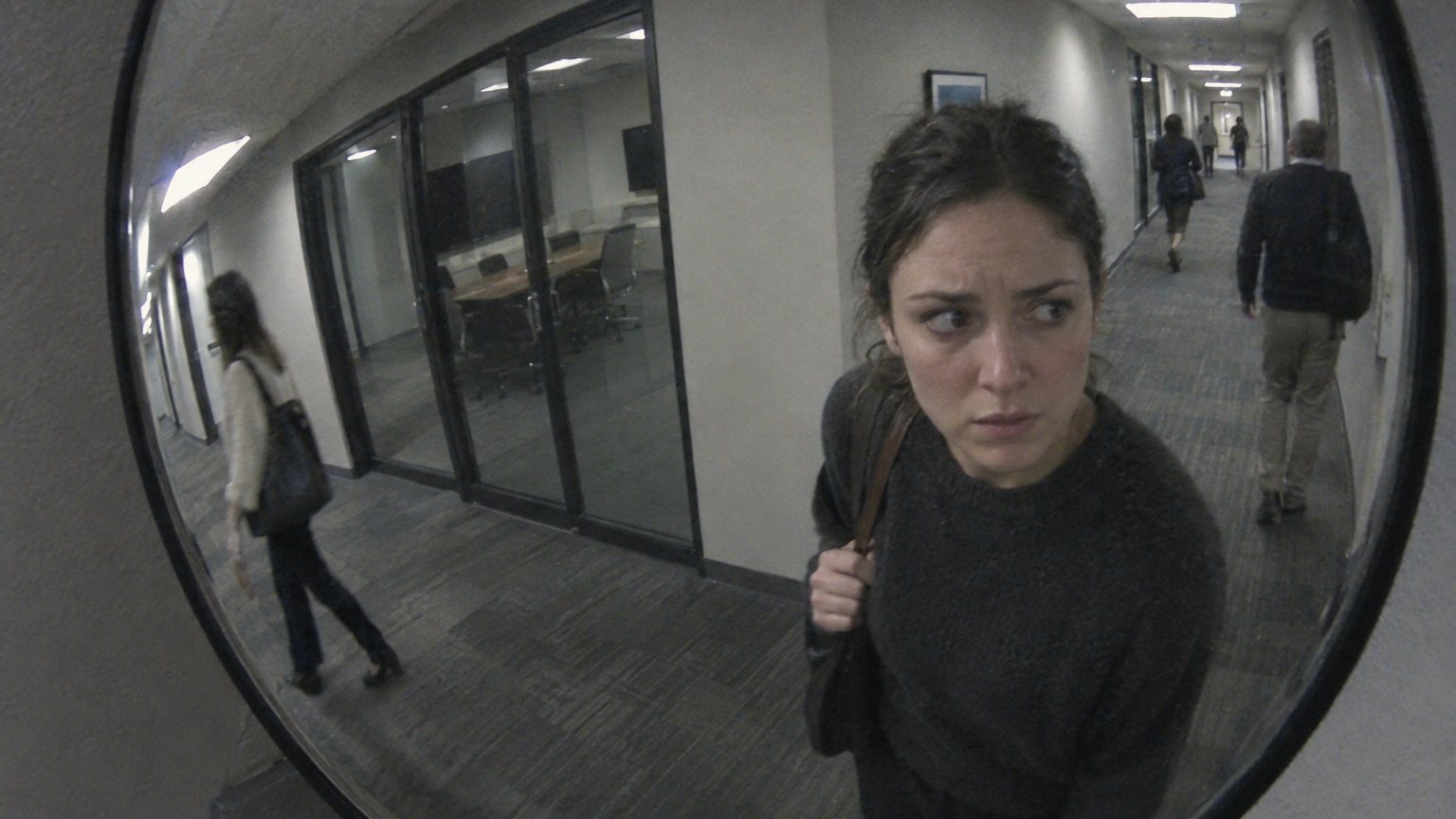
82% of AI workers had stayed quiet in internal meetings in 2026, and 54% said it happened more than once. Tech.co reported the figures from a Movchan Agency study about safety, capability or accuracy concerns. But for anyone in a tense meeting, the useful part is the speaking pressure behind the silence: the concern had to be said while professional risk was in the room.
More than half said the silence happened more than once
Tech.co wrote on Oct. 26, 2026, that 82% of AI workers had stayed quiet in an internal meeting about “safety, capability, or accuracy” concerns because it felt professionally risky. More than half, 54%, said it had happened more than once.
That turns the moment from a one-off awkward pause into a repeated workplace pattern. A worker sees a problem, hears managers or senior peers talking, and has to choose whether to interrupt. In this reported group, 82% had chosen silence at least once, and 54% described repeat silence.
- Stayed quiet in an internal meeting82%
- Said it happened more than once54%
Tech.co reported these figures from a Movchan Agency study of AI workers. The Tech.co page did not state the sample size.
A concern becomes a sentence in the room
A safety or accuracy concern is technical on the screen, but in the room it becomes a sentence. You have to say what you noticed, ask for attention and sound clear enough that people hear the risk rather than only the interruption.
The same judgment problem behind ethics and public speaking appears in a smaller meeting. Tech.co’s reported 82% silence figure and 54% repeat figure sit beside the phrase “professionally risky.” The words are doing career work before the technical point is even debated.

Tech.co framed it as safety silence
Tech.co also summarized the finding this way: “82% of AI workers have stayed silent on safety concerns in internal meetings.” That wording matters because safety is not a small preference or a style dispute. It is the kind of claim that can change a roadmap, delay a launch or challenge a manager’s plan.
The longer description in the same report includes capability and accuracy concerns too. In meeting terms, those are hard sentences to say aloud. “This may be unsafe,” “This may not work,” and “This may be inaccurate” can all sound like objections, even when the speaker is trying to protect the work.
Blacklisting was named by 42%
Tech.co reported that 42% of workers who had stayed silent cited fear of being blacklisted in the industry. That is a different pressure from ordinary meeting nerves. It points to future reputation, future jobs and future access to work in the same field.
The number also changes how the silence sounds. If 42% are thinking about blacklisting, the unsaid sentence is not only, “This model may be wrong.” It is also, “Will people remember me as the person who slowed this down?” In a manager-heavy room, that can shrink the voice fast.
Equity or vesting was close behind at 40%
Another 40% cited fear of losing equity or vesting, Tech.co reported. That reason ties the speaking moment to money already attached to time. A concern about accuracy or capability may be correct, but saying it can feel connected to compensation.
Take an AI worker in a launch meeting who sees an accuracy issue. If the worry is blacklisting, the source’s 42% reason fits the moment. If the worry is equity or vesting, the 40% reason fits. If they have stayed silent before, they resemble the 54% who said it happened more than once.
The reported breakdown, from silence to reasons
The Tech.co article gives a compact set of reported percentages: one number for silence, one for repeat silence and two for the professional risks workers named. The page did not state the sample size, so the figures should be read as a reported AI-worker benchmark, not a national workforce average.
| Reported finding | Share |
|---|---|
| AI workers who had stayed quiet in an internal meeting about safety, capability or accuracy concerns | 82% |
| AI workers who said it happened more than once | 54% |
| Workers who cited fear of being blacklisted in the industry | 42% |
| Workers who cited fear of losing equity or vesting | 40% |
Reported AI worker silence and reasons in the Tech.co article
What this means for you
If you see a problem in a high-stakes meeting, do not wait for confidence to arrive fully formed. Prepare one sentence that separates the observation from the accusation: “I may be missing something, but I see an accuracy risk in this part.”
Then add a narrow ask: “Can we pause to check it?” That gives the room a specific action instead of a vague alarm. The reported 82%, 54%, 42% and 40% figures show how career risk can crowd out speech. Your advantage is having the first sentence ready before the pressure hits.
Sources