When the follow-up note is due, how many AI-using workers your age ask a bot to draft?
The interview is over, one answer is still bothering you, and the thank-you note has to sound polished without sounding fake.
 By Maria Lee·
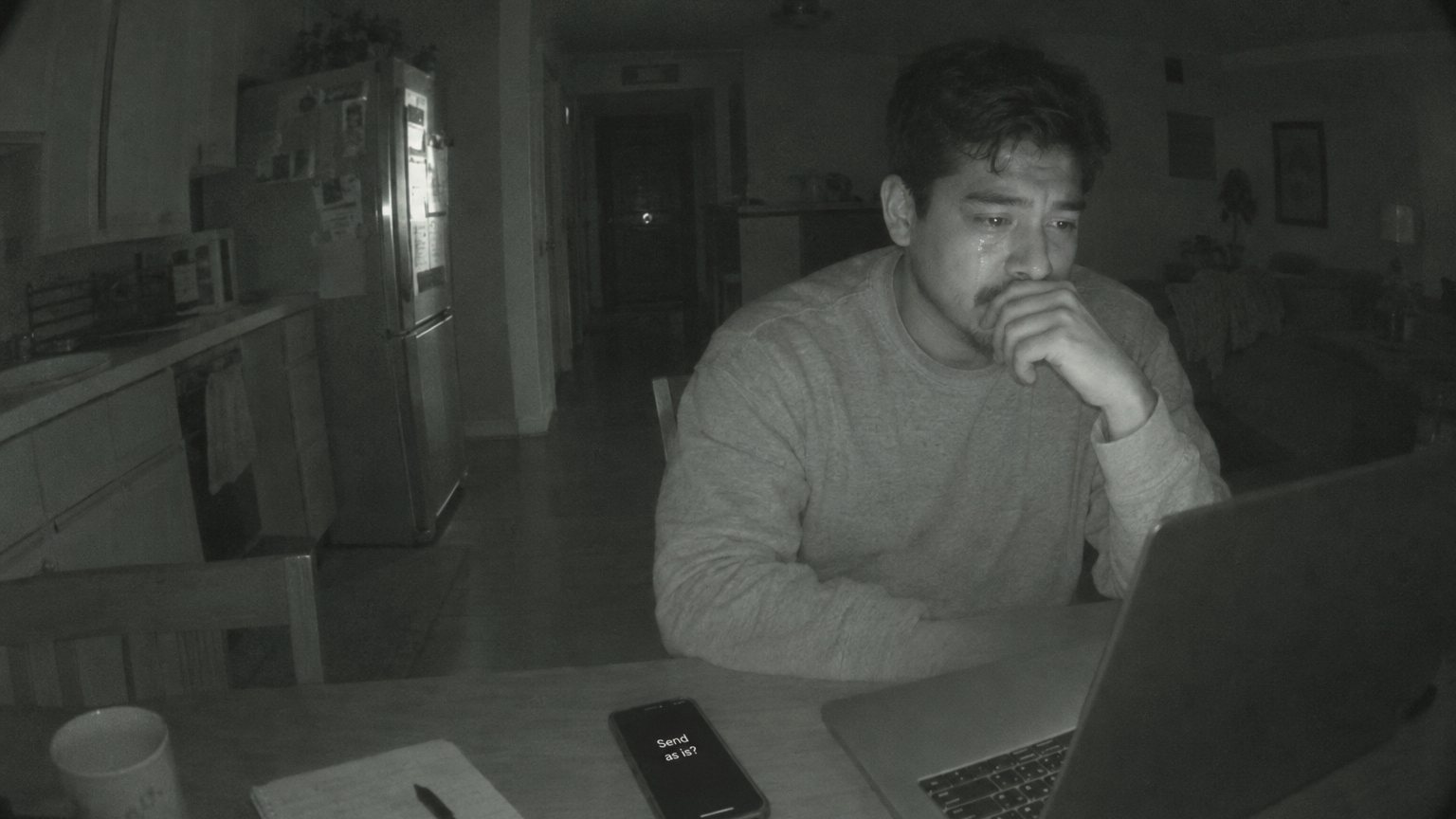
In 2024, 50% of AI-using workers ages 18 to 49 drafted written content with chatbots, against 38% of those 50 and older. But Pew Research Center was measuring work tasks, not thank-you notes, so the interview link comes from job-search sources that now track mock interviews and prep.
The benchmark starts inside the AI-using worker group
Pew Research Center’s report was based on a survey of U.S. workers conducted Oct. 7-13, 2024. The source material says 31% of workers had used AI chatbots at work, even if rarely.
Among those AI-using workers, Pew said workers ages 18 to 49 were more likely than workers ages 50 and older to use chatbots for almost all the work tasks it asked about. Drafting written content was the cleanest match for a follow-up note.
The thank-you note still has to sound like the conversation
A follow-up note is written, but it continues the interview conversation. It carries the words you wish you had said, the question you want to clarify and the tone you want the hiring manager to remember after the call.
That is the speaking side of the Pew number. A bot can draft sentences, but you still decide what sounds like you. Treat the prompt like public speaking notes: support for your message, not a replacement for your voice.
At 50%, younger AI users have reached the halfway mark
Pew’s written-content item is the headline benchmark. The report says half of AI-using workers ages 18 to 49 had used chatbots to draft reports, documents or other written content.
For AI-using workers ages 50 and older, the comparable figure was 38%. Pew did not ask about interview follow-ups specifically, so the safest reading is narrow: drafting with bots is already common in the younger worker band, and less common in the older band.

The interview link is explicit in 2026 job-search surveys
The National Association of Colleges and Employers, known as NACE, makes the interview connection clear in its 2026 student survey instrument. The questionnaire asks, “Have you used AI tools (e.g., ChatGPT, Claude, JobScan, etc.) to assist with your job search?”
One listed response is, “I used AI to conduct mock interviews/interview prep.” That does not provide a published age breakdown. It does show that interview rehearsal is now a named AI job-search behavior in 2026, alongside other job-search uses.
85% of seniors use AI before the job market
Handshake’s Class of 2026 AI outlook puts the student side in sharper relief. It said that by the class of 2026, 85% of seniors use AI, and more than a third use it daily.
That number is broader than interview prep. It does not say 85% use AI for mock interviews, follow-up notes or awkward questions. Paired with the NACE wording, it shows many seniors are entering hiring season with AI already in the routine.
Where each source draws the line
The sources answer different parts of the same hiring moment. Pew gives the age benchmark for drafting written content at work. NACE gives the job-search and mock-interview wording. Handshake gives the Class of 2026 adoption backdrop.
NACE also warned in a 2026 article that graduating seniors’ use of AI as a job-search tool was “not as widespread as many believe,” citing student concerns. That keeps the comparison grounded: AI is common, but the public sources do not show that every applicant is using it for interviews.
| Source | Group measured | What it says |
|---|---|---|
| Pew Research Center, 2024 | AI-using U.S. workers ages 18 to 49 | 50% used chatbots to draft reports, documents or other written content |
| Pew Research Center, 2024 | AI-using U.S. workers ages 50 and older | 38% used chatbots to draft reports, documents or other written content |
| NACE student survey instrument, 2026 | Student job seekers | Asks whether respondents used AI tools for job search and for mock interviews/interview prep |
| Handshake Class of 2026 report | Class of 2026 seniors | 85% use AI, and more than a third use it daily |
| NACE article, 2026 | Graduating seniors | Says AI use as a job-search tool is not as widespread as many believe |
Public benchmarks around AI, drafting and interview prep
What this means for you
If you are in the 18 to 49 working-age band and you ask a bot to draft a follow-up note, Pew’s work-task benchmark puts you near a common drafting habit among AI-using workers, not on the fringe.
Use the draft to reduce blank-page pressure, then make the note sound like the conversation you actually had. Add the specific question you answered, the point you want remembered and one sentence in your own voice. A polished note should still sound like the person who spoke in the interview.
Sources