How many workers feel more stress when work communication goes wrong
A vague work message or a silent video-call pause can make an ordinary review feel personal. Public workplace communication data gives that stress a benchmark.
 By Maria Lee·
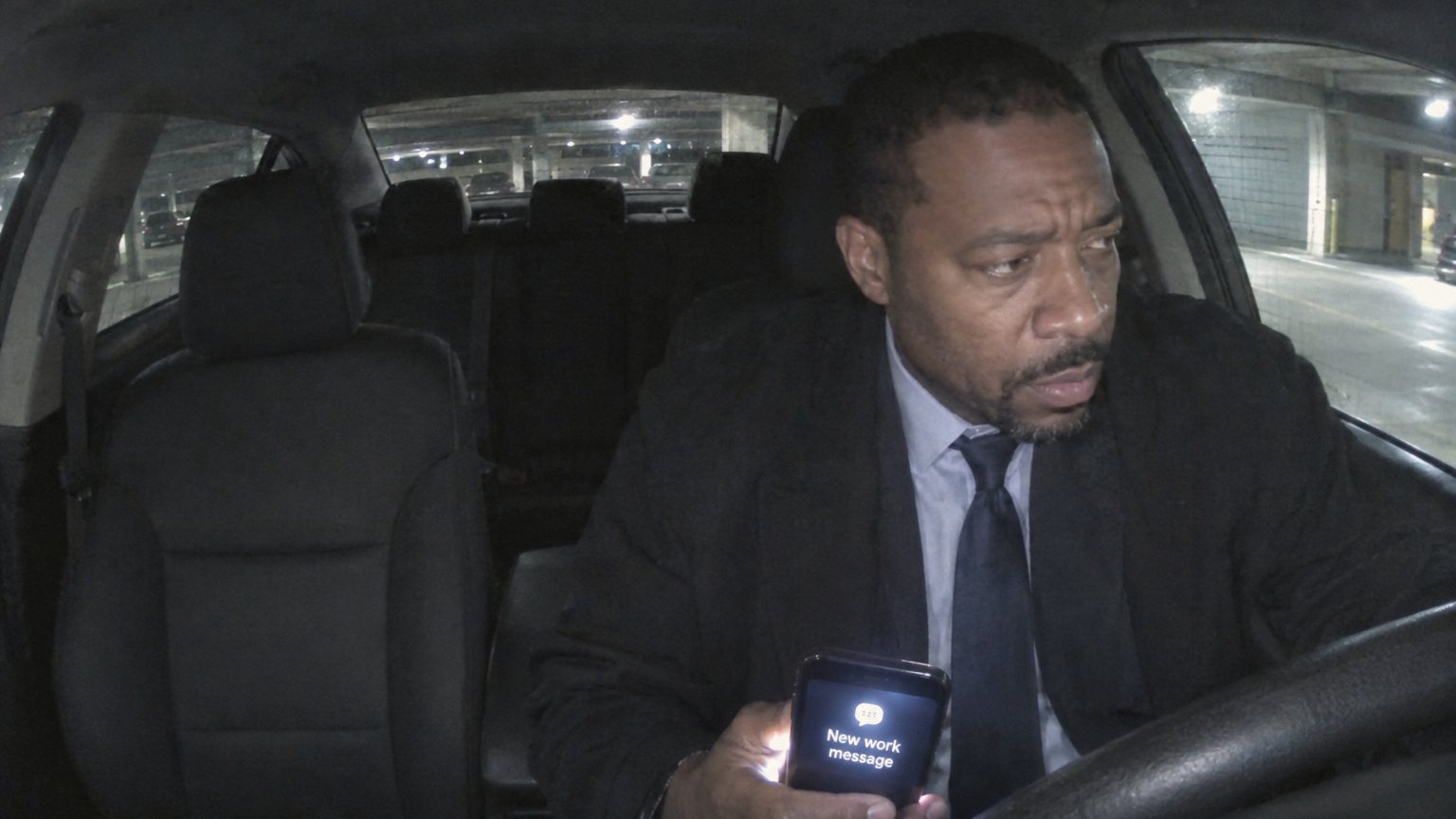
In 2024, 51% of workers linked poor communication to stress; in 2022, 54% had weekly written miscommunication. Grammarly and The Harris Poll reported the stress figure in a public summary and the miscommunication figure for knowledge workers in its earlier full report. But the number lands hardest when the problem is small: a vague message, a delayed reply or a manager going quiet on video.
Poor communication raised stress for 51% of workers
The 2024 Grammarly and Harris Poll public summary listed 51% under poor communication impacts most workers and increased stress. The 2022 full report said 54% of knowledge workers experienced written miscommunication at least weekly.
The same 2022 report said 86% of knowledge workers experience some sort of communication challenge at work. It was based on 1,252 U.S. respondents, including 1,001 knowledge workers and 251 business leaders. The public sample matters because it did not ask only one side of the office. It included people doing knowledge work and people leading teams, so the communication strain was measured across the senders, receivers and decision makers who shape a workday. The report said the survey was designed to understand the landscape of business communication in the U.S.
- Poor communication increased stress51%
- Knowledge workers with weekly written miscommunication54%
- Knowledge workers with any communication challenge86%
Grammarly and The Harris Poll reported the 51% figure in the 2024 public summary and the 54% and 86% figures in the 2022 full report.
When the screen stays quiet, you start choosing words
The 2022 report named the top challenges knowledge workers face: not receiving timely responses from others at 49%, communicating clearly so receivers understand the message at 37%, and understanding messages received at 33%.
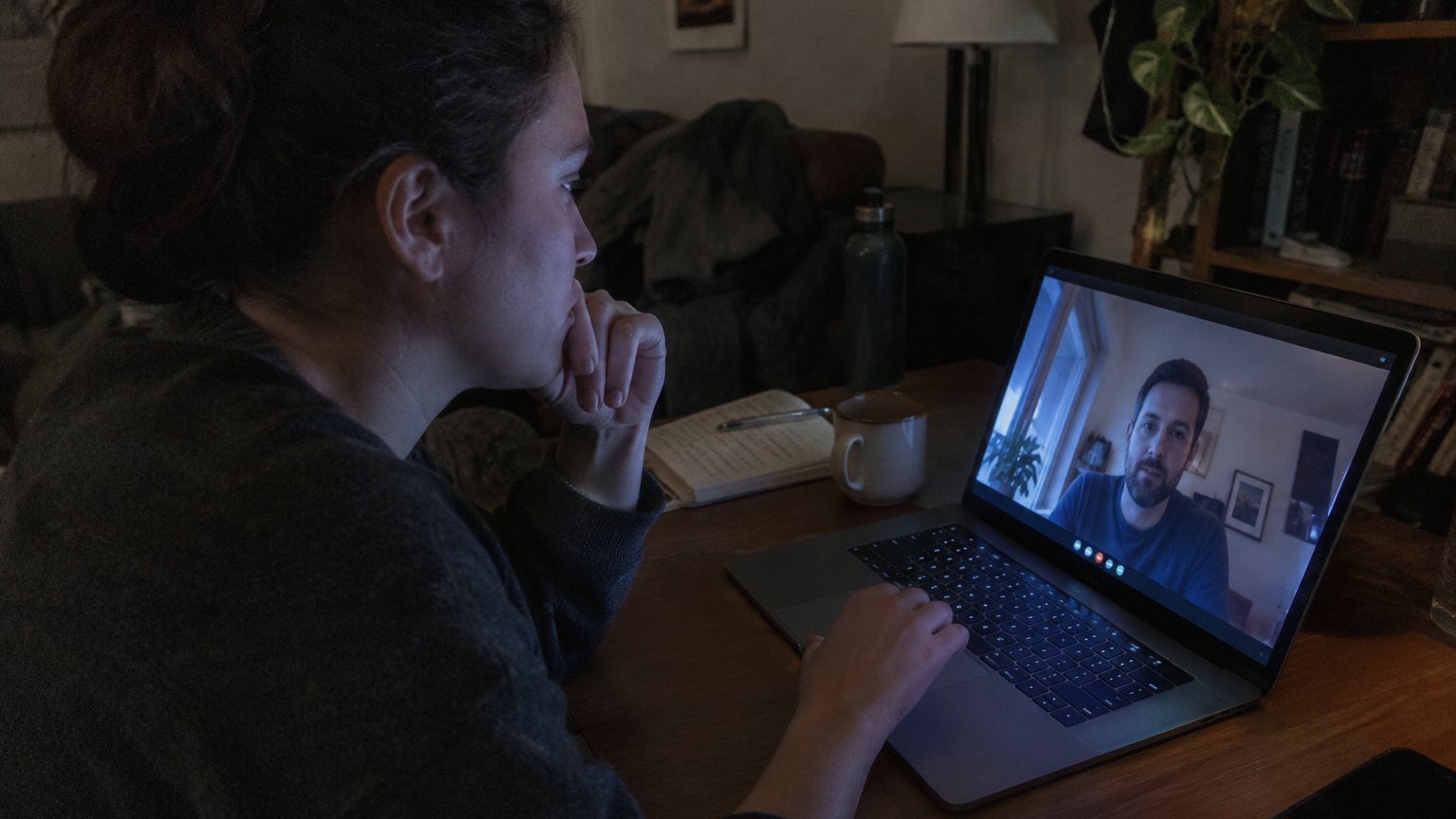
Those are speaking problems as well as writing problems. In a review or video call, you may have to ask, explain or clarify before you feel confident that your point landed. That is the same pressure behind overthinking conversations before a meeting.
Why does a delayed reply feel so loaded?
Delayed response was the largest listed challenge in the 2022 report, at 49% of knowledge workers. Clarity followed at 37%, while understanding incoming messages was listed at 33%.
Take a performance-review thread where you ask for clarification, then wait. The source numbers put late responses at 49%, unclear sending at 37%, and hard-to-understand messages at 33%. One exchange can touch all of those pressures without anyone saying anything dramatic.
Remote and hybrid work keep the stakes on screen
Pew Research Center reported in 2025 that, as of October 2024, about 32% of workers with teleworkable jobs were working from home all the time. Another 43% had a hybrid schedule, up from about a third in 2022.
Pew also reported that among teleworkable-job workers who were not working from home all the time, 75% said their employer required them to work from the office, workplace or job site a certain number of days per week or month. Communication now moves across video, chat, email and in-person rooms.
Every benchmark behind the stress number
The public reports do not give an age-by-age breakdown for the exact weekly written-miscommunication measure. The clearer benchmark is broader: stress, delayed replies and unclear messages are common across knowledge work, especially where tone and timing carry career weight.
| Benchmark | Group | Share |
|---|---|---|
| Poor communication increased stress | Workers in the 2024 public summary | 51% |
| Written miscommunication at least weekly | Knowledge workers in the 2022 report | 54% |
| Any communication challenge at work | Knowledge workers in the 2022 report | 86% |
| Not receiving timely responses from others | Knowledge workers in the 2022 report | 49% |
| Communicating clearly so receivers understand | Knowledge workers in the 2022 report | 37% |
| Understanding messages received | Knowledge workers in the 2022 report | 33% |
| Working from home all the time | Workers with teleworkable jobs in Pew’s October 2024 survey | 32% |
| Hybrid schedule | Workers with teleworkable jobs in Pew’s October 2024 survey | 43% |
| Employer requires certain in-office days | Teleworkable-job workers not home full time in Pew’s article | 75% |
Work communication and remote-work benchmarks cited in the reports
What this means for you
If a vague message or video-call pause makes you tense, the benchmark says you are not reacting to a rare problem. Poor communication was tied to increased stress for 51% of workers, and weekly written miscommunication affected 54% of knowledge workers in the 2022 report.
Before a review or difficult meeting, prepare one clear sentence for your main point and one calm follow-up question. If the other person pauses, do not fill every second. Ask, “Would it help if I clarified one part?” That keeps your voice active without guessing what the silence means.
Sources