This is how often professionals face the speak-up moment each week
A crowded meeting goes quiet just as you need to ask, explain or disagree out loud.
 By Maria Lee·
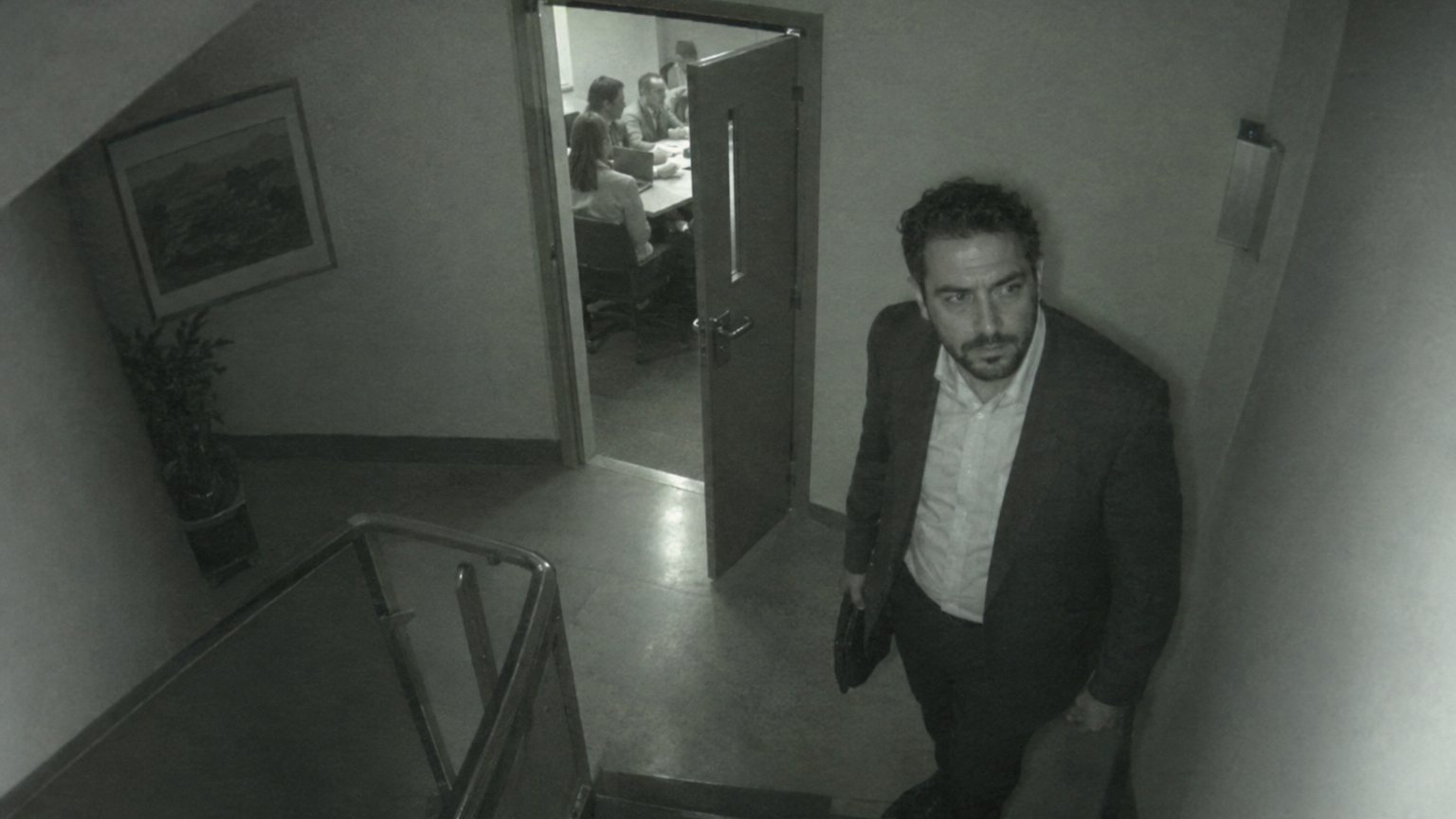
Professional employees averaged 17.7 meetings and 18 meeting-hours each week in 2022, with managers at 21.3 meetings. Otter.ai and Steven Rogelberg reported those benchmarks in a September 26, 2022 report on unnecessary meeting attendance. But the pressure is not only time. It is the repeated decision to speak, ask, disagree or stay quiet.
That choice can look small from outside the room. Inside it, a short comment can feel like a status test. With 17.7 meetings in a typical week, the same hesitation can return many times before Friday.
Managers hit 21.3 meetings a week
The Otter.ai and Rogelberg report split the weekly load by role. Managers with at least 4 direct reports averaged 21.3 meetings, totaling 22.2 hours per week. That is more than the all-employee benchmark of 17.7 meetings and 18 hours.
Take a manager with at least 4 direct reports. The benchmark is not one big presentation. It is 21.3 separate meeting appearances and 22.2 hours of meeting time in a week. Any one of those meetings can include a question, correction or decision point.
A crowded room changes what you dare to say
The American Psychological Association’s 2024 Work in America report defines psychological safety as a workplace climate in which workers are comfortable expressing themselves and can take appropriate interpersonal risks. It says workers are confident they can speak up without being humiliated, ignored or blamed.
That is the speaking side of the calendar. A meeting is a conversation where your voice may carry risk. If you already struggle with public speaking fear, 18 meeting-hours can turn ordinary updates into repeated pressure points.
What changes for non-managers?
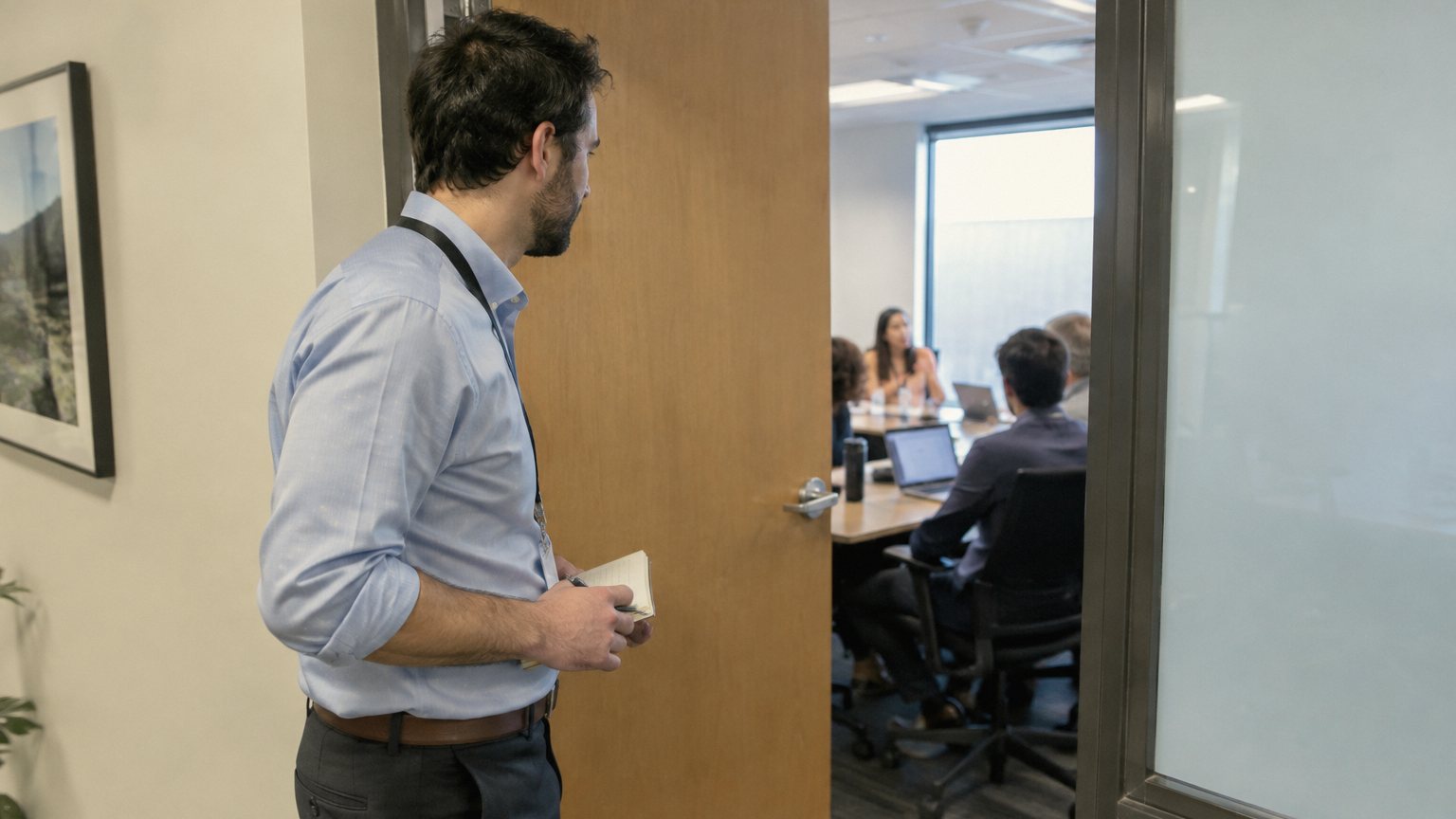
Non-managers averaged 14.4 meetings, totaling 13.7 hours per week, according to the same Otter.ai and Rogelberg report. That is lower than the manager figure of 21.3 meetings and 22.2 hours, but it is still a steady speaking environment.
For someone earlier in a career, 14.4 meetings a week can be the sharper benchmark. You may not run the room, yet you are still present for 13.7 meeting-hours. Your job may require fewer decisions, while still asking you to be clear at the right moment.
Why can asking one question feel risky?
The APA’s 2024 wording includes a smaller moment than a speech: workers in psychologically safe climates know they can ask questions when they are unsure about something. That is a direct match for many meeting nerves. The hard part is often one sentence, not a full presentation.
A worker near the all-employee benchmark faces 18 hours where a question may come up. A non-manager faces 13.7 hours. A manager with at least 4 direct reports faces 22.2 hours. The APA language explains why those hours can feel different from one workplace to another.
Every weekly benchmark, from 14.4 to 21.3 meetings
The role split shows how meeting exposure changes across a week. All employees averaged 17.7 meetings and 18 hours. Non-managers sat below both figures. Managers with at least 4 direct reports sat above both.
| Employee group | Average meetings per week | Average meeting-hours per week |
|---|---|---|
| All employees | 17.7 | 18 |
| Non-managers | 14.4 | 13.7 |
| Managers with at least 4 direct reports | 21.3 | 22.2 |
Average weekly meetings and meeting-hours reported by Otter.ai and Steven Rogelberg
Use the table as a calendar check. If your week has around 18 meeting-hours, you are near the all-employee benchmark. If you manage at least 4 people and hit about 22.2 meeting-hours, you are near the manager benchmark.
What this means for you
If you hesitate before speaking in meetings, treat it as a repeated workload rather than a character flaw. A professional week can contain 17.7 meeting moments. A manager week can contain 21.3. Your goal is not to be brilliant in all of them.
Before a crowded meeting, choose one sentence you would be glad to say. Make it short enough to deliver even if your heart speeds up. If the room feels safe, add the detail. If it does not, ask one clear question. That still counts as using your voice.
Sources