Before you dodge that work call, check how much phone anxiety has grown
Before you send another email instead of calling, a 196-word-per-minute phone benchmark helps explain why live talk feels exposed.
 By Maria Lee·
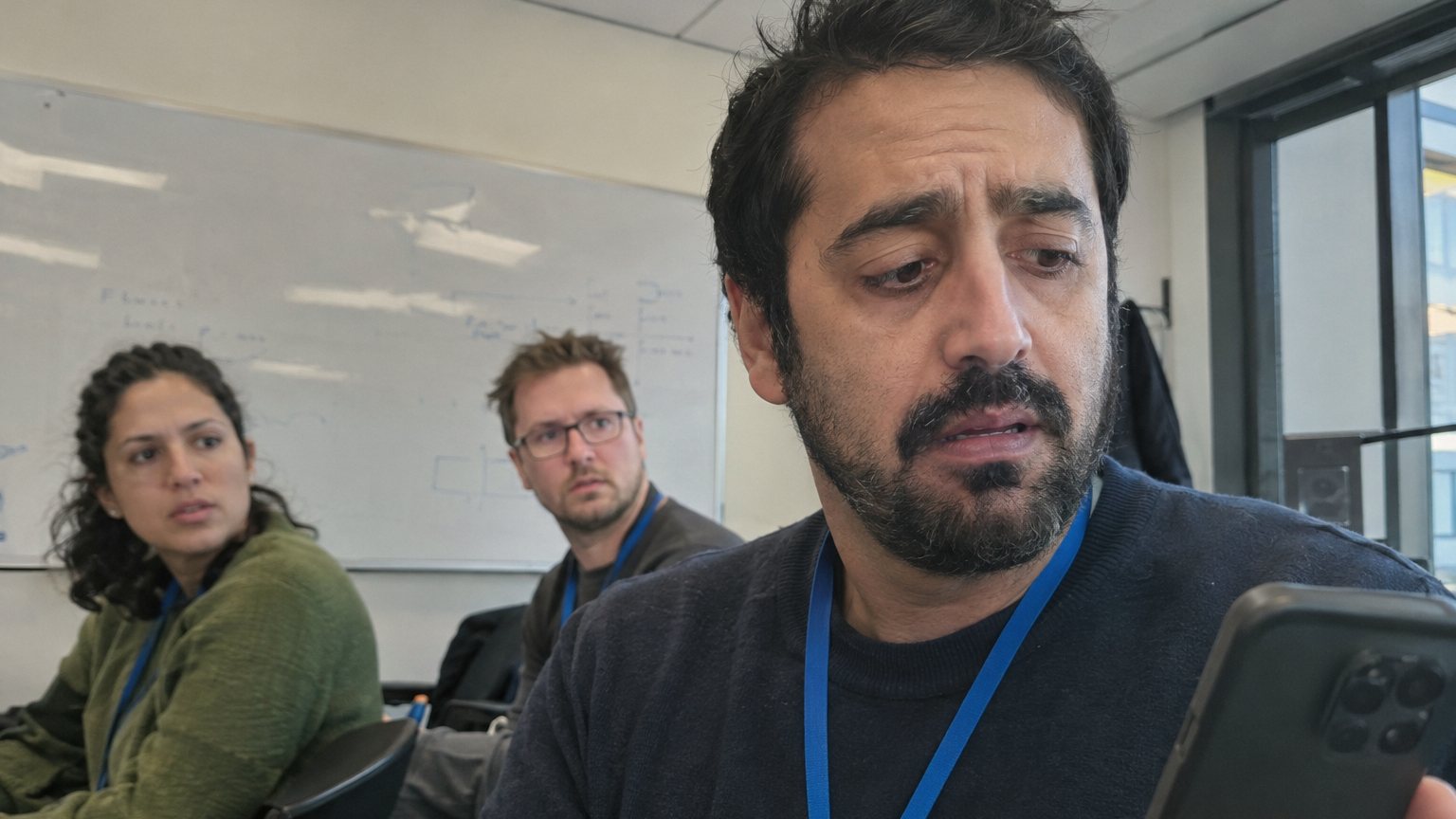
You know the moment. A recruiter calls back. A client wants a quick answer. Your manager writes, “Can you call me?” and suddenly typing feels safer than talking. Email lets you edit. A phone call asks you to think, answer and sound steady at the same time.
That private dodge now has a public trail. AmberWillo analyzed Google Trends and search-volume data pulled through DataForSEO to see how much Americans are looking up phone anxiety. We will get to the growth number at the end. First, why a routine work call can feel so exposed.
- Ordinary two-person phone conversation196words per minute
ISCA Archive / Interspeech 2006 reported an overall average rate of 196 WPM in an English Switchboard corpus.
A normal call gives you less hiding room
The phone is not just email with a voice attached. In a paper archived by ISCA, researchers described an English Switchboard corpus with 2,438 conversations. They calculated the overall speaking rate by adding up the words spoken by both participants and dividing by the elapsed time. The result was 196 words per minute.
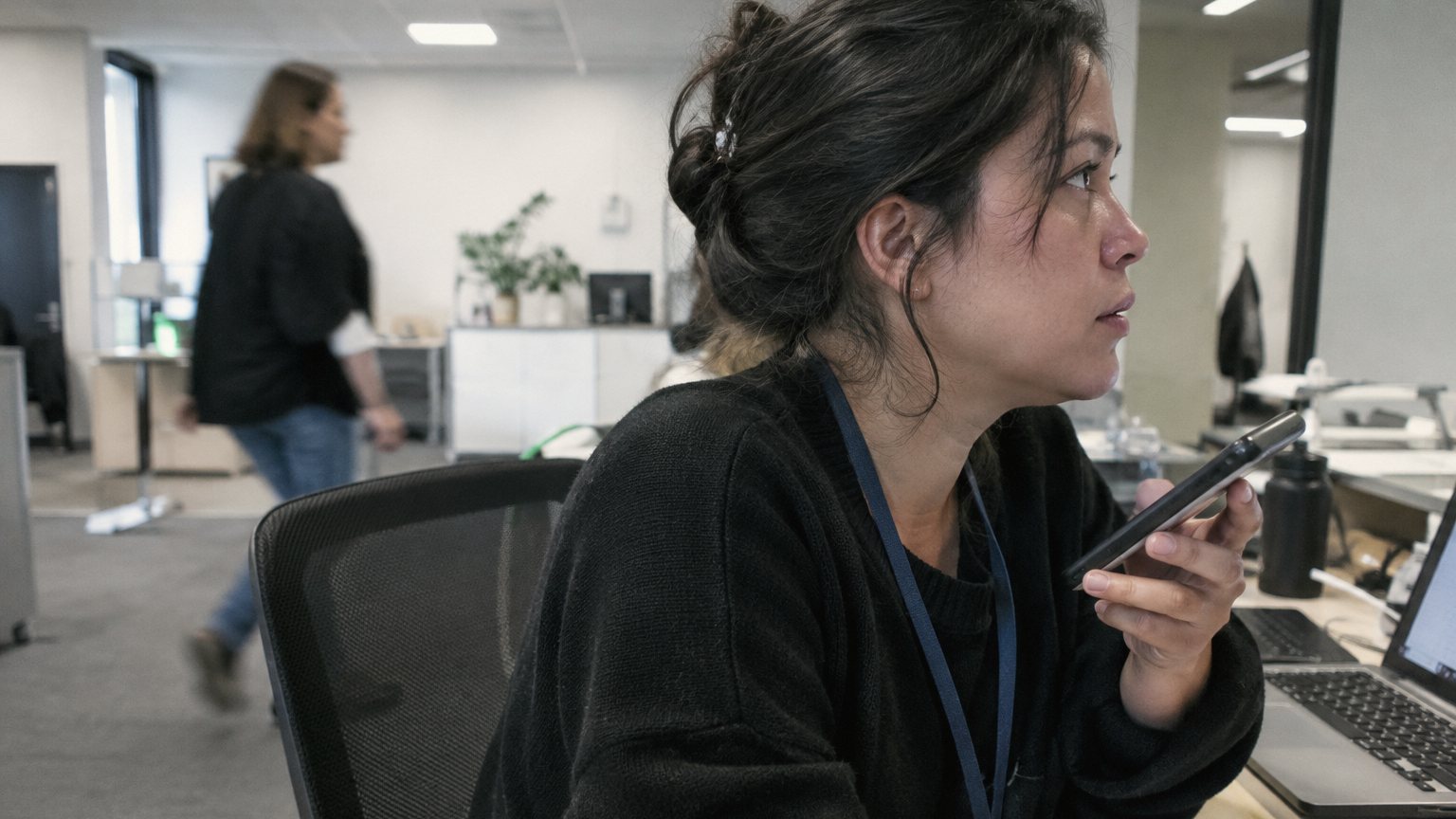
That figure is not a rule for every work call. A recruiter screen, a client escalation and a voicemail all move differently. But it does capture the part that can make calls feel unforgiving. On the phone, you do not get the editing layer that written messages give you. If you lose your place, the silence is part of the exchange.
The comparison avoids a single-week spike
For the search analysis, AmberWillo compared recent U.S. search behavior with an earlier baseline in the same five-year window. The comparison used the last 12 weeks against the first 26 weeks of 2021-2022, rather than one unusual week.
That matters because a single viral post, workplace trend or news cycle can briefly lift a phrase. A longer recent window makes the question cleaner: not whether people searched for the term one time, but whether the level now sits above where it was near the start of the period.
Search data is behavior, not a diagnosis
The search data does not count people with a condition. It counts search behavior in the United States over the past 5 years, pulled on Oct. 15, 2026. Someone might search because they dread calling a client, because they hate voicemail, because a recruiter is waiting, or because they are trying to understand someone else.
Still, search behavior matters because it captures the moment people decide they need language for a problem. The query is not just “I dislike calls.” It is more specific. People are looking up phone anxiety, which means the feeling has become searchable enough to leave a measurable trail. The open question is how large that change is.
How much phone anxiety has grown
The answer: U.S. searches for “phone anxiety” are 180% higher than they were near the start of the five-year window, according to AmberWillo analysis of Google Trends and search-volume data pulled through DataForSEO.
- Searches for “phone anxiety”180% higher
AmberWillo analysis of Google Trends, U.S. weekly data over the past 5 years, and search-volume data via DataForSEO.
That does not prove that work calls are harder than they used to be. It does show that many more Americans are turning the phrase into a search than they were earlier in the period. The private workaround, waiting, emailing, texting or hoping the call goes to voicemail, is not as private as it feels.
What this means for you
If you keep dodging a work call, the point is not to shame yourself into answering faster. Treat the call like a speaking task, not a character test. You can make the first few seconds easier before you dial.
Write the first sentence only. Do not script the whole call. Start with, “Hi, I’m calling about…” and let the next line be simpler.
Say the ask out loud once. If you need a deadline, a decision or a salary number, practice that sentence with your voice, not just in your head.
Prepare one pause line. “Let me think for a second” sounds calmer than filling the silence with apologies.
Use voicemail as practice. A short voicemail is still live speaking. Keep it to your name, the reason you called and the next step.
Sources