Nervous about public speaking? See how your practice habit compares with others
Before your next presentation, interview answer, meeting update or toast, the national fear benchmark may feel reassuring. The sharper self-check is what you do before you speak.
 By Maria Lee·
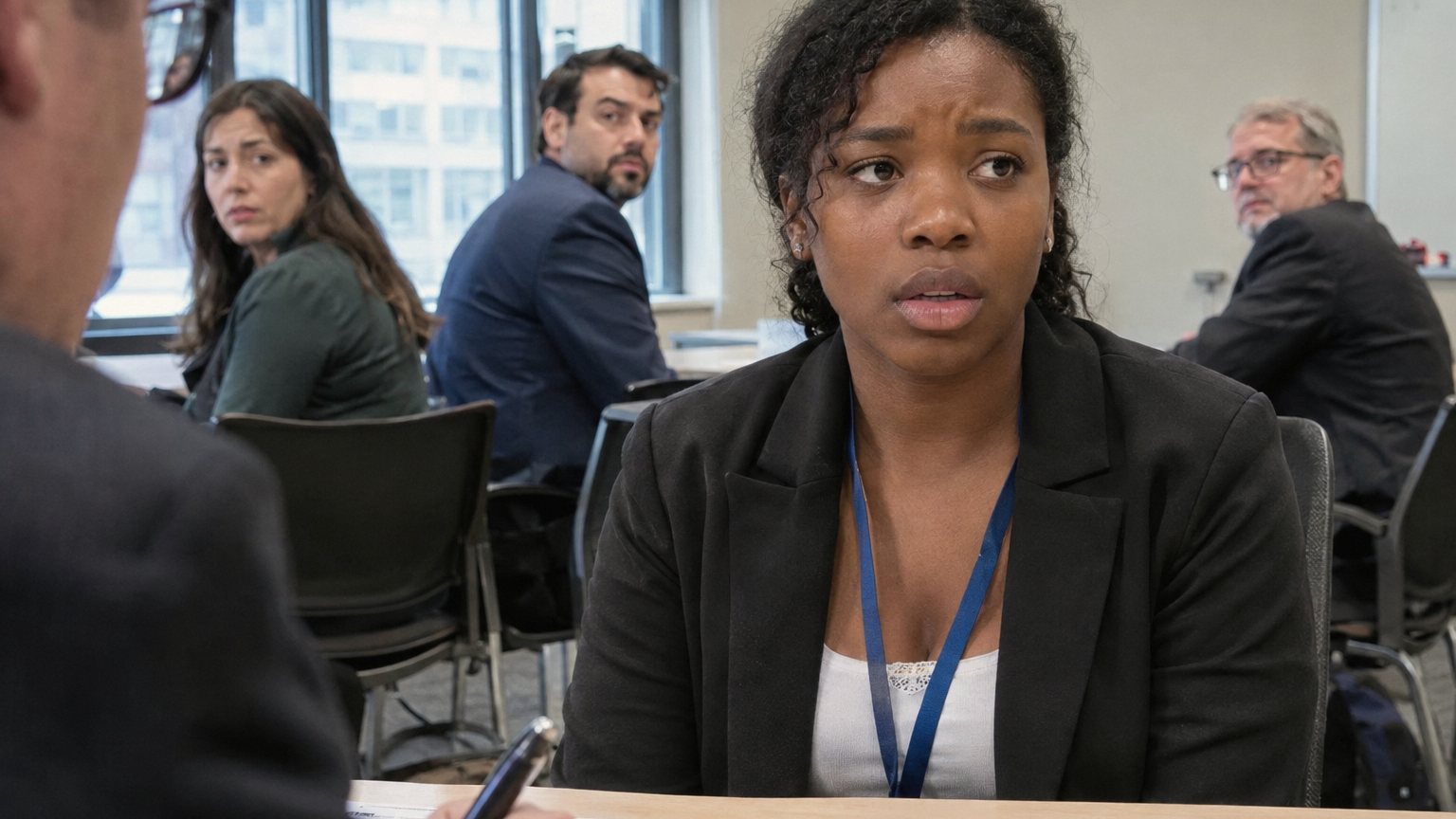
You know the feeling before you have to speak. The presentation is on your calendar. The interview question could come any minute. Someone may ask for your update in a meeting, or hand you a toast, and your stomach drops before your mouth opens.
If that makes you wonder whether you are unusually bad at public speaking, the national benchmark is lower than dread can make it feel. Chapman University’s 2025 Survey of American Fears reports that about 34% of Americans said they were afraid or very afraid of public speaking. But that answers only the first question. The second one is more practical: when fear shows up, how does your practice habit compare with other people trying to get better?
- Afraid or very afraid of public speaking34%
Chapman University Survey of American Fears Wave 11, 2025. Chapman’s listed public-speaking figure is rounded here to a whole percentage.
The national number is a benchmark, not a verdict
Chapman’s public-speaking figure comes from a nationally representative U.S. adult survey conducted by SSRS for Chapman University’s Wilkinson College. The survey sample was 1,015 adults, with a reported margin of error of about 4 percentage points, according to the university’s 2025 materials.
That makes the benchmark useful because it is not limited to people who signed up for help, people with a big talk coming up or people who already think of themselves as nervous speakers. It is a broad read on American adults. Roughly a third reported fear or strong fear of public speaking.
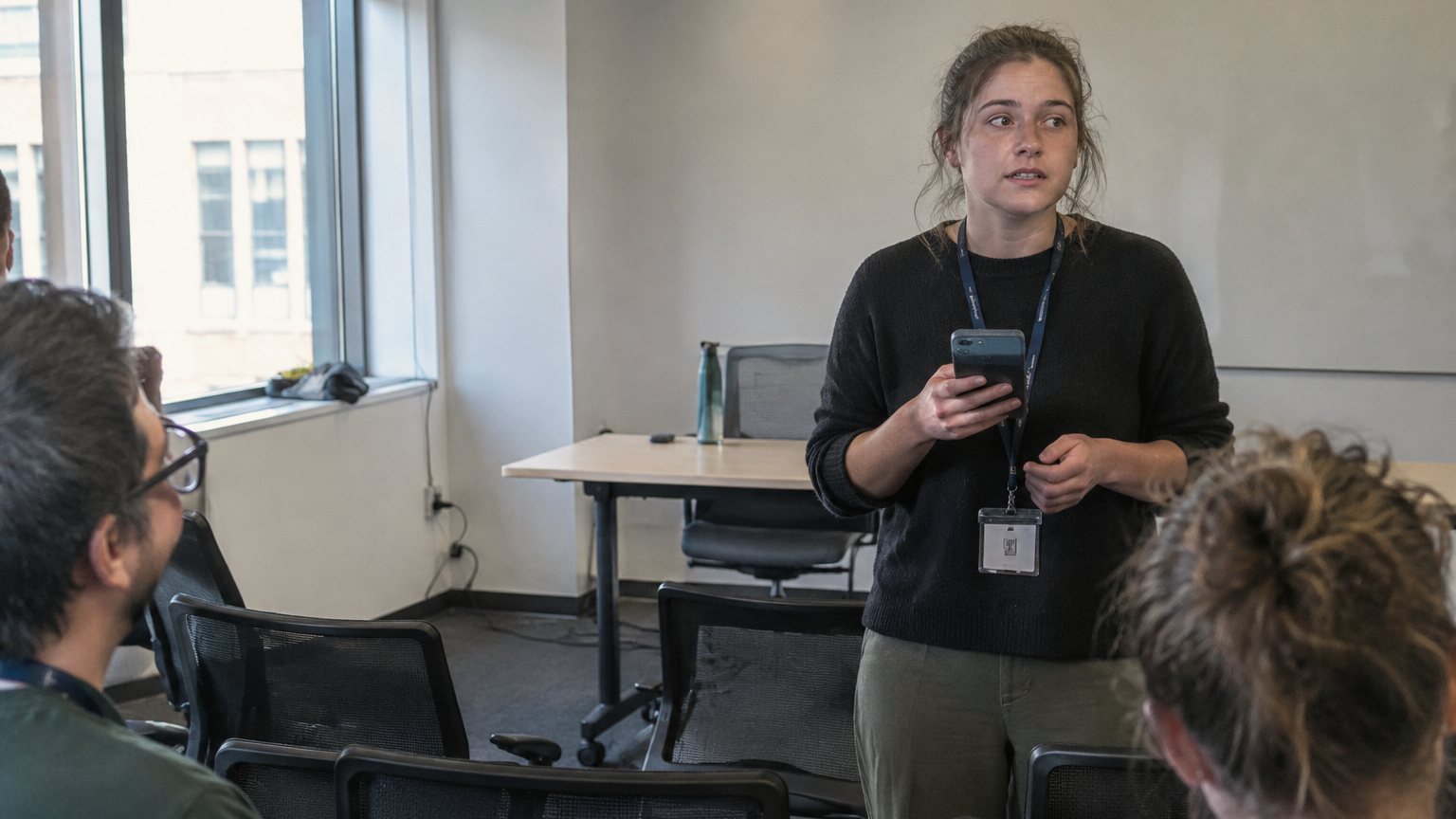
The survey question is about fear, not preparation
The Chapman table describes people who reported being afraid or very afraid. That wording matters. It does not count every flutter before a meeting, and it does not separate a mild preference from the kind of dread that changes how you prepare.
It also does not tell you what people do next. A national fear number can be comforting for about five seconds. If you have a job interview tomorrow, it helps to know you are not alone. It does not tell you whether your own behavior before the moment is common, rare or somewhere in the middle.
Among people already working on speaking nerves
To look at that second question, AmberWillo reviewed 1,851 onboarding answers from people who signed up to work on their speaking nerves between Dec. 8, 2025, and Oct. 8, 2026. This is not a sample of all Americans. It is a narrower group: people who had already decided their speaking needed attention.
That narrower group is useful for a different reason. If you are reading this before a presentation, interview answer, meeting update or toast, you may not be asking, “Do people in general fear this?” You may be asking, “What do people like me actually do before they have to speak?” We will get to that comparison now.
How your practice habit compares
Among speaking-improvement users, the largest practice group was not daily, weekly or occasional. It was the people who said they do not practice: 1,060 people.
- Never1060people
- Occasionally603people
- Daily96people
- Weekly92people
AmberWillo onboarding answers from people working on speaking nerves, Dec. 8, 2025 to Oct. 8, 2026. Counts are aggregates only.
So if you are nervous before speaking and you have not practiced out loud, you are not in some strange exception inside this group. You are in its largest practice category. The sharper comparison is not only whether you feel afraid. It is whether you are in the smaller group that practices anyway.
What this means for you
Public-speaking fear does not put you outside the norm. Chapman’s national survey puts it at roughly a third of U.S. adults. But your next move is not decided by that benchmark.
Use the practice comparison instead. Before your next speaking moment, do one short round out loud. Make it specific: answer one likely interview question, give one meeting update, open one slide, or say the first lines of a toast. Keep it short enough that you will actually do it. The goal is not to become fearless in one session. It is to keep the first spoken version from happening when someone is already judging it.
Sources
- Chapman University Survey of American Fears Wave 11 alphabetical list, 2025
- Chapman University Newsroom, Chapman Survey of American Fears 2025
- AmberWillo onboarding answers, n = 1,851, Dec. 8, 2025 to Oct. 8, 2026, anonymized and aggregated