This is how often women who avoided asking for higher pay felt uncomfortable
If the higher-pay sentence gets stuck before you say it, the discomfort is measurable, and it does not land the same way for women and men.
 By Maria Lee·
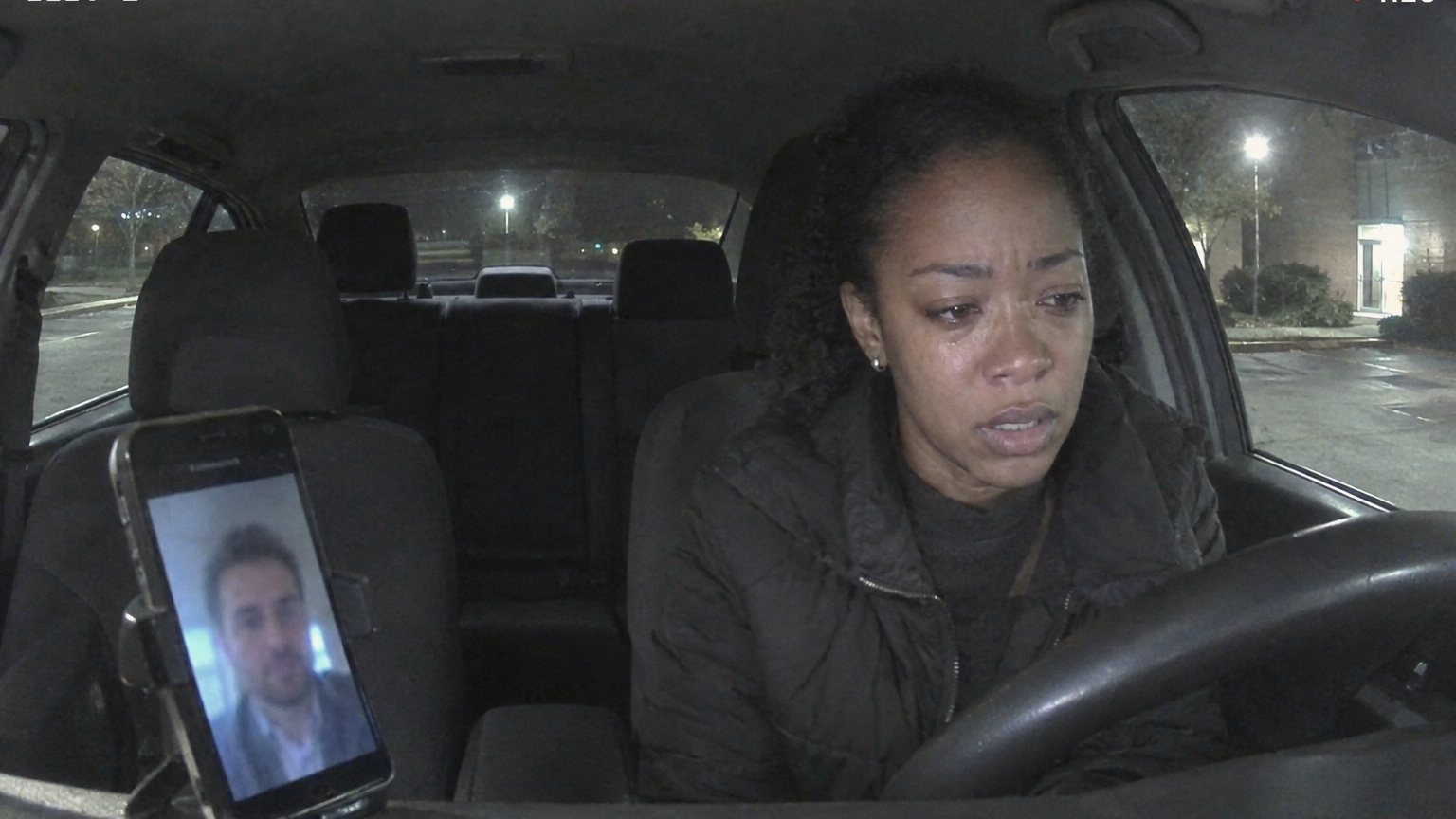
In 2023, 42% of women who avoided asking for higher pay felt uncomfortable, versus 33% of men and 38% overall. Pew Research Center reported those figures in its U.S. worker survey. But for a woman facing an offer call, review meeting or year-end pay talk, the discomfort is not only private nerves. It is a measurable barrier in a money conversation.
Pew said most U.S. workers who were not self-employed did not ask for higher pay than what was initially offered the last time they were hired for a job. Among the workers who did not ask, 38% said they did not feel comfortable asking. The gender split was 42% for women and 33% for men.
Pew's survey covered 5,188 employed workers
The Pew article was published April 5, 2023, and drew on a survey of 5,775 U.S. adults. That included 5,188 adults who were employed part time or full time, were not self-employed and had 1 job, or had more than 1 job but considered 1 of them primary.
Pew said all the workers who took part were members of its American Trends Panel, an online survey panel recruited through national, random sampling of residential addresses. The survey covered U.S. adults ages 18 and up, and the pay question looked at the last time workers were hired.
The higher number has to leave your mouth
A pay request is a speaking moment before it is a money outcome. You have to say a number, hold your voice steady and wait for a reaction. That is closer to a high-stakes conversation than a prepared speech, which is why the difference between communication vs public speaking is useful at work.
Pew measured comfort among workers who stayed quiet: 38% overall, 42% of women and 33% of men. A 2005 working paper by Hannah Riley Bowles, Linda Babcock and Lei Lai adds a second layer. The person evaluating the ask can affect whether someone chooses to negotiate at all.
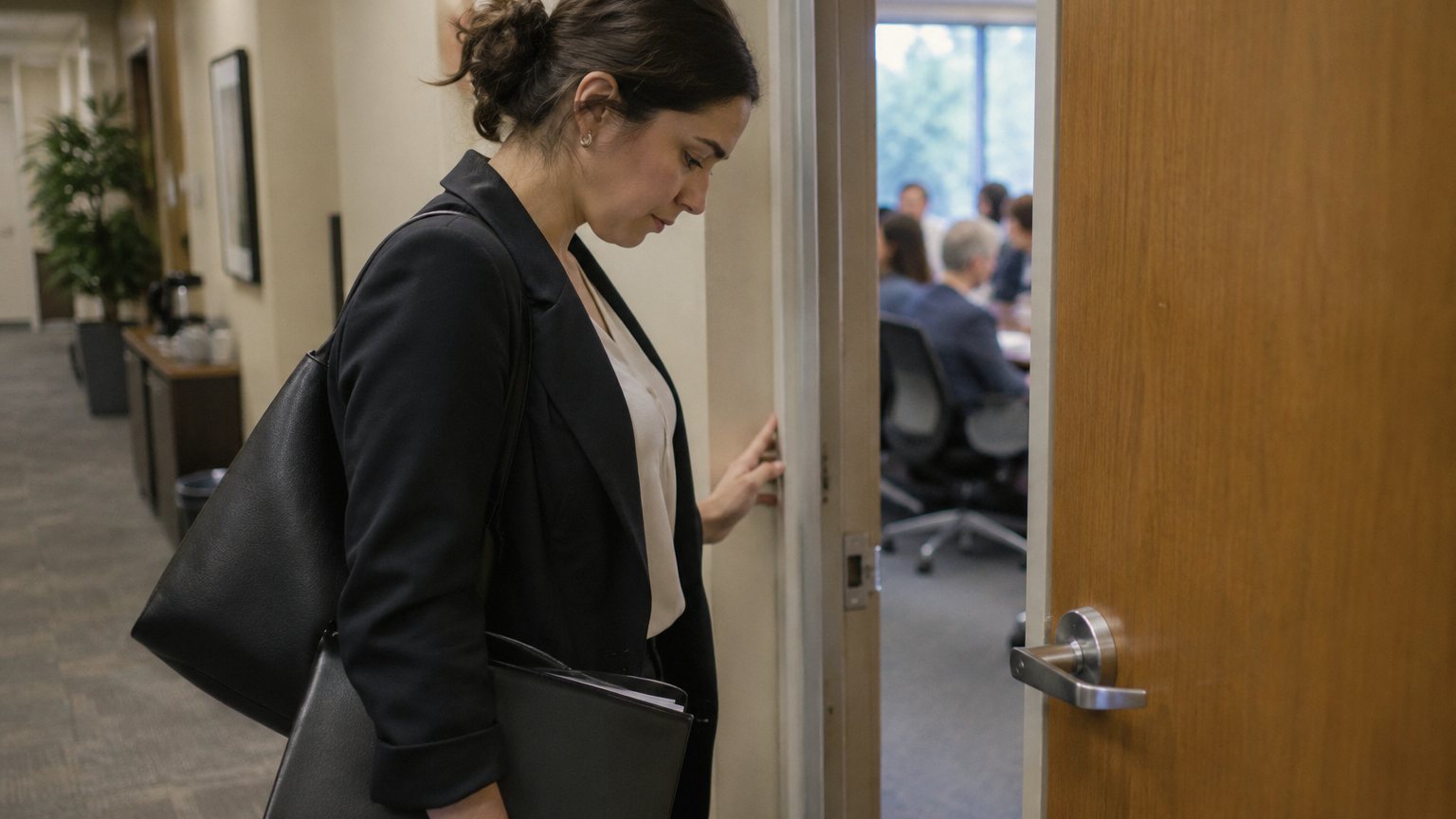
Why can the evaluator change the decision?
Bowles, Babcock and Lai wrote that 2 experiments found sex differences in the tendency to initiate negotiations could be explained by differential treatment of men and women when they attempted to negotiate. The paper was published in July 2005 through SSRN and Harvard Kennedy School.
The authors also reported that women were less likely than men to choose to negotiate when the evaluator was male, but not when the evaluator was female. They wrote that women's nervousness about negotiating with male evaluators helped explain the effect. The public abstract names Experiment 2 participants, but the exact N was not visible there.
The offer-call version stays narrow
Pew's 2023 question was not about every raise request, every performance review or every pay talk. It focused on the last time workers were hired. The measured moment was whether workers asked for higher pay than what was initially offered, then why those who did not ask stayed quiet.
Take a worker who receives an offer and thinks the pay should be higher. If she does not say the higher-pay sentence because it feels uncomfortable, she fits the 42% women's group in Pew's did-not-ask category. A man in the same comfort barrier fits the 33% men's group. Across all workers who avoided the ask, Pew's benchmark was 38%.
Women were at 42%, men at 33%
The full Pew gender breakdown has 3 benchmarks for workers who did not ask for higher pay. The all-worker figure was 38%. The men's figure was 33%. The women's figure was 42%. The table is only about people who did not ask, not everyone who was hired.
| Gender group | Said they did not feel comfortable asking |
|---|---|
| All workers who didn’t ask for higher pay | 38% |
| Men | 33% |
| Women | 42% |
Share of workers who did not ask for higher pay and said they did not feel comfortable asking
The table gives the personal benchmark. If you are a woman who avoided the ask because it felt uncomfortable, you are inside the 42% group Pew reported. If you are a man who felt the same, you are inside the 33% group. Across all workers who avoided the ask, the share was 38%.
What this means for you
If you froze before a pay request, the 2023 Pew number gives that feeling a name without turning it into a personal flaw. A large share of workers who did not ask said comfort was the barrier, and the share was higher for women, at 42%, than for men, at 33%.
Before your next pay conversation, write the exact sentence you want to say. Practice it out loud until the words sound ordinary. If the evaluator makes you nervous, keep the ask short, factual and repeatable: the role, the result, the pay request. You are not trying to sound fearless. You are trying to make the sentence possible.
Sources