Keeping proof at work is not rare. This is how many workers do it
After a tense one-on-one, saving notes or messages can feel defensive. A workplace survey puts that private habit in context.
 By Maria Lee·
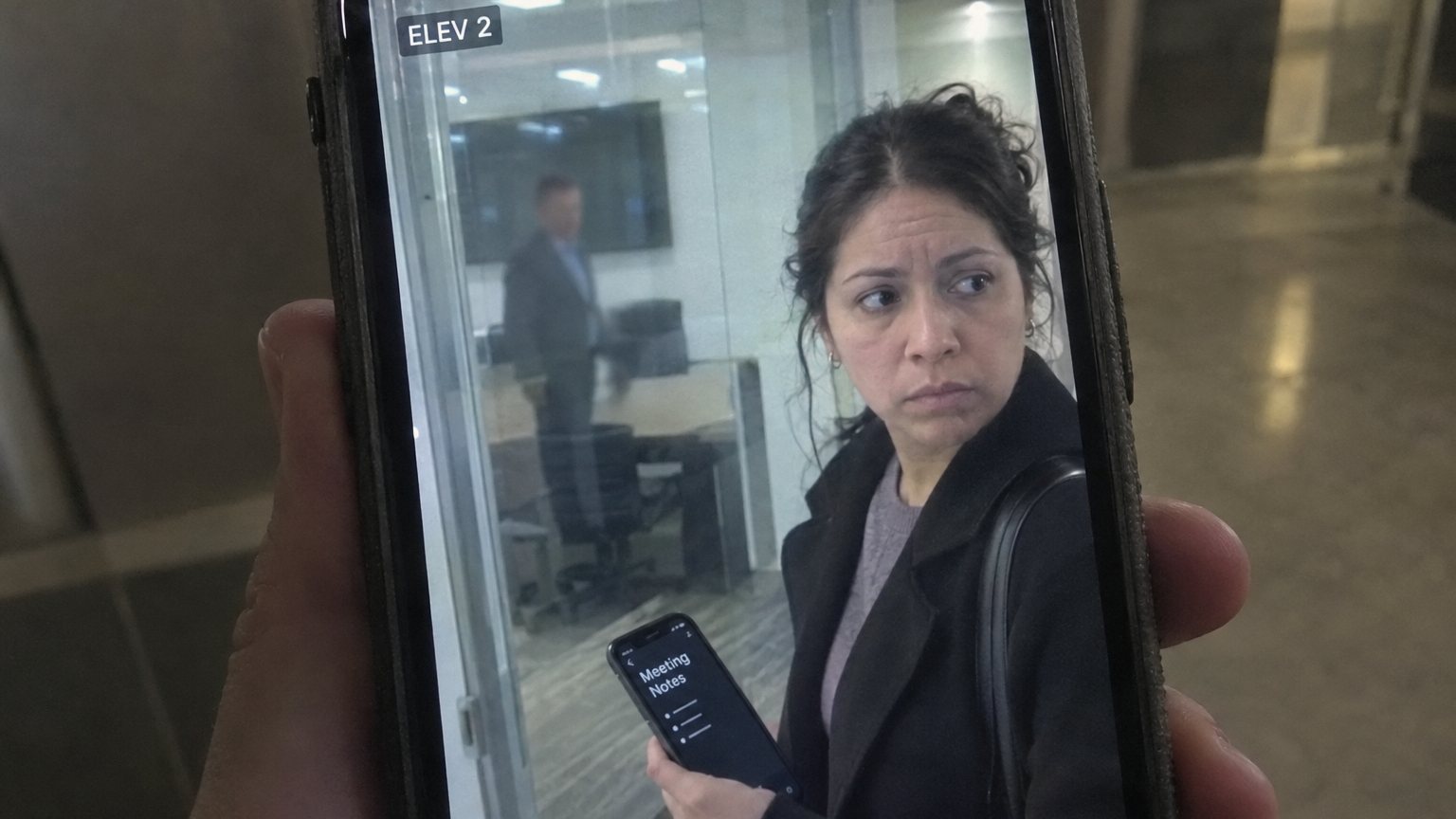
At work in 2026, 74% of U.S. workers saved documentation for proof later, and 45% document more than five years ago. ResumeBuilder.com reported the figures in a workplace survey published by CPA Practice Advisor on Nov. 5. But the uneasy part is where the habit shows up: one-on-ones, reviews and pay talks where your words can feel high-stakes.
The finding turns a familiar private move into a majority behavior. You leave a manager conversation, replay the sentence you wish you had phrased better, then save a message thread or write a recap. The 74% figure says that instinct is not rare among U.S. workers.
The worker benchmark came from more than 1,000 people
CPA Practice Advisor described the ResumeBuilder.com survey as covering more than 1,000 U.S. workers. The opened source did not state fieldwork dates or a more exact respondent profile, but it did state the central workplace benchmark: 74% intentionally saved documentation in case they needed proof later.
The same report said workplace conversations are increasingly going on the record. Its second broad figure was 45%: the share of workers who say they document workplace interactions more often than they did five years ago.
Careful notes begin with careful words
The speaking side starts before the note is saved. ResumeBuilder.com reported that 32% of workers document one-on-one meetings with direct managers. That places the proof habit inside a private conversation where you may need to ask, explain, disagree or correct the record.
If a manager chat might be documented later, your voice can become more careful in the moment. You may choose safer words or sound more formal than usual. For many professionals, noticing voice modulation in public speaking is part of noticing how pressure changes the conversation.

Reviews put 26% of workers into documentation mode
Performance reviews were another documented interaction in the report. ResumeBuilder.com put that share at 26%. A review is already a speaking test for many professionals: you summarize your work, respond to feedback and try to sound confident without sounding defensive.
Take a worker leaving one performance review. The survey does not say what happened in that specific review, and it does not say every saved note follows conflict. It does say 26% of workers document performance reviews, beside the broader 74% who have saved workplace documentation for proof later.
Why does a pay talk get saved less often?
Compensation or salary discussions were documented by 19% of workers, according to ResumeBuilder.com. That is lower than the 32% manager-meeting figure and the 26% performance-review figure, but the stakes can feel larger because the conversation touches pay.
A pay discussion asks you to say numbers, value and expectations out loud. If you are nervous, the record may feel safer than the live sentence. The report’s 19% figure gives that moment a benchmark without claiming why each worker saved it.
Manager meetings, reviews and pay talks in one view
Among the workplace interactions named in the opened report, one-on-one meetings with direct managers were described as the most commonly documented. The table below keeps the three reported conversation types together, with the exact shares ResumeBuilder.com gave.
| Interaction named by ResumeBuilder.com | Share of workers |
|---|---|
| One-on-one meetings with direct managers | 32% |
| Performance reviews | 26% |
| Compensation or salary discussions | 19% |
Workplace interactions workers said they document
The pattern is practical. The highest listed category is the manager conversation, at 32%. Reviews follow at 26%. Pay talks are lower at 19%, but they are still part of the same record-keeping habit.
What this means for you
If you save notes after a tense work conversation, you are in a large group. Keep the habit factual. Write down what was said, what was agreed and what you need to do next, rather than replaying the whole meeting again.
Before a one-on-one, review or pay talk, prepare one sentence you need to say clearly. Afterward, send or save a brief factual recap if that fits your workplace norms. Proof can protect the record, but your goal in the room is still to speak plainly enough that the record starts clean.
Sources