This is how often job seekers get ghosted after a job interview
The quiet stretch after a promising interview can turn one follow-up call or email into a test of confidence.
 By Maria Lee·
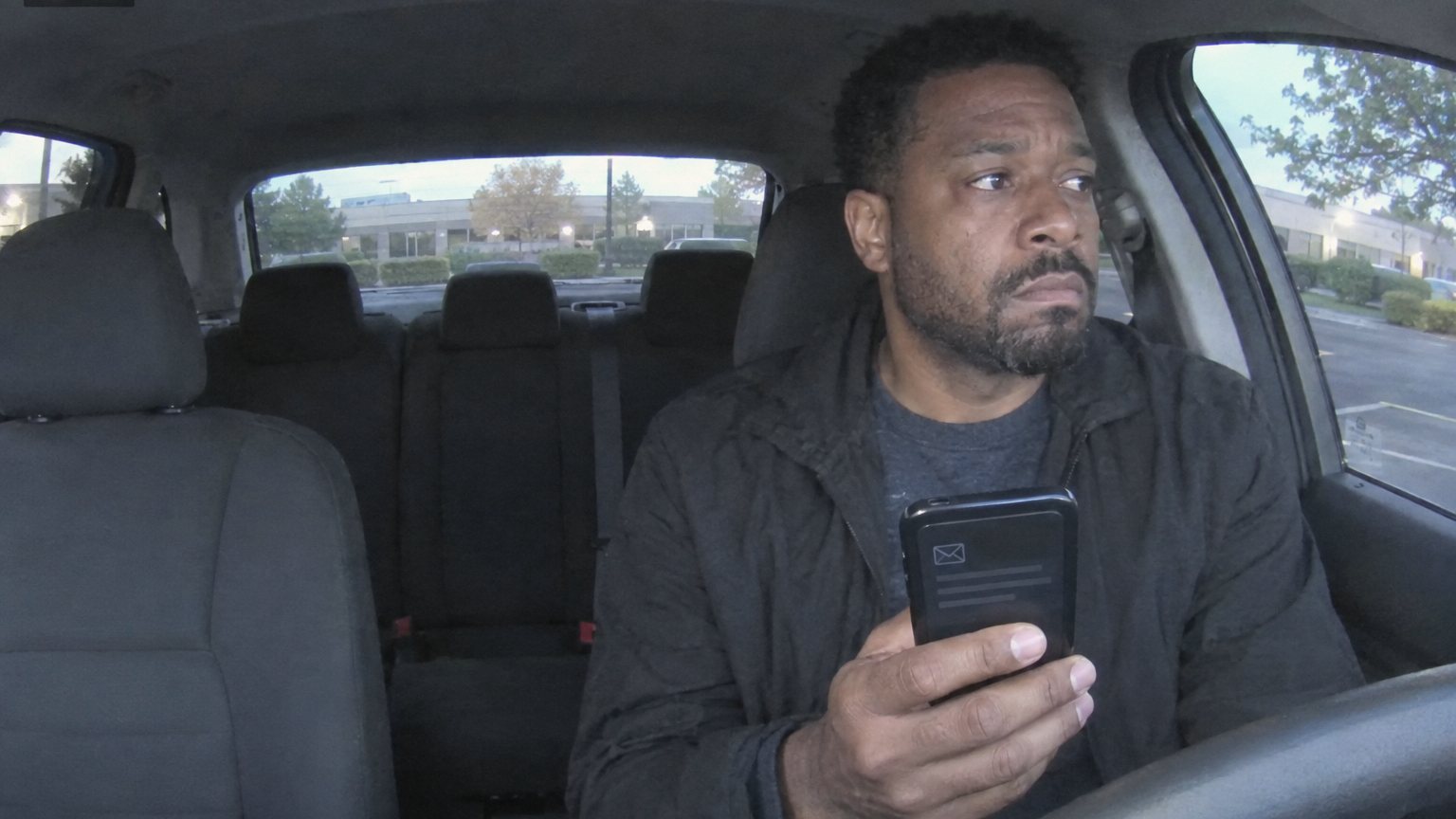
In 2024, 61% of job seekers had been ghosted after an interview, including 66% of historically underrepresented job seekers and 59% of white candidates. Greenhouse reported the after-interview ghosting figures in its State of Job Hunting work. But the number lands hardest in the quiet stretch after you have already spoken, answered, smiled and then heard nothing.
Greenhouse described the report as a survey of 2,500 workers across the US, UK and Germany. For a U.S. professional waiting after an interview, the 61% figure turns silence from a private embarrassment into a common job-search experience.
The job hunt was already anxious for 79%
The same Greenhouse report said nearly half of U.S. workers were actively job-hunting, and 79% admitted feeling heightened anxiety in the current job market. Those figures put the post-interview wait inside a wider search that many workers already experience as tense.
That tension can change the next move. A follow-up email may be only 3 sentences, but after an interview it can feel like another performance. You are not only checking a timeline. You are asking to be acknowledged after silence.
The follow-up message asks for a voice again
Indeed’s 2026 U.S. State of the Job Seeker survey adds the coping side. It reported that 47% of job seekers had paused their search for at least 1 week because they felt completely overwhelmed, rising to 67% among active job seekers.
Ghosting is measured as silence, but the stressful part often becomes speech. You decide what to say, whether to call, how confident to sound and whether one more message will seem pushy. If it feels close to a fear of shame, the hard part may be the next sentence, not the résumé.
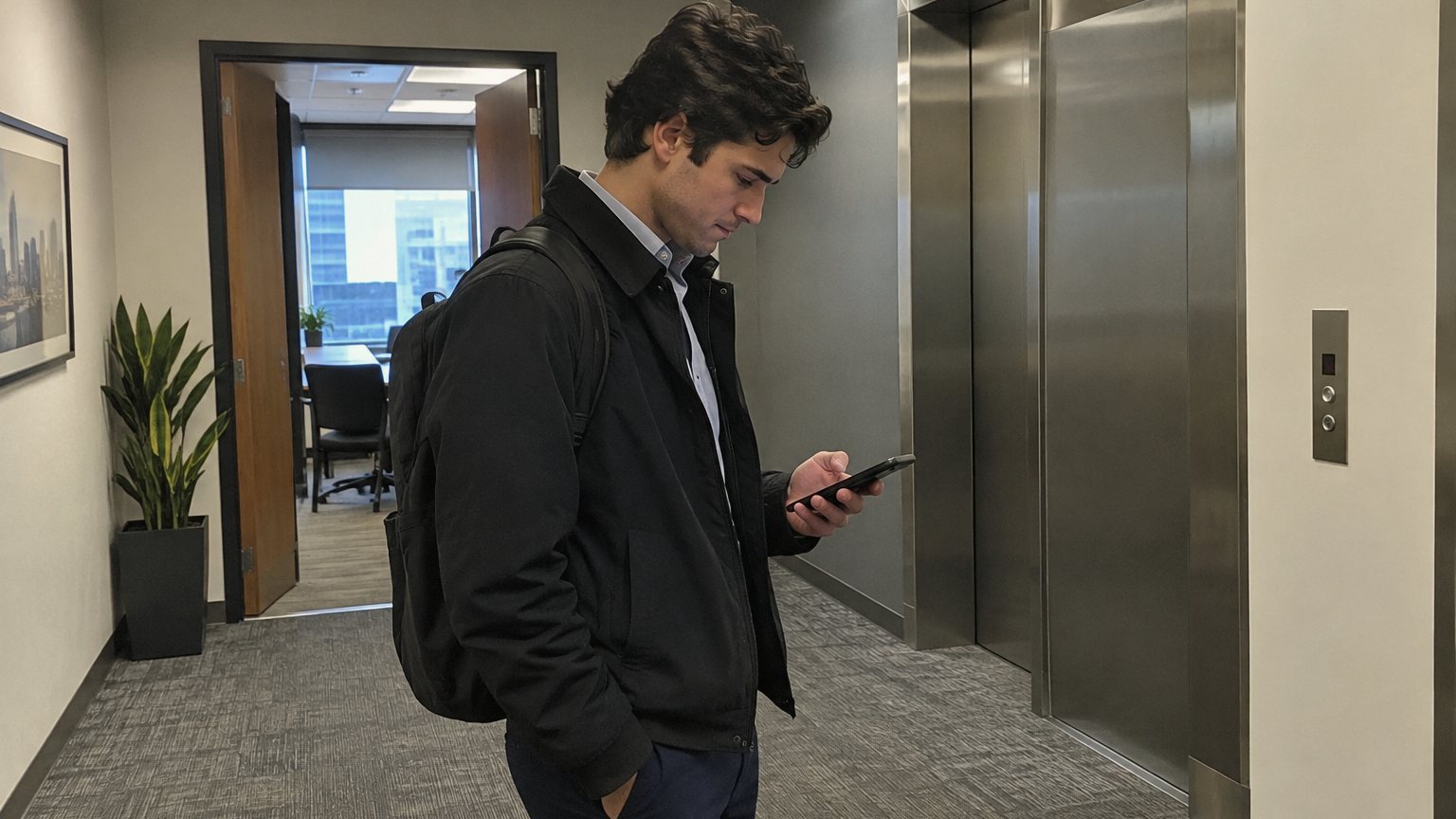
Forty-one percent of active seekers report a mental-health hit
Indeed reported that 41% of active job seekers said the process had degraded their mental health. Its U.S. State of the Job Seeker survey was conducted online by YouGov for Indeed from August 6-15, 2026.
The Indeed sample included 1,501 job seekers in full- or part-time employment or temporarily unemployed, all open to a new job in the U.S. Indeed said the survey was weighted to represent the U.S. working population.
The nine-point jump changes the wait
Greenhouse also reported that the 61% ghosting figure was a nine percentage point increase since April 2024. That rise gives the after-interview silence a time marker. The wait is not only one recruiter taking too long or one inbox you keep checking.
Take an active job seeker who waits at least 1 week after an interview and feels the search slipping. Greenhouse puts interview ghosting at 61%. Indeed puts at-least-a-week pauses at 67% among active job seekers and the mental-health hit at 41% of active job seekers. The data does not say ghosting causes those pauses. It says both are common in the same job-search world.
Every group in the interview-ghosting breakdown
The Greenhouse figures give a simple benchmark for the silence after an interview. The table keeps the group labels as reported and shows the share who have been ghosted after a job interview.
| Group | Share ghosted after an interview |
|---|---|
| all workers | 61% |
| historically underrepresented job seekers | 66% |
| white candidates | 59% |
Share of job seekers who have been ghosted after a job interview
What this means for you
If you have been waiting after an interview and feel embarrassed about following up, your reaction is happening inside a majority experience. The Greenhouse number is 61%, not a tiny fringe. Silence after an interview is common enough to plan for.
Write the follow-up before you need it. Keep it short, neutral and specific: thank them, name the role and ask about the timeline. If calling feels harder than writing, say 1 sentence out loud first. You are closing the loop on a professional conversation.
Sources