After the holidays, job seekers search this interview opener much more
It is January, an interview invite lands, and the opening answer suddenly feels harder than your résumé.
 By Maria Lee·
US job seekers searching “tell me about yourself” reached 123% near January 26, 2026, versus 46% near December 14. The figures come from Google Trends and Google Ads data pulled Nov. 3, 2026 via DataForSEO. By our calculation, the late-January level is about 2.7 times the mid-December low. But the pressure starts before the scripted answer, especially for candidates who worry how they sound when the call opens.
Search interest rises about 2.7 times after the holiday low
The searched opener is the one almost every candidate expects: “tell me about yourself.” Over the past 5 years, US Google searches for that phrase peaked on average in the week of January 26, at 123% of the topic’s average week.
The low point came in the week of December 14, at 46% of the topic’s average week. Dividing 123 by 46 gives roughly 2.7. That is the after-holidays jump behind the opener.
Your voice arrives before the rehearsed answer
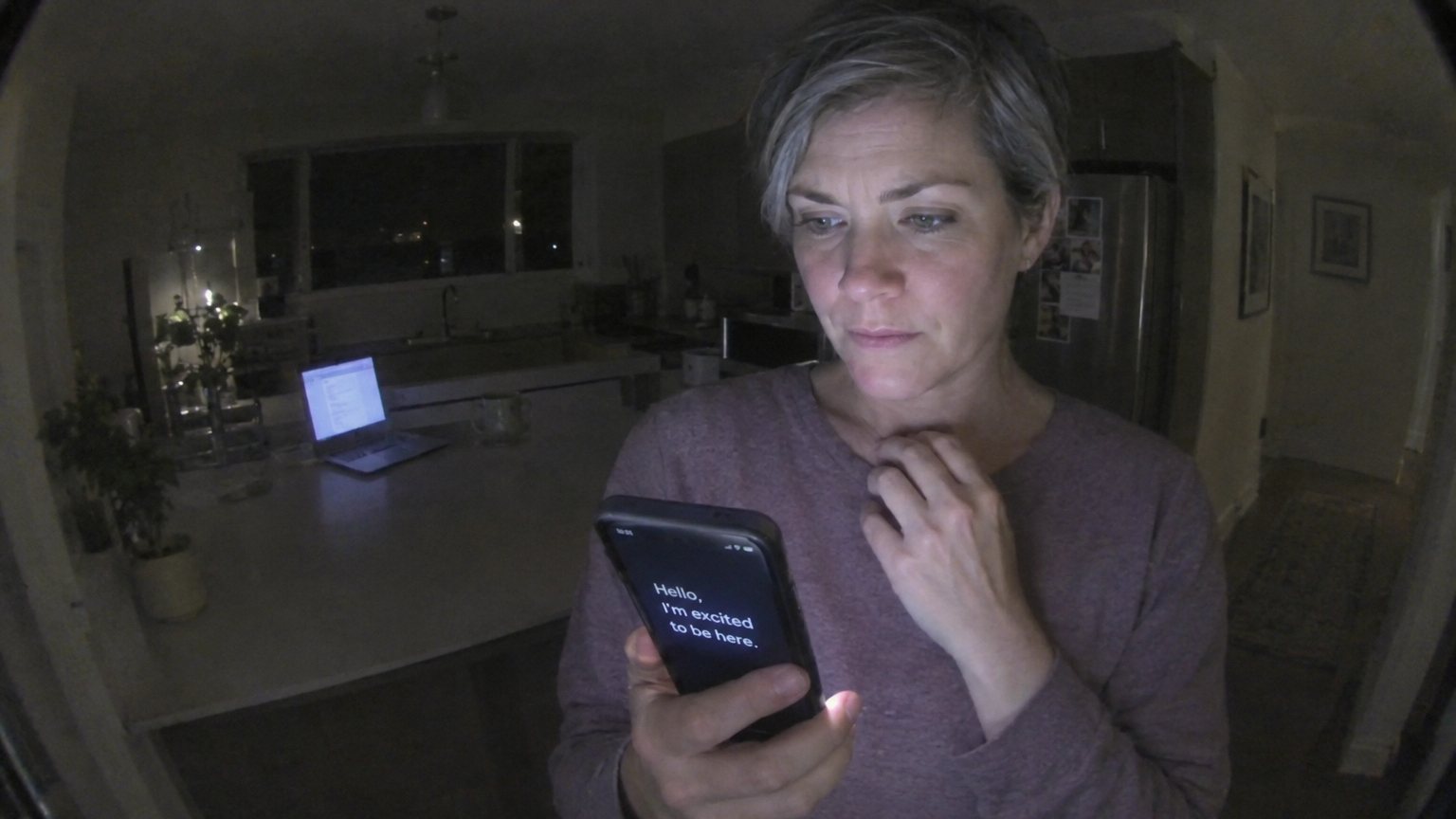
For nervous candidates, the search spike is not only about finding better words. It is about the first spoken moment: saying hello, hearing your own voice, and trying to sound confident before you have settled into the conversation.
That is why the opener can feel larger than a memorized paragraph. If your voice goes thin, fast or overly careful, the answer can feel shaky before the content arrives. People who want a steadier public speaking voice often start with the same practical problem: hearing what changes when pressure is on.
Why does the opener spike after the holidays?
The Google data does not say why each searcher typed the phrase. It does place the average high week at January 26, after the average low week of December 14. That pattern fits the familiar restart of hiring conversations after the holidays.
Take a candidate who ignored interview prep in mid-December, then got a recruiter email in late January. The search environment around the opener has moved from 46% of an average week to 123%. The same question can feel more urgent when preparation suddenly looks common again.
320 people rated 64 brief hellos
A PLOS ONE paper published in 2014 gives the pressure a sharper edge. In a mass online rating experiment, 320 participants rated 64 sub-second vocal utterances of the word “hello” on one of 10 personality traits.
The study did not test job interviews, and it did not say a recruiter makes a final decision from a greeting. It did measure something candidates recognize on phone screens and video calls: a very short voice sample can still be enough for listeners to make personality ratings.
Every benchmark behind the January opener
The table puts the search wave and the voice-impression study side by side. One source measures when people look for the interview opener. The other measures how many listeners and voice clips were involved when researchers tested brief vocal impressions.
| Measure | Number | What it covers |
|---|---|---|
| Late-January search level | 123% | US searches for “tell me about yourself” in the average peak week of January 26 |
| Mid-December search level | 46% | US searches for the phrase in the average low week of December 14 |
| Peak-to-low difference | about 2.7 times | Calculation: 123 divided by 46 |
| Search window | past 5 years | Google Trends and Google Ads data pulled Nov. 3, 2026 via DataForSEO |
| Online raters in the voice study | 320 participants | PLOS ONE mass online rating experiment |
| Hello clips in the voice study | 64 utterances | Sub-second vocal utterances of the word “hello” |
| Personality traits rated | 10 traits | Each participant rated clips on one personality trait |
Search and voice-impression benchmarks behind the interview opener
What this means for you
If you are searching “tell me about yourself” in January, you are in a predictable rush, not a private panic. The phrase rises after the holidays, and the low-to-high move is large: 46% to 123% of an average week.
Practice the answer, but do not make the answer your first spoken word of the day. Say hello out loud. Say your name. Then give the opener in a calm, plain sentence. Your goal is not to sound perfect. It is to start before nerves take the microphone.
Sources