If job hunting makes you anxious, this is how many workers agree
When an interview ends and the inbox stays quiet, your mind can replay every answer. A 2024 benchmark puts that anxious job hunt feeling into context without judging your performance.
 By Maria Lee·
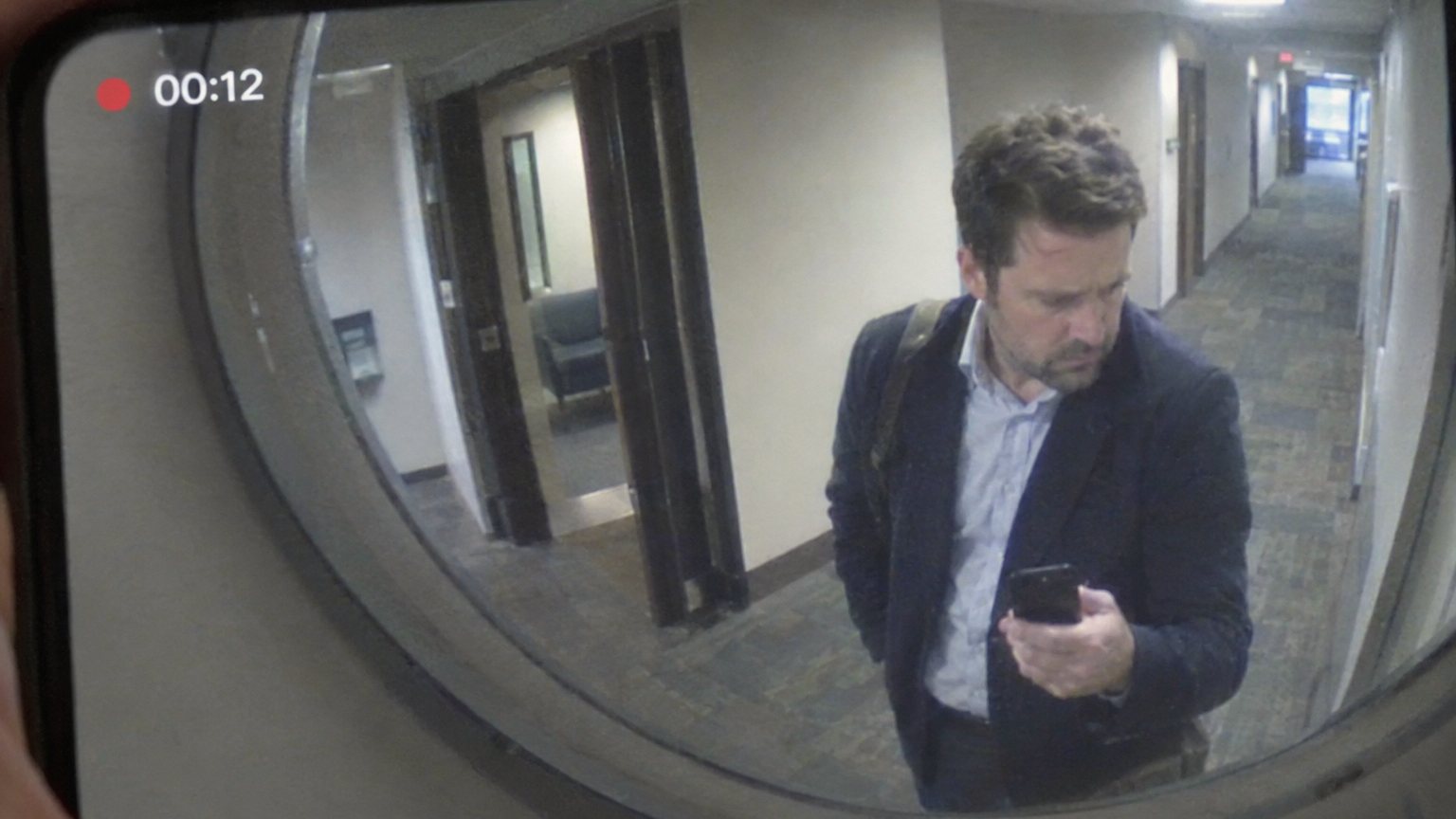
In 2024, 79% of US workers felt heightened job-market anxiety, and 61% of job seekers reported interview ghosting. Greenhouse reported both figures in its 2024 State of Job Hunting report. But for the person waiting after a conversation, the hard part is personal: you spoke, you tried to sound confident, and then the inbox stayed quiet.
Nearly half were looking while anxiety ran high
Greenhouse described the report as a survey of 2,500 workers across the US, UK and Germany. Its public post said nearly half of US workers were actively job-hunting, while 79% admitted feeling heightened anxiety in the current job market.
The report's geography matters. Greenhouse gave the full survey base as 2,500 workers across the US, UK and Germany. But the anxiety line in the public post is specifically about US workers. That keeps the benchmark useful if you are applying in the US, without turning the international sample into a US-only sample.
Those figures put interview nerves inside a wider labor-market mood. The post was published on Dec. 10, 2024, a point when job seekers were not only preparing answers, but also managing a market that many experienced as tense before the first question was asked.
Why does the quiet inbox feel so personal?
The speaking side begins once the interview is over. You may replay what you said, how your voice sounded, whether you answered clearly and whether you seemed confident. People looking for reasons for speech anxiety often recognize that after-conversation replay.
Greenhouse called interview ghosting disrespectful behavior and said it was on the rise. Its post put the share at 61% of job seekers after a job interview. Silence after a call can feel like feedback, even when the source only reports that no response came.
Interview ghosting climbed by 9 percentage points
The Greenhouse post said 61% of job seekers had been ghosted after a job interview, a 9 percentage point increase since April 2024. It did not say why employers went quiet, or whether candidates later heard back.
The increase gives the waiting period a different frame. A candidate can leave a video call at 10 a.m., think about the answer all afternoon, and still have no reply that evening. Greenhouse's number is about job seekers, not the quality of any one answer.
A one-interview week can carry both pressures
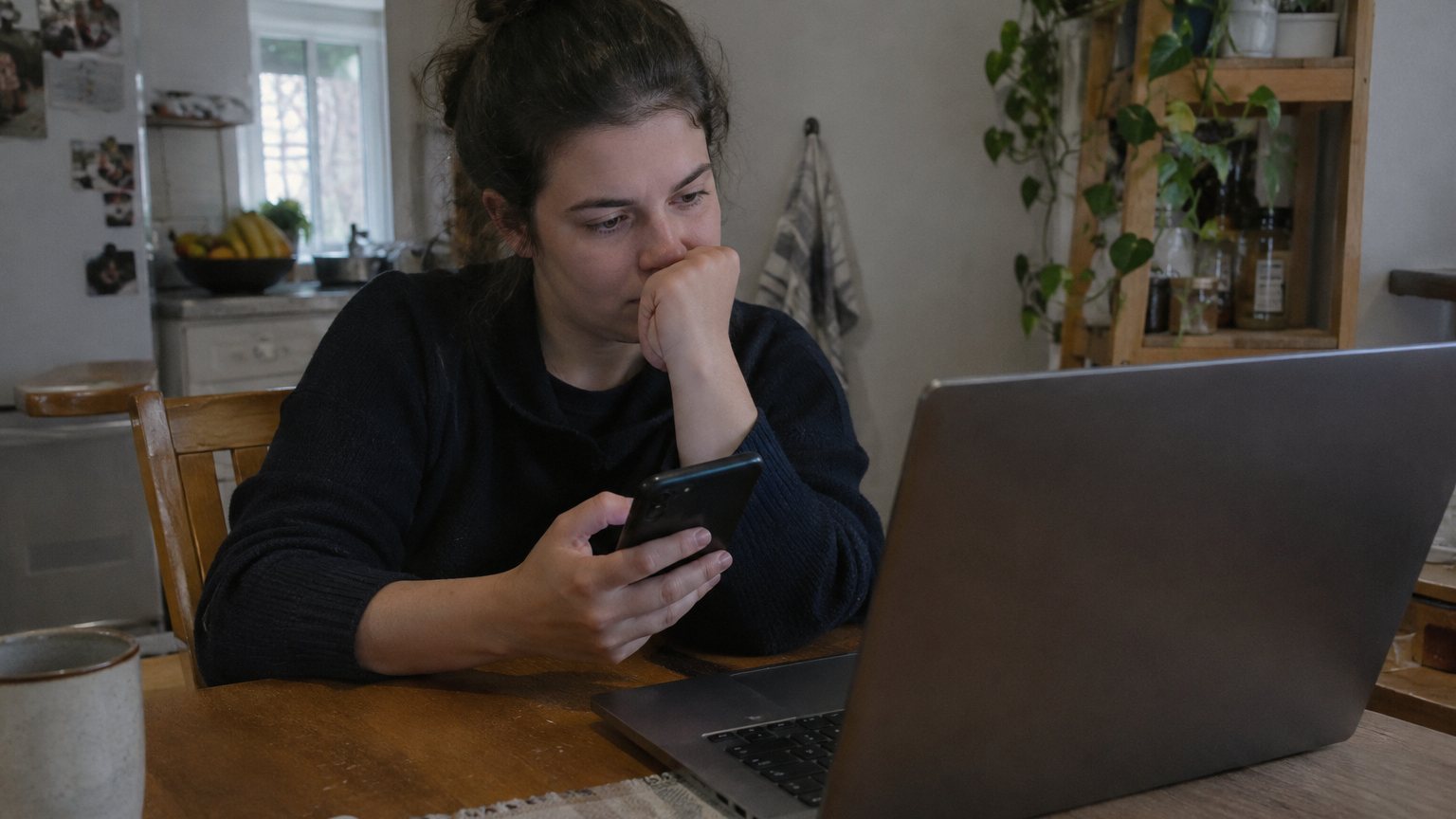
Take a job seeker who interviews in 2024 and hears nothing afterward. Greenhouse's public numbers do not rate that person's answer. They place the week inside 2 separate pressures: heightened job-market anxiety among US workers and ghosting after interviews among job seekers.
That split is useful after a tense call. The 79% figure describes the broader job-market feeling. The 61% figure describes a follow-up experience after an interview. Together, they help explain why one unanswered message can make the whole conversation feel bigger.
The 2024 job-hunting benchmarks side by side
The public post gives a compact set of benchmarks, with limits. It names the survey size, the countries included, the US anxiety figure, the ghosting figure, and the change since April 2024. It does not fully restate the fieldwork dates in the excerpt used here.
| What Greenhouse reported | Figure | Who or what it describes |
|---|---|---|
| Heightened anxiety in the current job market | 79% | US workers |
| Actively job-hunting | Nearly half | US workers |
| Ghosted after a job interview | 61% | Job seekers |
| Increase in interview ghosting since April 2024 | 9 percentage point increase | Change reported by Greenhouse |
| Workers in the report survey | 2,500 | Workers across the US, UK and Germany |
| Public post date | Dec. 10, 2024 | Greenhouse publication date |
Greenhouse 2024 job-hunting figures cited in its public post
What this means for you
If job hunting makes you anxious, the Greenhouse benchmark puts you in a large group: 79% of US workers in its 2024 post. If an interview went quiet afterward, the same post put that experience at 61% among job seekers.
Prepare for both parts of the process. Before the interview, choose one answer you want to say clearly. Before the wait begins, write one short follow-up note. If silence comes later, do not let a 2024 hiring habit rewrite the whole conversation in your head.
Sources