This is how often people in your job deal with conflict at work
A 1-on-1 review, customer call or tense meeting can make conflict feel personal. Public job data gives your field a benchmark.
 By Maria Lee·
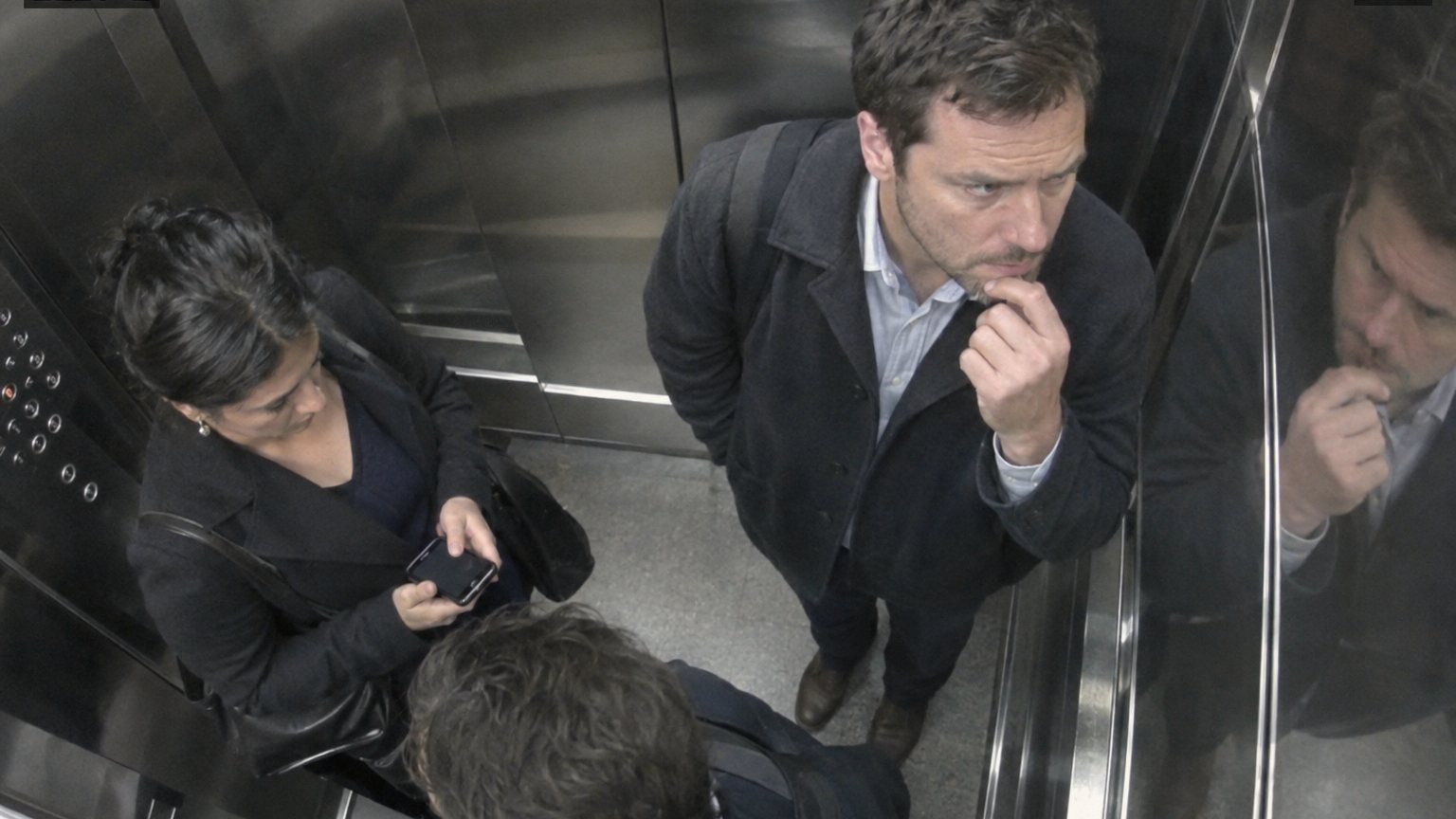
The call gets tense before anyone raises their voice. A customer pushes back. A colleague challenges your estimate. A manager asks why the deadline slipped. You can feel the next sentence matter more than the last one, because now you have to disagree, explain or calm the room out loud.
Across 21 occupational fields, public job data gives that feeling a benchmark. O*NET, sponsored by the U.S. Department of Labor, asks workers about the context of their jobs, including whether they deal with conflict situations. Paired with Bureau of Labor Statistics employment data, it can answer the practical question behind the headline: how routine is conflict in work like yours?
- Office and administrative support15879680workers
- Food preparation and serving13576780workers
- Sales13158270workers
- Transportation and material moving12334660workers
- Management11019110workers
- Business and financial operations9562910workers
By our calculation from O*NET 31.0 Work Context and BLS OEWS May 2025. Employment totals are used to weight the conflict benchmark within each occupational field.
The data counts daily conflict, not every awkward exchange
O*NET's Work Context data comes from ratings by incumbent workers, not from job ads or manager descriptions. The measure used here is specific: workers saying the job requires them to deal with conflict situations every day. It does not count every uncomfortable message thread, every awkward pause or every meeting where someone sounds annoyed.
That narrower wording helps. A difficult conversation once in a while can feel huge when you are the one speaking. A daily requirement is different. It means conflict is part of the job's normal rhythm, like answering calls, writing reports or making decisions under time pressure.

Pushback changes what your next sentence has to do
In a calm update, your job may be to report facts. In a conflict conversation, your words have to do more work. You may need to say no, ask for time, correct a mistaken assumption or keep your voice steady while someone else sounds frustrated.
That is the speaking link in this data. A tense customer call, review or pay conversation is one of the public speaking situations that does not look like a stage, but still gets judged. The audience may be one person. The stakes may be a schedule, a promotion, a client or your reputation for staying composed.
The field comparison is useful because job expectations cluster. Some workers meet the public all day. Some manage students, patients, clients, cases or complaints. Others spend most of their day in systems, documents or planned tasks, where conflict may arrive less often but still feel sharp when it does.
Find your field in the conflict benchmark
Here is the field-by-field benchmark. By our calculation from O*NET 31.0 Work Context and BLS OEWS May 2025, the employment-weighted share of workers who say their job requires them to deal with conflict situations every day differs sharply across occupational fields.
| Occupational field | Workers who deal with conflict situations every day |
|---|---|
| Protective service | 40% |
| Community and social service | 36% |
| Educational instruction and library | 22% |
| Healthcare practitioners and technical | 20% |
| Legal | 19% |
| Office and administrative support | 16% |
| Healthcare support | 15% |
| Management | 13% |
| Installation, maintenance and repair | 12% |
| Business and financial operations | 11% |
| Sales | 11% |
| Transportation and material moving | 11% |
| Personal care and service | 10% |
| Construction and extraction | 10% |
| Food preparation and serving | 9% |
| Production | 9% |
| Arts, design, entertainment, sports and media | 7% |
| Architecture and engineering | 6% |
| Building and grounds cleaning and maintenance | 6% |
| Life, physical and social science | 5% |
| Computer and mathematical | 2% |
Share of workers who deal with conflict situations every day, by occupational field
That is the answer for people in your job field. If your field sits higher in the table, daily conflict is built into the work for a larger share of workers. If your field sits lower, a tense exchange may be less routine in the job itself, which can make it feel more jarring when it arrives.
What this means for you
Use your field's number as context, not as a verdict on your nerves. If daily conflict is common in your field, you are not imagining the pressure. You may need repeatable phrases for disagreement, delay, clarification and de-escalation. If daily conflict is uncommon in your field, the rare tense moment may deserve more deliberate preparation, because you may not get much everyday practice.
Before your next review, customer call or pushback meeting, write one sentence for each move: what you need to say, what you need to ask and what you can say if the other person challenges you. Then say those lines out loud once. Reading them silently does not test your voice under pressure.
Sources