Interview tomorrow and income under $50,000? How many miss the $100 line
A next-day invite can sound like a break until you have to answer, sound ready and front the trip, clothes, parking or unpaid time.
 By Maria Lee·
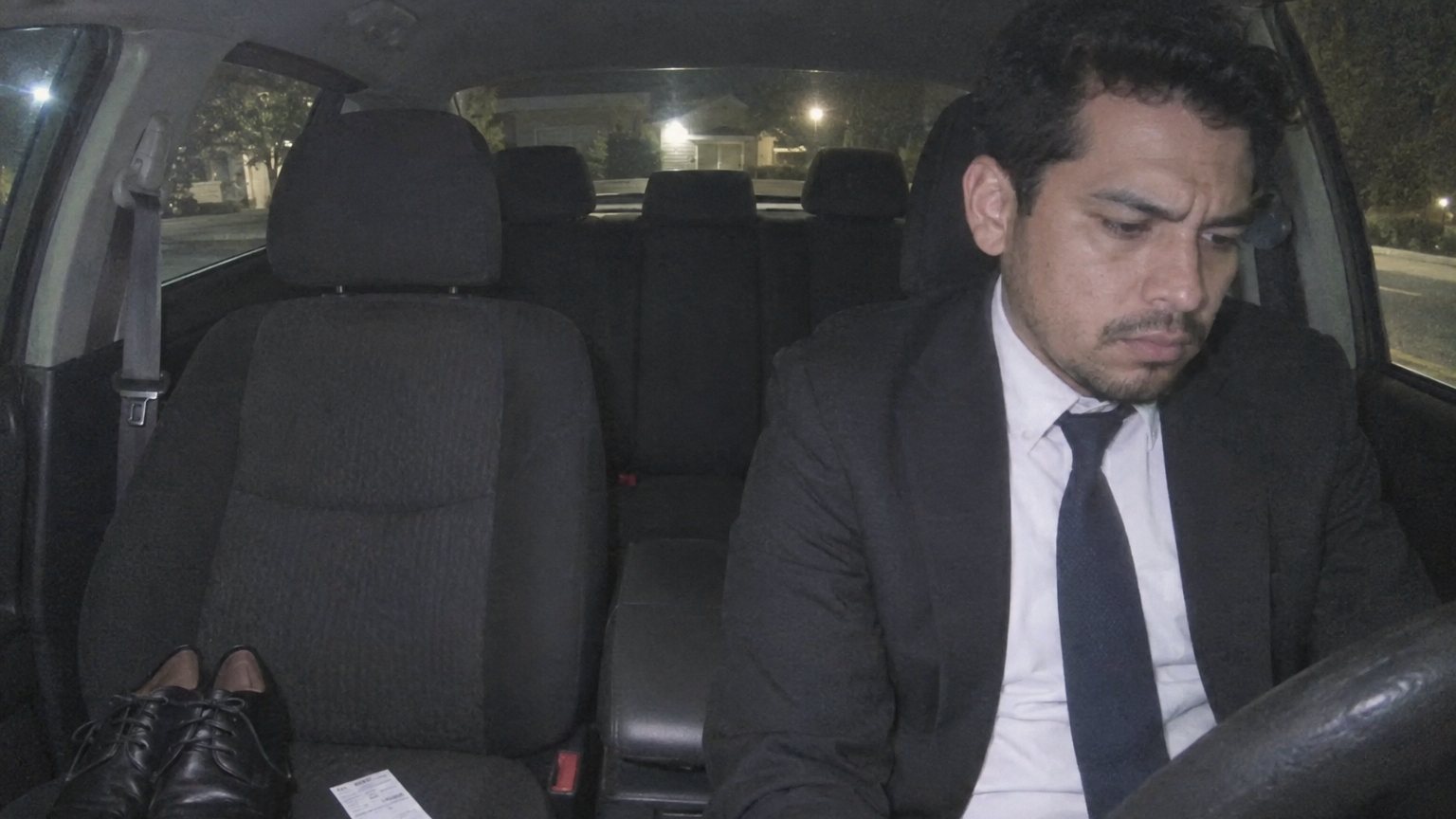
In 2025, 4 in 10 adults under $50,000 could not cover a $100 emergency using only savings. The Federal Reserve Board reported that line in its 2025 Survey of Household Economics and Decisionmaking. But a next-day interview can ask for the same kind of upfront cash before you ever get to speak.
- Could cover a $400 emergency with cash or its equivalent63%
- Largest emergency expense savings could handle was under $10018%
- Largest emergency expense savings could handle was $100 to $49912%
Federal Reserve Board 2025 SHED. The $400 figure uses cash or its equivalent. The savings figures ask the largest emergency expense adults could handle right now using only savings.
The $400 benchmark does not settle a next-day interview
The broad national number looks calmer at first. In the Federal Reserve Board's 2025 SHED, 63% of adults said they would cover a hypothetical $400 emergency expense completely using cash or its equivalent.
A tomorrow interview may cost less than $400. It can still hit fast. Parking, transit, gas, clothes or unpaid time can arrive before any offer, raise or first paycheck. For a worker under $50,000, the smaller $100 line may be the sharper self-check.
The survey ran from October 17 to October 28, 2025
The Federal Reserve said the latest SHED was fielded from October 17 until October 28, 2025. It is an annual survey of U.S. adults, and the 2025 report was published on May 19, 2026.
That timing puts the savings question close to the current hiring season. It also matters because the report notes a randomized split sample for a revised emergency-expense question. The numbers here should be read as household cash-stress benchmarks, not as a count of interview trips.
Asking for video can make the budget show in your words
The interview starts when you answer the invite. You may need to say yes, ask about format, ask about timing or request a video option. That makes the money problem a speaking problem too: your words have to sound interested while your budget is tight.
The federal survey did not measure interview answers, confidence or voice. It measured emergency expenses, savings and cash-like resources. Still, the moment fits the wider set of public speaking situations where someone judges what you say under pressure.
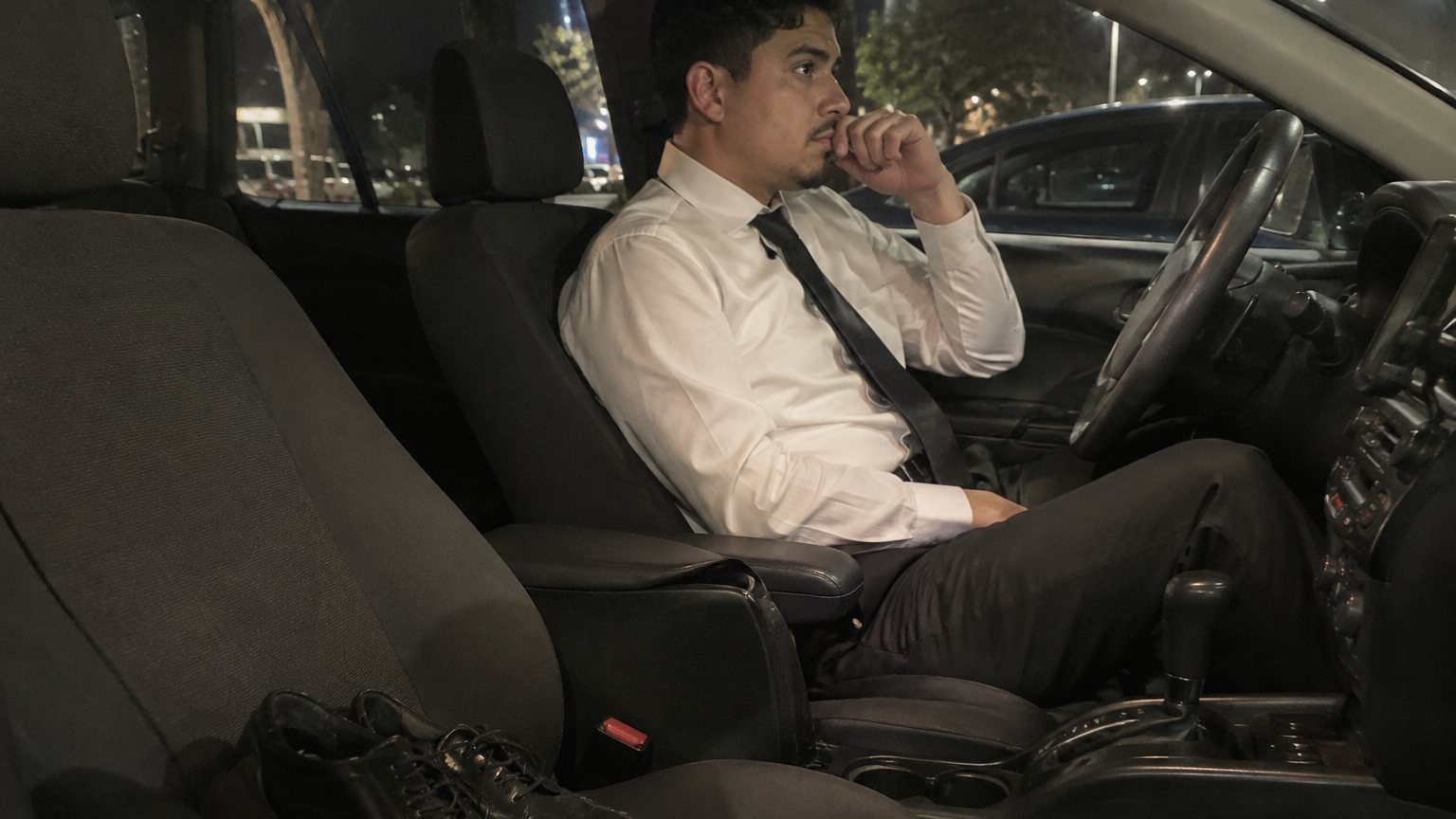
Unpaid time is part of the interview cost
The U.S. Bureau of Labor Statistics adds a work-time constraint. In its 2011 Leave Module, wage and salary workers were asked whether they were allowed to take time off from work without pay.
The BLS release says the average week reflected the 7 days before the survey interview day. It was not an interview-cost study. It does name a real piece of the same squeeze: showing up can mean losing paid hours or asking for unpaid time.
What if the interview costs exactly $100?
Take a candidate earning less than $50,000 who needs to appear in person tomorrow. If the trip, parking and clothes total exactly $100, that expense sits right on the Federal Reserve's lower-income stress line.
For that candidate, the question is not whether a $400 emergency could be handled somehow. It is whether a $100 interview day can be covered with savings right now. In the 2025 SHED, 4 in 10 adults under $50,000 said no.
Every cash benchmark behind the interview squeeze
The Federal Reserve numbers split the problem into two views. Cash or its equivalent makes the $400 emergency look manageable for many adults. Savings-only answers show how quickly a smaller $100 demand can become difficult.
| Measure | Share |
|---|---|
| Adults who would cover a hypothetical $400 emergency expense with cash or its equivalent | 63% |
| Adults whose largest emergency expense using only savings was under $100 | 18% |
| Adults whose largest emergency expense using only savings was $100 to $499 | 12% |
| Adults with income less than $50,000 who could not cover even a $100 emergency expense with only savings | 4 in 10 |
How the Federal Reserve measures frame a sudden interview cost.
Among all adults, the Federal Reserve said 18% could handle less than $100 using only savings, while 12% could handle $100 to $499. Those are different from the 63% who could use cash or its equivalent for $400.
A last-minute interview compresses the decision. You may be able to borrow, use credit, reschedule or ask for video. But the savings-only line captures the immediate question: what can you front before anyone says yes to hiring you?
What this means for you
If a next-day interview strains your cash, treat logistics as part of the conversation, not as a private failure. Ask early: “Is this round required to be in person, or is video possible?” That question is specific, professional and tied to scheduling.
If you need another option, give one clean sentence: “I can make tomorrow work by video, or I can come in person later this week.” Then prepare your opening answer. The data is about savings, not your ability, motivation or readiness for the job.
Sources