The work-party dance floor changed when phones came out. How many Gen Z sit it out?
When a phone goes up at a coworker event, the guarded feeling can hit your face, your voice and your next move before you join in.
 By Maria Lee·
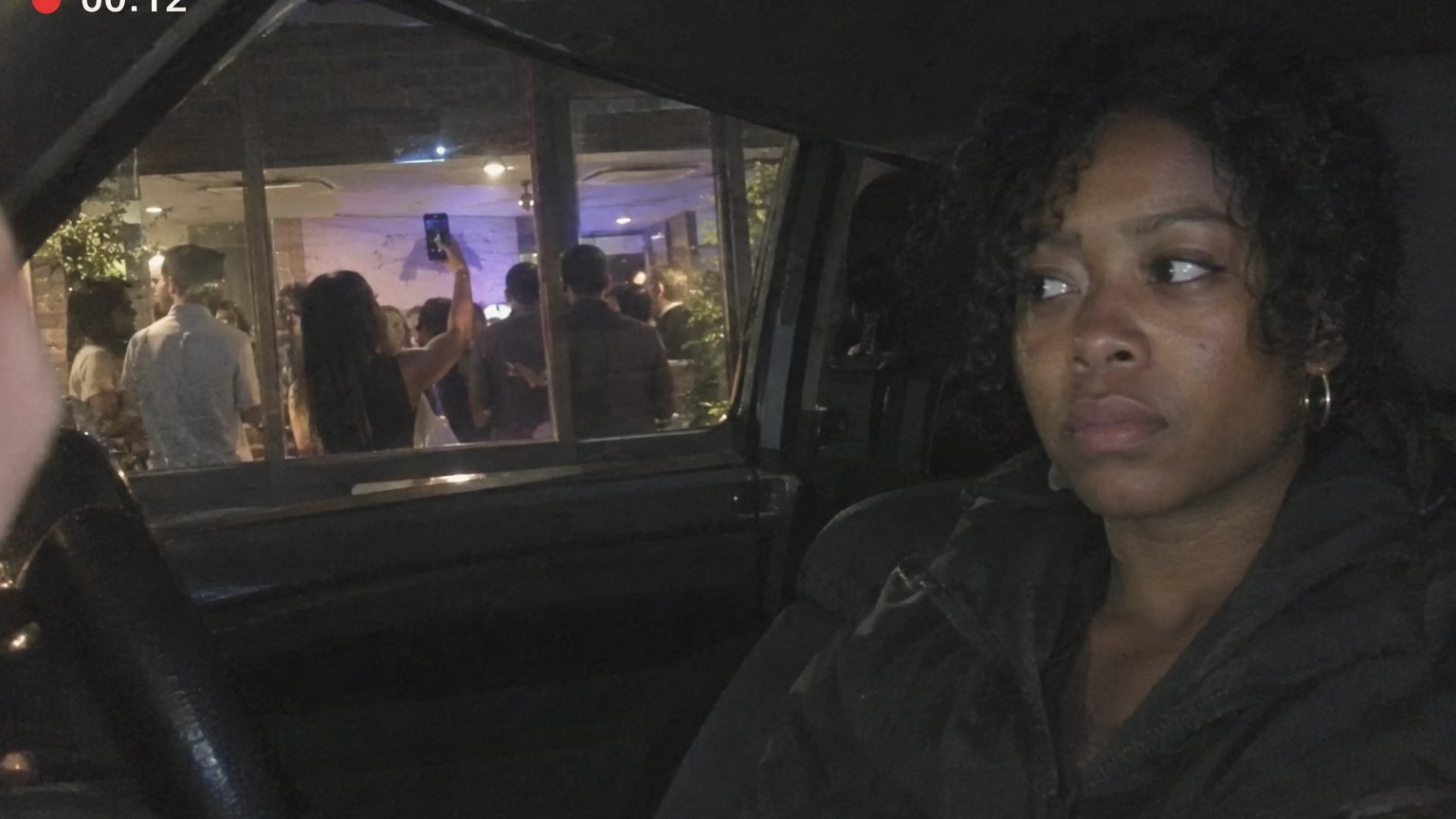
In July 2026, 49% of Gen Z skipped dancing over online-content fears, while 47% of adults felt less relaxed. LifeStance Health reported the figures in its public survey on fear of going viral and social media anxiety. But the work-party version is sharper: a casual room can still judge your face, your voice and your words.
The reason was not the music. LifeStance Health framed the 49% Gen Z dance-floor number as avoidance because of the fear of becoming online content. At a coworker event, that fear can arrive before anyone makes a toast, tries a joke or steps onto the floor.
- Gen Z respondents who skip dancing49%
- Adults whose ability to relax and be themselves in public was reduced47%
LifeStance Health reported these figures from a July 2026 survey of U.S. adults.
The survey covered 1,000 adults, not only partygoers
LifeStance Health said the data came from a Dynata survey conducted on its behalf in July 2026. The survey analyzed responses from 1,000 U.S. adults ages 18 and up, so the 47% adult figure is not limited to people already standing near a dance floor.
That wider adult benchmark fits office parties, conference receptions and team dinners. These are casual rooms with professional memory. People notice whether you seem relaxed, whether your laugh sounds forced and whether you recover when attention turns your way.
The adult finding is about being yourself in public
LifeStance Health's public summary used a broad phrase, not a party-only phrase. It said, “Nearly half (47%) of respondents agree the possibility of becoming online content has reduced their ability to relax and be themselves in public.”
That wording makes the work-party pause easier to place. A phone does not have to record a full dance. It can catch a face, a half-said joke, a toast, a reaction or a small mistake. The 47% figure covers that wider public self-edit.
A raised phone can make the joke die in your mouth
The watched feeling does not stay in your feet. LifeStance Health said avoidance is more common among Gen Z respondents: 43% hold back emotion and 38% avoid acting silly or telling a joke. If pressure changes how you sound, it sits close to a voice change under social pressure.

Those 43% and 38% figures are speech-adjacent. Holding back emotion can flatten your face and tone. Avoiding a joke changes the words you risk saying. The dance-floor number is the visible version of the same self-edit.
708 nervous speakers named the freeze
AmberWillo onboarding answers add one workplace-speaking cut. From Dec. 8, 2025 to Oct. 8, 2026, 708 of 1,851 people working on speaking nerves picked freezing or forgetting what to say as their biggest challenge. Rounded, that is 38%.
That 38% is not a dance-floor result. It is a speaking result. It gives a workplace comparison for the same watched feeling. A person who freezes in a meeting, presentation or interview may recognize the pause that happens when a phone points toward the group.
Why does a casual room start to feel professional?
LifeStance Health described the survey as looking at anxiety from online judgment, public recording and fear of becoming social media content. In a work setting, those ideas overlap with reputation. A clip from a party can travel farther than the room where it happened.
Take a Gen Z analyst at a coworker reception. If she stays off the dance floor, she fits the 49% LifeStance Health reported. If she also swallows a visible reaction, she matches the 43% holding-back-emotion group. If she drops a silly comment before saying it, that lines up with the 38% joke-avoidance figure.
Every Gen Z behavior LifeStance listed
LifeStance Health gave 3 Gen Z avoidance behaviors in the public summary. The biggest was skipping dancing at 49%. Holding back emotion followed at 43%, and avoiding acting silly or telling a joke was 38%.
| Behavior | Share of Gen Z respondents |
|---|---|
| Skip dancing because of fear of becoming online content | 49% |
| Hold back emotion | 43% |
| Avoid acting silly or telling a joke | 38% |
Gen Z behaviors LifeStance Health reported as more common avoidance
What this means for you
If you tense up when a phone appears at a coworker event, your reaction is not rare. LifeStance Health put the Gen Z dance-floor benchmark at 49%, and the adult public-relaxation benchmark at 47%. The feeling is measurable.
Give yourself one line before the event: “I’ll watch for a minute,” or “I’ll join the next one.” If you want to connect without performing, ask one easy question near the edge of the room. If you are filming, ask before recording a coworker dancing, joking or speaking.
Sources
- LifeStance Health, fear of going viral and social media anxiety survey
- AmberWillo anonymized onboarding answers, Dec. 8, 2025 to Oct. 8, 2026