How often hiring managers see Gen Z distracted or avoiding eye contact in interviews
If your eyes drop during an interview answer, it can feel like a private nervous habit. Hiring managers say they notice it often enough to matter.
 By Maria Lee·
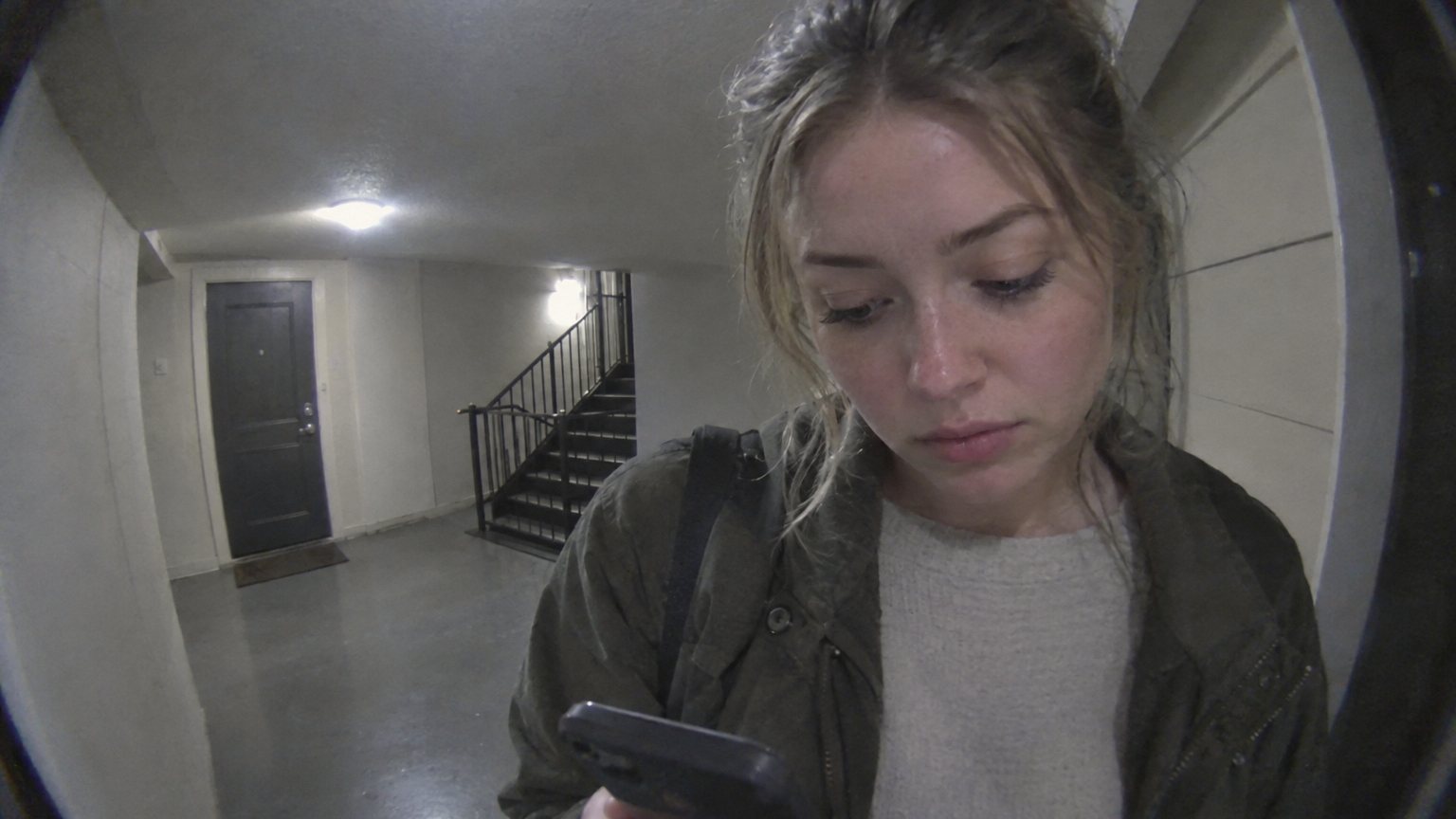
50% of hiring managers who interviewed Gen Z candidates saw distraction or avoided eye contact in 2025, while 88% saw bad interview behavior. ResumeTemplates.com reported the findings from a survey of 1,000 U.S.-based hiring managers involved in hiring decisions. But the number lands in a specific moment: answering a question while trying to look focused, sound steady and keep your words moving.
50% had seen distraction or avoided eye contact
The same ResumeTemplates.com article said 52% of hiring managers who had interviewed Gen Z candidates had seen candidates dressed inappropriately for the company culture. The next figure was the eye-contact and focus item, at 50%.
For a nervous candidate, those 2 items feel different. Clothes can be chosen before the interview starts. Eye contact and attention have to survive the live conversation. A question arrives, your mind searches for the right example, and your face may stop helping you.
Focus can break while the answer is still being said
The source names distraction and avoided eye contact together, which is important for the speaking side of an interview. The issue is not only whether you know the answer. It is whether your attention, voice and face stay with the conversation while you say it.
If interviews make you tense, it can help to treat eye contact as one part of speaking under pressure, not as a separate personality test. People trying to get a job with social anxiety often need a practical plan for the words, the pause and where to look.

Clear communication carries the hiring upside
ResumeTemplates.com also reported that nearly two-thirds, 63%, of hiring managers said clear communication is the soft skill most likely to get Gen Z hired. Another 65% said they would rather hire a candidate with strong soft skills but no college degree than one with a degree but weak interpersonal skills.
Take 100 hiring managers in the survey as a worked example. By the reported percentages, 63 would point to clear communication as the soft skill most likely to help a Gen Z candidate get hired, while 65 would prefer strong soft skills without a degree over a degree paired with weak interpersonal skills.
Soft-skill gaps sit behind the eye-contact complaint
The article said more than half of hiring managers, 53%, said Gen Z candidates more often lack soft skills than hard skills. It also named the top soft-skill gaps hiring managers observe: work ethic at 57%, professionalism at 49% and punctuality at 44%.
Those are broad workplace judgments, not a diagnosis of any one candidate. Still, they explain why a shaky interview can feel expensive. If a hiring manager is already watching for professionalism and communication, a distracted answer can be read into a larger pattern.
The hiring-manager findings side by side
The June 2025 article put the eye-contact figure beside several other hiring judgments. The rows below keep the findings in the wording and scale reported by ResumeTemplates.com, including the 6 in 10 figure on strong soft skills.
| Finding | Share reported |
|---|---|
| Witnessed bad interview behavior from a Gen Z candidate | 88% |
| Seen Gen Z candidates dressed inappropriately for the company culture | 52% |
| Seen Gen Z candidates distracted or avoiding eye contact | 50% |
| Would rather hire strong soft skills but no college degree than a degree with weak interpersonal skills | 65% |
| Clear communication is the soft skill most likely to get Gen Z hired | 63% |
| Say Gen Z candidates more often lack soft skills than hard skills | 53% |
| Name work ethic as a top soft-skill gap | 57% |
| Name professionalism as a top soft-skill gap | 49% |
| Name punctuality as a top soft-skill gap | 44% |
| Say it is critical for Gen Z to demonstrate strong soft skills | 6 in 10 |
Selected findings reported in the June 2025 ResumeTemplates.com hiring-manager survey
What this means for you
If your eyes drop when you are thinking, you are not alone in worrying about it. Hiring managers in this survey say they see distraction or avoided eye contact often. The practical goal is not to stare. It is to stay connected enough that your answer sounds present.
Before the interview, prepare 3 short answer openings you can say without searching. During the answer, look up at the start, look away briefly while recalling the example, then return for the result sentence. If you lose focus, say, "Let me answer that in 2 parts," and restart with structure.
Sources