In interviews, hiring managers choose these skills over a degree more often than not
If nerves make your interview answer sound scattered, the risk is bigger than one awkward reply: the skill being judged may be the conversation itself.
 By Maria Lee·

In June 2025, 65% of hiring managers chose strong soft skills and no college degree over a degree with weak interpersonal skills. ResumeTemplates.com reported that “65% say they would rather hire a candidate with strong soft skills but no college degree than one with a degree but weak interpersonal skills.” But for nervous interviewees, the hard part is proving those skills while answering out loud under pressure.
The same ResumeTemplates.com article said the survey was conducted in June 2025 using Pollfish’s online survey platform. It focused on Gen Z candidates, but the tradeoff reaches any applicant whose voice speeds up, answer gets tangled or mind blanks when a hiring manager asks a broad question.
The tradeoff puts soft skills above the credential
The reported choice was not between a degree and nothing. It was between strong soft skills but no college degree and a degree but weak interpersonal skills. In that direct comparison, 65% picked the candidate whose interpersonal side sounded stronger.
ResumeTemplates.com also named the soft-skill gaps hiring managers observe most often. The top gaps were work ethic at 57%, professionalism at 49% and punctuality at 44%. An interview answer can become the first live sample of all 3.
Answers under pressure make communication audible
A job interview is closer to interpersonal communication than a formal speech. You listen, answer, ask and adjust your voice while someone evaluates you. The source’s 65% tradeoff turns soft skills into something the hiring manager hears in the conversation.
For a nervous applicant, the danger is not only a weak example. A rushed answer can hide work ethic. A clipped answer can sound less professional. A long, unfocused answer can bury preparation, even when the résumé has a degree and the experience is real.
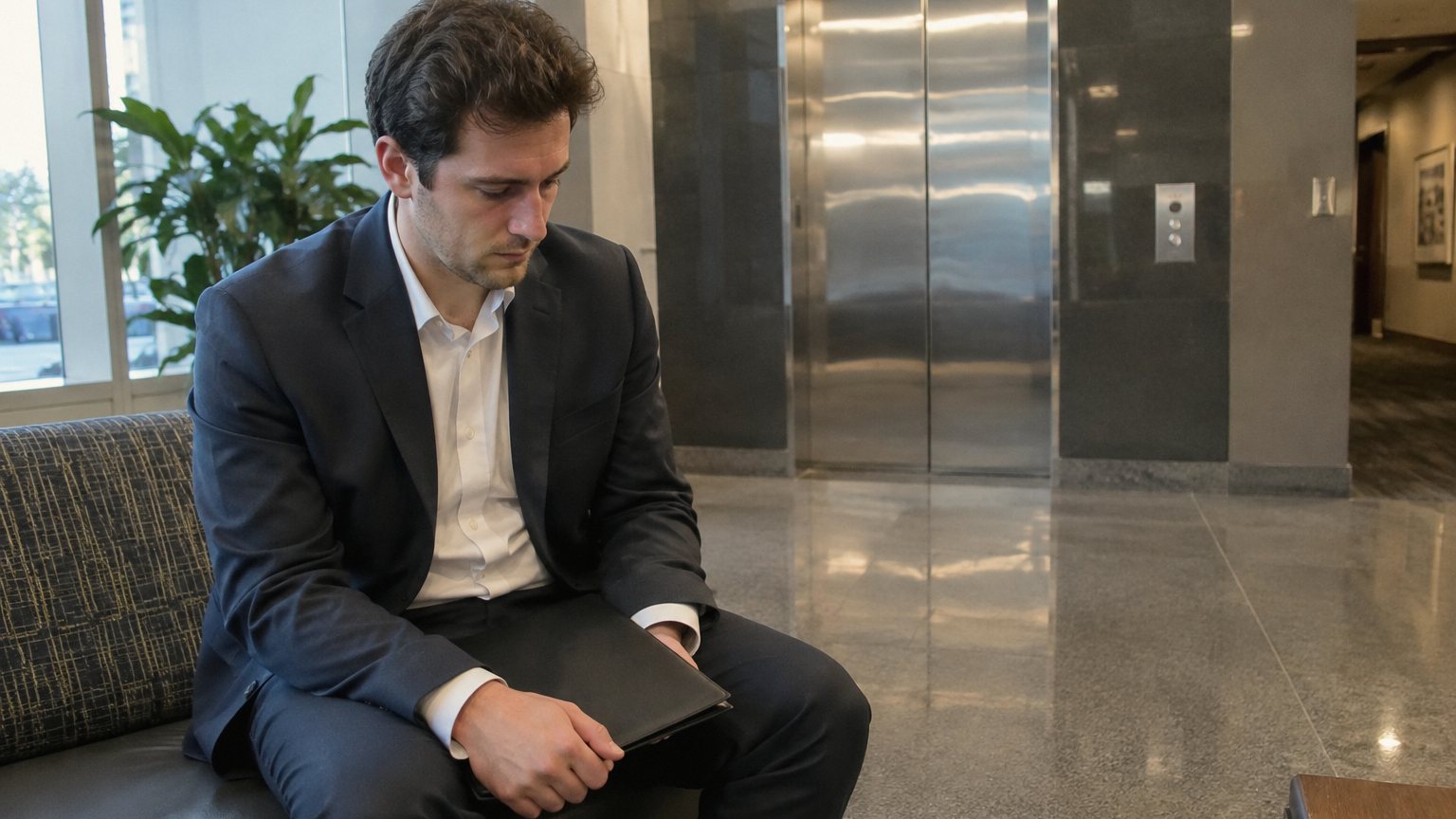
Clear communication drew 63% as the hiring signal
ResumeTemplates.com reported that “nearly two-thirds (63%) say clear communication is the soft skill most likely to get Gen Z hired.” That is the most direct speaking number in the source, and it sits close to the 65% degree tradeoff.
Take the exact comparison described in the survey. One finalist has a college degree but gives unclear, tense answers. Another has no college degree but answers clearly, stays professional and sounds easy to work with. In the reported result, 65% of hiring managers chose the second profile.
Who pays the price when nerves take over?
ResumeTemplates.com also reported that 88% of hiring managers have witnessed bad interview behavior from a Gen Z candidate. The source did not say every awkward answer comes from nerves. It did say the interview room is where behavior, communication and professionalism are being noticed.
AmberWillo onboarding answers add one narrow view of the nervous side. From Dec. 8, 2025 to Oct. 8, 2026, 213 of 1,850 people working on speaking nerves, or 12%, picked job interviews as their main speaking pressure point.
Among that interview group, 46% picked going blank or forgetting what to say as their biggest challenge. That compares with 38% across all 1,851 onboarding respondents. For job seekers, freezing can change how clear communication sounds at the exact moment it is being judged.
6 in 10 called strong soft skills critical
The ResumeTemplates.com source said 6 in 10 hiring managers say it is critical for Gen Z to demonstrate strong soft skills. It also reported that 53% said Gen Z candidates more often lack soft skills than hard skills.
That creates a practical pressure point. If the employer is already watching for soft skills, and 63% single out clear communication as the skill most likely to get Gen Z hired, your answer has to carry more than facts. It has to be easy to follow.
Every benchmark hiring managers named
The source’s figures cluster around the same interview moment: the candidate is heard before the credential is weighed. The table keeps the public benchmarks separate from the AmberWillo nervous-speaker cut.
| Benchmark | Reported share |
|---|---|
| Would rather hire a candidate with strong soft skills but no college degree than one with a degree but weak interpersonal skills | 65% |
| Clear communication is the soft skill most likely to get Gen Z hired | 63% |
| Said it is critical for Gen Z to demonstrate strong soft skills | 6 in 10 |
| Said Gen Z candidates more often lack soft skills than hard skills | 53% |
| Observed work ethic as a top soft-skill gap | 57% |
| Observed professionalism as a top soft-skill gap | 49% |
| Observed punctuality as a top soft-skill gap | 44% |
| Have witnessed bad interview behavior from a Gen Z candidate | 88% |
| AmberWillo nervous speakers who picked job interviews as their main pressure point | 12% |
| AmberWillo job-interview group who picked going blank or forgetting what to say as their biggest challenge | 46% |
Hiring-manager benchmarks reported by ResumeTemplates.com and one AmberWillo nervous-speaker cut
What this means for you
If you are preparing for an interview, do not treat soft skills as a vague compliment. Practice the moment where they become audible: the first sentence of your answer, the example you choose, the pause before you continue and the question you ask back.
Before the interview, pick one story that proves work ethic, one that proves professionalism and one that proves clear communication. Say each out loud in a short version. If you blank, restart with the plain point first: what happened, what you did and what changed.
Sources
- ResumeTemplates.com, hiring-manager survey, June 2025
- AmberWillo anonymized onboarding answers, Dec. 8, 2025 to Oct. 8, 2026