The first interview is with AI. This many full-time workers would feel uneasy
If the first round is a bot, the pressure lands on your voice, your words and how steady you sound without a human face across from you.
 By Maria Lee·
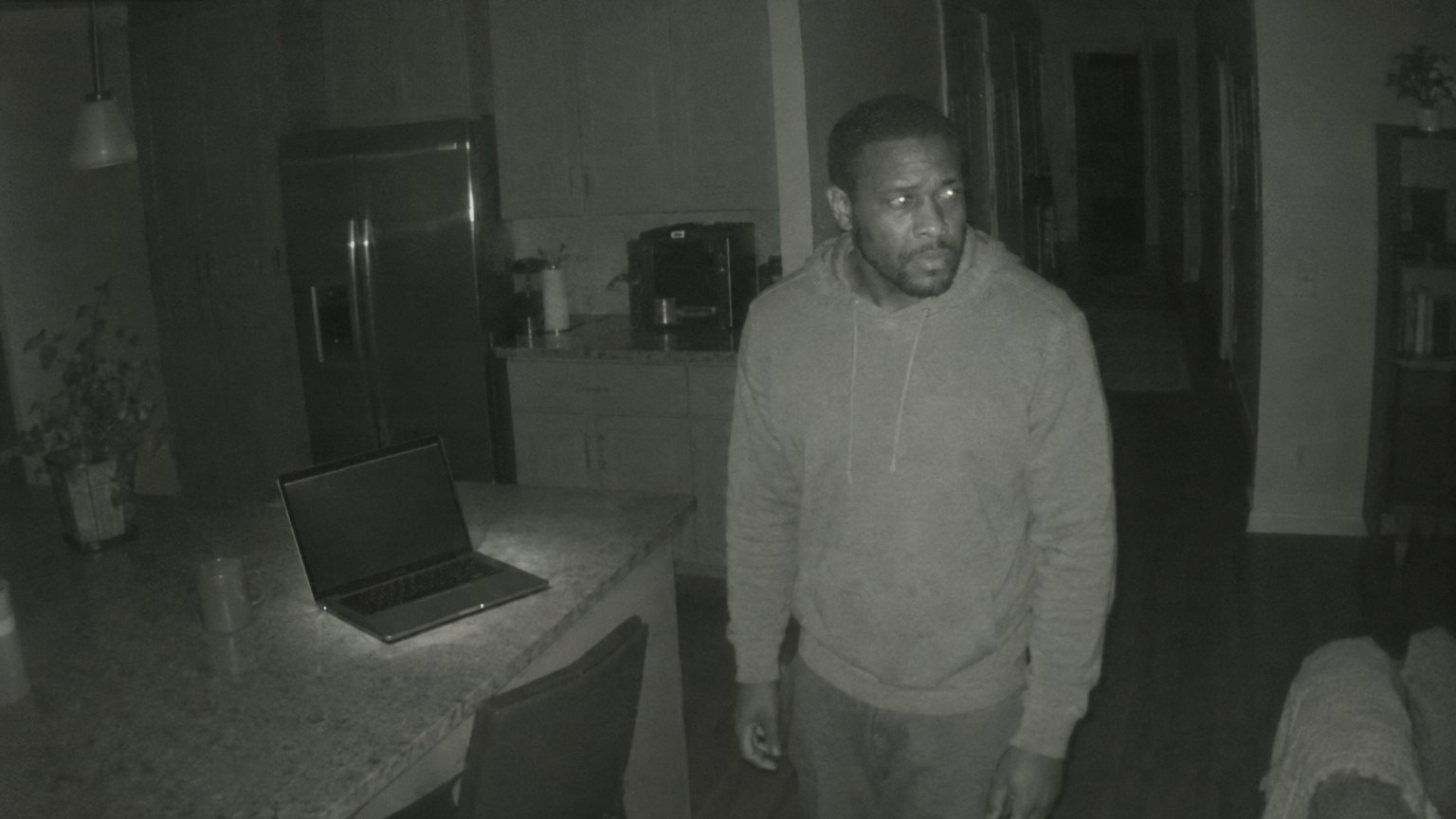
Almost 7 in 10 UK full-time workers would feel uneasy about an AI first interview, reported in 2026 among 1,000 workers. The Global Recruiter reported on Nov. 12, 2026, that Careerminds UK put the figure at 69.1 per cent. But the risk is not just a colder hiring tool. For candidates, a first-stage interview is still a speaking moment: answer out loud, sound confident and decide whether to stay in the process.
Only 30.9 per cent would continue without hesitation
The calm group was much smaller. The same article said fewer than one in three UK workers would continue with an AI interview without hesitation, reported as 30.9 per cent. That is less than half the 69.1 per cent uneasy group.
The setup was specific: a first-stage job interview run by AI rather than a person. In that first round, the worker may not get a nod, a smile, a follow-up question or a visible sign that the answer landed.
The blank screen leaves your voice carrying the interview
Careerminds UK also found a middle group: one in three workers would go ahead with the AI interview but feel uncomfortable, reported as 33.4 per cent. They are not refusing the first-stage round. They are still speaking, only with more friction.
That is the speaking side of the number. The candidate still has to listen, choose examples, say the answer and sound ready. If the human cues are missing, work on clarity and articulation before the interview so your words do more of the work.
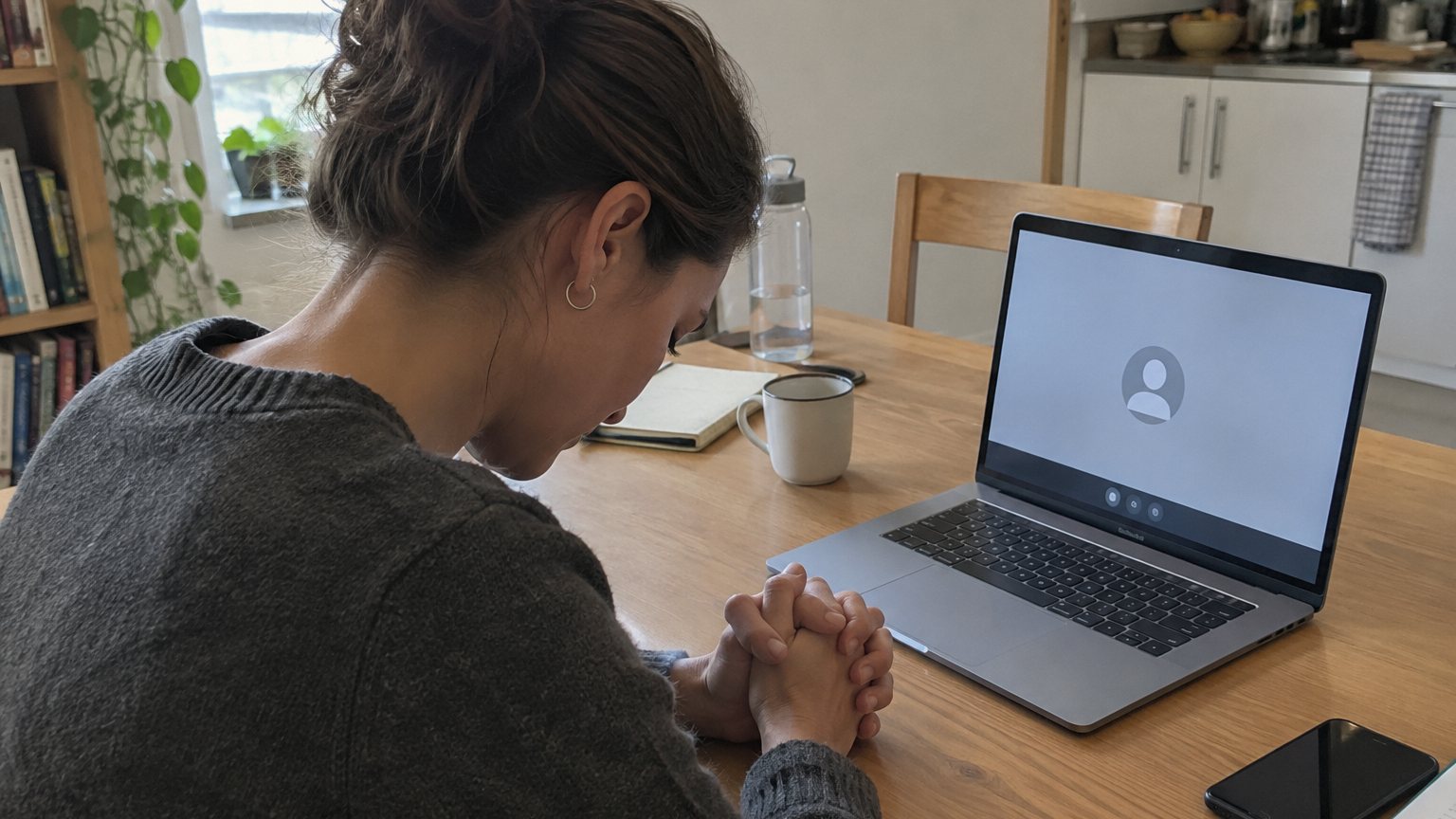
Who leaves before a human round?
The strongest reaction was withdrawal. The Global Recruiter article said one in nine UK workers would withdraw their application if told the first interview was with AI. The figure was reported as 11.2 per cent.
Take a candidate who wants the job but opens an invite and sees an AI-run first-stage interview. If they continue easily, they fit the 30.9 per cent group. If they continue while uncomfortable, they fit the 33.4 per cent group. If they stop, they fit the 11.2 per cent group.
The uncomfortable group is bigger than the quit group
The uncomfortable-but-continuing group, at 33.4 per cent, was about three times the withdrawal group reported as 11.2 per cent. The article also reported 30.9 per cent would continue without hesitation, while 69.1 per cent were uneasy overall.
Those figures describe different reactions to the same first-stage format. The source article did not say what the AI measures, whether the interview is video or audio, or whether every candidate gets the same prompts. It reported how 1,000 UK full-time workers said they would react.
Every reported reaction to an AI first interview
The Nov. 12, 2026 article quoted 4 reaction figures from Careerminds UK research among 1,000 UK full-time workers. The figures below separate unease, easy continuation, uncomfortable continuation and withdrawal because each one changes the interview in a different way.
| Reported reaction | Share reported |
|---|---|
| Uneasy about an AI first-stage interview | Almost 7 in 10, reported as 69.1 per cent |
| Would continue without hesitation | Fewer than one in three, reported as 30.9 per cent |
| Would go ahead but feel uncomfortable | One in three, reported as 33.4 per cent |
| Would withdraw their application | One in nine, reported as 11.2 per cent |
How UK full-time workers reacted to a first-stage job interview run by AI rather than a person
The headline answer is the 69.1 per cent unease figure. The 30.9 per cent, 33.4 per cent and 11.2 per cent figures explain what can happen next. Some workers continue easily, some continue uncomfortably and some leave before a person ever joins the hiring conversation.
What this means for you
If your next interview invite says the first round is AI-run, prepare for fewer human cues. Decide on your strongest work example before you start. Put the direct answer first, then add the proof, so the answer still works without a nod or follow-up.
When the prompt appears, pause before speaking. If you lose your place, return to the concrete fact you know best: the result, the action you took or the reason you want the role. You do not have to like the format. Your job is to stay clear enough to reach the next conversation.
Sources