Types of Performance Anxiety: Understanding, Symptoms, and Coping Strategies
Updated July 24, 2026

Start here
Before you explore the types, see how your performance anxiety comes across when you speak, in 30 seconds.
This article helps you understand performance anxiety broadly, but a quick rep shows you what it looks and sounds like for you personally. The rep is simple: you get two random words and 30 seconds to talk out loud, working both into what you say. Our AI reads your voice and your face, gives you a score out of 10, and turns what it found into a custom plan: what to fix first and what to practice.
Free. You see your score right after you speak. Only you see it.
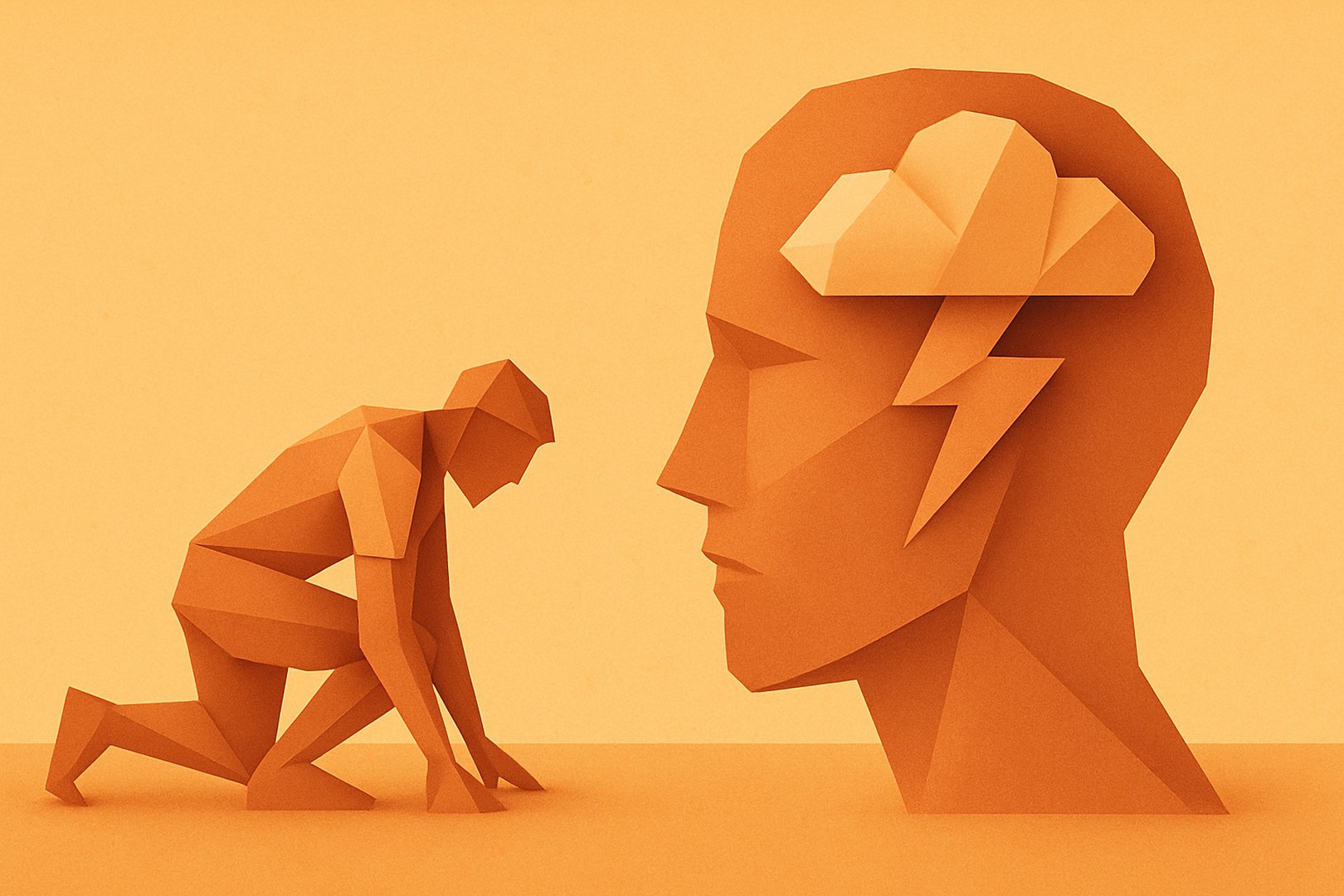
Performance anxiety has two main dimensions, characterized by anxiety-like symptoms and thoughts when facing a high-pressure situation. This can cause anxiety symptoms impacting your performance. On this page, you will learn about the different types of performance anxiety, their symptoms, and effective coping strategies.
What Is Performance Anxiety?
Performance anxiety is defined as anxiety, fear, or a persistent phobia that arises when you need to perform in front of an audience, whether real or imagined. It involves a marked and persistent fear of social or performance situations where embarrassment or humiliation might occur. You might experience negative psychological and physiological reactions when performing in front of others.
This anxiety is characterized by a fear of being judged while performing tasks, especially in front of an audience. It is a fear of being judged or failing in the spotlight. Performance anxiety is a type of social anxiety disorder, and it is also considered a type of anxiety disorder characterized by excessive fear around various events. For example, you might feel extreme nervousness around events like public speaking, auditioning, interviews, or tests. Performance anxiety at work involves anxiety about others’ opinions on your work performance, which can impair your ability to complete important tasks.
Common Types of Performance Anxiety
Performance anxiety shows up in various forms, often linked to specific situations where you need to perform. It is a common response to situations requiring high behavioral performance under pressure. Test anxiety is one common type of performance anxiety, for example. Performance anxiety also includes subtypes like sports performance anxiety, and it occurs before interviews, auditions, speeches, tests, and performances. This is a common issue for high-level performers, though some forms of performance anxiety might be grouped as another type of anxiety disorder, such as specific phobia. You can explore different types of performance anxiety, including:- Stage Fright and Public Speaking Anxiety
- Athletic Performance Anxiety
- Musical and Artistic Performance Anxiety
- Sexual Performance Anxiety
- Academic and Test Performance Anxiety
Stage Fright and Public Speaking Anxiety
Fear of public speaking is a form of performance anxiety, according to Mayo Clinic. Stage fright in public speaking is also known as performance anxiety. This is a common form of anxiety, and it is a common worry among students in public speaking courses. Stage fright or nervousness before public speaking is a normal feeling. However, fear of public speaking can range from feeling a little nervous to extreme fear and panic, as Mayo Clinic notes. Stage fright in public speaking is a common challenge involving psychological and physiological reactions. This can cause self-consciousness and anxiety weakened presentations. It is caused by overwhelming emotional energy and passion that is difficult to contain or express. In severe cases, stage fright during public speaking can cause panic attacks.
Athletic Performance Anxiety
Athletic performance anxiety is a psychological phenomenon marked by heightened apprehension, fear, or nervousness that athletes experience before or during competitive events. This is a common type of performance anxiety, specifically a subtype of performance anxiety. It can stem from a fear of losing, insufficient training, or excessive pressure to win. This anxiety is a reaction to the pressure and stress of competition, and a fear of failure also influences an athlete's performance anxiety. Athletes may experience compromised focus, self-doubt, negative thoughts, and a decline in confidence. This leads to performance difficulties and a loss of their optimal performance zone, such as making bad shots or poor plays. It can negatively impact sports performance, even causing muscle tension, and poor decision-making during a game or competition is another consequence. Athletes might avoid anxiety-triggering situations as a behavioral symptom. Severe anxiety interfering with athletic performance, like being unable to dismount from a balance beam, indicates an anxiety disorder beyond normal pre-competition jitters.
Musical and Artistic Performance Anxiety
Musical and artistic performance anxiety is a feeling of fear with increased bodily arousal that most musicians experience at some point. This anxiety can manifest as nervousness about important music performances or as social anxiety in evaluative situations. Musicians may feel apprehension, fear, dread, or panic, sometimes leading to a physical inability to perform. You might also have anticipatory concerns about being judged harshly or making mistakes. The highest levels of music performance anxiety are generally triggered by solo performances, as the brain reacts to perceived threat or pressure.
Sexual Performance Anxiety
Sexual performance anxiety is a common type of performance anxiety. It involves fear, worry, or anxiety related to sexual activity. This anxiety is characterized by excessive worry, fear, or nervousness about one’s sexual performance during intimate activities. You might feel fear or anxiety about your ability to perform sexually, or simply feel anxious or nervous about having sex. Sexual performance anxiety (SPA) is characterized by feelings of unease, worry, or fear related to sexual situations. This also involves nervousness related to sexual activity. It is characterized by psychological and physiological factors, including worry, fear, and nervousness about sexual performance. Male sexual performance anxiety, for example, involves thinking about sexual activity as a performance under scrutiny. This type of performance anxiety is a form of social anxiety and is closely related to stage fright.
Academic and Test Performance Anxiety
Academic and test performance anxiety, also known as test anxiety, manifests as excessive fear about your academic ability. This is a common experience for students. You might have intense anticipatory anxiety about giving speeches or taking tests. Symptoms include nervousness and procrastination. Even students with strong academic capabilities can succumb to anxiety during important tests, impairing their performance. In test situations, this anxiety can make you blank out during exams. This can cause a failure to reflect actual knowledge and abilities, leading to lower test performance unrelated to intelligence. Severe test anxiety causes negative emotions and physical symptoms that impair concentration and test scores, potentially leading to poor cognitive performance, academic underachievement, and psychological distress.
Symptoms and Signs of Different Types of Performance Anxiety
Performance anxiety presents with a range of physical, emotional, cognitive, and behavioral signs that can impact your ability to perform. These symptoms are similar to those of generalized anxiety disorder, and severe cases can even be a symptom of social anxiety disorder, according to Mayo Clinic. You might experience a tensed body, rapid heartbeat, or sweating, alongside a blank mind or a strong urge to avoid the situation. These signs can lead to errors in performance caused by nervousness, ultimately impacting your overall output.
Physical Symptoms
Physical symptoms of performance anxiety can include dizziness, headaches, and muscle tension. You might also experience chest pain, sweating, trembling, or numbness and tingling. These are physiological manifestations of emotional arousal, often leading to quickened breathing, an increased heart rate, and a rush of adrenaline. Other physical symptoms include nausea, overheating, and muscle tension. Digestive issues like nausea, stomach pain, or changes in appetite can occur, sometimes leading to weight fluctuations. Consistent fatigue, headaches, or body aches represent your body's reactions to emotional distress, even without a clear medical explanation.
Emotional and Cognitive Symptoms
Emotional and cognitive symptoms of performance anxiety include persistent negative emotions or distorted beliefs about yourself or others. Emotional symptoms are internal feelings and mood changes. You might experience feelings like fear, sadness, or anger. Cognitive symptoms involve thought patterns, such as self-doubt or focusing on potential failures. These mental shifts can significantly impact your ability to concentrate and perform effectively.
Behavioral Symptoms
Behavioral symptoms are actions or observable changes in what a person does, rather than what they feel inside. These symptoms appear outwardly through changes in habits, reactions in social settings, or altering routines. For example, you might engage in repetitive behaviors or avoid certain situations or places due to fear. You may also have a frequent need for reassurance, and social withdrawal can also be a behavioral symptom. These signs make mental health issues visible to those around you.
Causes and Risk Factors for Performance Anxiety
Performance anxiety stems from an interaction of multiple factors, including genetics, environmental stimuli, and your individual experiences. Root causes can be emotional, mental, or physiological, with a physiological predisposition to anxiety being one such factor. Perfectionism and a desire to prove yourself also contribute, alongside internal pressure to perform. Common triggers include fear of failure, pressure to succeed, and the presence of an audience. Fear of being judged negatively because of performance is a cause, as are past negative experiences with performances or social situations. Being bullied at a young age or parent’s or teacher’s expectations during childhood can be root causes. Musicians, for example, may develop performance anxiety due to early anxious reactions during childhood. Your tendency to place high demands on yourself influences the level of performance anxiety.
Fear of Negative Evaluation
Fear of negative evaluation is a preoccupation with and dread of the possibility of being judged negatively by others. It also refers to distress over negative feedback and anticipation of possible negative assessments. This dread is associated with unfavorable evaluation in social situations. This fear is a core symptom in performance anxiety. Ultimately, fear of negative evaluation worsens performance.
Past Traumatic Experiences
Past traumatic experiences are significant events that can contribute to performance anxiety. These experiences include child abuse, domestic abuse, emotional abuse, and witnessing tragic events. Other examples are physical attacks, sexual assault, kidnapping, car accidents, and natural disasters. Even repeated medical procedures, especially during childhood, can be traumatic. Experiencing war or violence, or living through a global pandemic, also counts as a traumatic event.
Personality Traits and Mental Health Conditions
Certain personality traits and existing mental health conditions can influence how you experience different types of performance anxiety. For example, traits like perfectionism or a tendency towards self-criticism may heighten your anxiety in performance situations. Mental health conditions, such as generalized anxiety disorder or depression, can also contribute to or worsen performance anxiety symptoms. Understanding these connections helps you address the underlying factors.
Situational and Environmental Triggers
Situational and environmental triggers are external factors that can activate performance anxiety. These triggers include places, specific situations, objects, or persons. For example, crowded spaces or major life changes can act as environmental triggers. You might also find that certain sounds, visual cues, distinct smells, or physical sensations are external triggers.
Environmental triggers can also involve specific places, anniversary dates of trauma, holiday seasons, or certain weather conditions. In some cases, environmental triggers include places, situations, and people that trigger substance use. Situational triggers are specific situations or environments that remind you of past trauma. This could be smoking when around certain people or at specific times. You can identify your triggers by noting potential causes like your environment, conversations, or location.
How to Manage and Cope with Different Types of Performance Anxiety
To manage and cope with different types of performance anxiety, you must first understand the reasons behind your feelings. This often involves accepting and working with your anxiety, sometimes with concentrated effort and coaching. You can also adopt tailored psychological strategies and focus on day-by-day preparation.
Effective management includes understanding how your anxiety works and balancing the pressure needed to perform well. You might also find distraction techniques helpful, or choose to talk to a specialist for help.
Exposure Therapy and Gradual Practice
Exposure therapy involves gradually and systematically exposing individuals to the situations or objects they fear. This approach allows you to confront fears in a graded and gradual manner, progressing from less distressing to more challenging scenarios to diminish anxiety over time. Gradual exposure and practice helps you build confidence incrementally through successful experiences.
This technique offers practice opportunities to build tolerance and confidence against fear and anxiety. For example, gradual exposure might involve starting with small speaking situations. When engaging in exposure therapy, a gradual exposure plan starts with exposure to least anxiety-inducing triggers in a controlled, safe manner.
You can even self-apply gradual exposure therapy by starting with manageable steps outside your comfort zone. This helps you step out of your comfort zone incrementally, gradually increasing your comfort level in challenging social situations. Exposure therapy for social anxiety treatment specifically involves implementing gradual exposure, and exposure practice at home should be started small and gradually progressed.
Cognitive Behavioral Techniques
Cognitive Behavioral Therapy (CBT) is a psychotherapy approach that combines cognitive and behavioral techniques to improve psychological symptoms. It incorporates cognitive techniques to address unhelpful thoughts and behavioral techniques to change actions. CBT is a skills-based approach providing tools and strategies to enhance your well-being. This therapy helps you identify and challenge negative thought patterns, developing healthier coping mechanisms. Its techniques primarily focus on changing unhelpful cognitive distortions and behaviors. Key techniques include cognitive restructuring, exposure therapy, behavioral activation, and problem-solving skills training. You will also learn relaxation exercises. CBT includes mindfulness training and strategies for restructuring thoughts. Behavioral experiments are also part of CBT, alongside cognitive reframing through role-playing. It incorporates coping strategies and skills training, including communication strategies.
Relaxation and Mindfulness Strategies
Relaxation and mindfulness strategies help you manage performance anxiety by refocusing your mind and releasing body tension. Relaxation techniques include deep breathing, meditation, and mindfulness. You can use a mindfulness routine, deep breathing exercises, meditating, or trauma-informed yoga as calming activities. Other relaxation techniques include progressive muscle relaxation. Mindfulness and relaxation techniques also include stretching and calming activities. These techniques often combine deep-breathing exercises, progressive muscle relaxation, and mindfulness meditation. Mindful breathing is another relaxation technique. These strategies help to reduce stress and ground yourself.
Lifestyle Adjustments and Stress Management
Lifestyle adjustments are key for stress management and can significantly impact your well-being. These changes include eating healthier, improving sleep, exercising regularly, and using stress-reduction techniques. You can also incorporate daily relaxation and self-nurturing activities to upgrade physical wellness. Methods like meditation or deep breathing exercises are effective for lessening stress. For example, dedicating time to hobbies or group exercise can be a form of self-care. Reducing external stressors, such as deleting social media, also helps manage stress. Regular exercise, a healthy diet, and adequate sleep mitigate the physiological effects of stress.
Treatment Options for Performance Anxiety
Psychological therapy is the first-line treatment for performance anxiety. You have several options to manage performance anxiety, ranging from therapeutic approaches to medical interventions. These include psychotherapy, medication, and support groups. You can also use relaxation techniques, mindfulness, Yoga, physical exercise, and breathing exercises to help reduce symptoms.
Medication or natural remedies can help reduce symptoms, especially if your symptoms are very severe or persistent. Short-term medication may be appropriate for some individuals. Anti-anxiety medications like beta blockers and benzodiazepines may be prescribed on an as-needed basis.
Psychotherapy Approaches
Psychotherapeutic approaches include cognitive-behavioral therapy (CBT), psychodynamic therapy, and humanistic therapy. Different approaches fall into broad categories like behavior therapy, cognitive therapy, and integrative therapy. Psychotherapy includes approaches such as psychoanalysis, behavioral therapy, and cognitive therapy. Other approaches include psychodynamic, humanistic, and existential therapy. Therapeutic approaches also include acceptance and commitment therapy, interpersonal therapy, Dialectical Behavior Therapy (DBT), family therapy, and trauma-informed care. Psychotherapy offers a safe space for exploring feelings, gaining insight, and developing coping strategies. A psychotherapy approach can be tailored to your individual needs, with therapists using methods like CBT, psychodynamic, humanistic, and integrative approaches.
Medication and Medical Interventions
Medication and medical interventions for performance anxiety often include pharmaceuticals. These therapeutic interventions, provided by mental health professionals, are part of broader interventions for mental illness. Medication may involve anti-anxiety drugs, antidepressants, mood stabilizers, or anti-psychotic medications. Pharmacological interventions can be given orally, by injection, or through inhalation. You can learn more about these options on our site's medication page.
Support Groups and Coaching
Support groups and coaching offer valuable resources for managing performance anxiety. Group coaching provides built-in peer support and accountability, giving you a network that encourages consistent progress. This approach offers the advantage of peer learning and support, which can be very effective. Most coaching programs, including Evercoach, offer various options like group coaching, 1:1 peer coaching, and three-way sessions. You can also find coaching services that provide Improvement Groups and group coaching as consultation types. Some platforms even offer group guidance at a company or association level. Additionally, group coaching and peer learning foster self-care promotion among coaches, highlighting the supportive community aspect.
Comparing Types of Performance Anxiety: Key Differences and Similarities
Comparing types of performance anxiety reveals how they manifest differently based on the situation, yet share common underlying anxieties. Some forms, for instance, are better grouped as another type of anxiety disorder, such as specific phobia. The distinctions often lie in their specific triggers, how symptoms present, and the most effective ways to cope and treat them.
Triggers and Contexts
Triggers for performance anxiety can be external, such as specific remarks, environments, or people. These external factors create the context in which performance anxiety arises. You might find that certain situations consistently activate your anxiety. These triggers can also appear unexpectedly, seemingly out of nowhere, making it harder to anticipate. Understanding these contexts helps you identify what might cause your performance anxiety.
Symptom Profiles
Symptom profiles for performance anxiety can vary depending on different socio-cultural contexts. This means how symptoms appear or are understood might not be the same everywhere. For instance, what is considered a typical reaction in one culture might be less common in another. You might notice that the way people express their anxiety in performance situations shifts based on their environment.
Effective Coping and Treatment Approaches
Effective coping involves lifestyle adjustments, therapy, and medication when necessary. Therapy helps you develop different coping mechanisms, which can include cognitive therapy approaches and cognitive behavioral therapy.
Seeking professional help through therapy or counseling can support improving coping skills. You can also reach out to others, access community support, seek therapy, or attend to spirituality. Coping strategies can even include couple’s therapy.
Developing coping skills involves techniques like deep breathing exercises, journaling, or seeking therapy. Effective CBT techniques help you develop healthier coping mechanisms. Seeking support from friends, family, or a therapist is a coping strategy.
Examples and Real-Life Scenarios of Performance Anxiety
Performance anxiety can occur during various activities and in any situation with an important outcome. It is triggered by public speaking or performing situations, affecting countless individuals. You might experience it in public performance situations or during critical exams. This anxiety affects persons performing under pressure, such as students during tests or professional athletes in competitive sports. Even actors who perform on stage can experience it.
Public Speaking Situations
Public speaking situations are varied and occur for almost every person, involving speaking in front of others. These situations can range from stand-up presentations and event opening remarks to meeting comments or speaking to a boss or colleague. Public speaking occurs in professional settings, academic environments, or public life, including large-scale presentations, interviews, and dinner toasts. You might encounter public speaking events like nervous speakers at weddings, class presentations, or debating teams. Job interviews are also public speaking situations, and they can be high stakes scenarios, driving sales or influencing important outcomes. Public speaking occurs in contexts such as the dinner table, on the telephone, and in front of large audiences, meaning everyone will encounter instances requiring public speaking in life.
Sports Competitions
Performance anxiety in sports competitions refers to the heightened stress and fear athletes experience before or during an event. This type of anxiety can affect your physical performance, leading to issues like muscle tension or disrupted focus. For example, a runner might feel their legs heavy at the starting line, or a basketball player might miss easy shots under pressure. Managing this anxiety is key to performing at your best.
Artistic Performances
Artistic performance anxiety involves the fear and heightened arousal artists experience before or during creative presentations. This type of performance anxiety can affect musicians, actors, dancers, and other performers. You might find your hands trembling before a piano recital, or your voice wavering during a theatrical debut. This anxiety can disrupt your focus and impact the quality of your performance, making it difficult to express your artistic vision.
Academic Exams
Academic exams can trigger performance anxiety, often called test anxiety, for many students. This type of performance anxiety manifests as excessive worry about your academic ability and performance during tests or presentations. It can lead to mental blocks or difficulty concentrating, even if you know the material well. For students facing this, focusing on preparation and stress management techniques can help.
How AmberWillo Can Help You Overcome Performance Anxiety
AmberWillo provides structured programs designed to help you manage and overcome various types of performance anxiety. Overcoming performance anxiety may require concentrated effort and coaching. You can engage in online exposure practice from home, participate in fun group exercises, and find daily opportunities to build confidence.
Online Exposure Practice from Home
Exposure-based online platforms make possible getting exposure therapy for social anxiety from the comfort of home. You can practice online exposure from home in several ways. For example, you can post an opinion on social media or share personal information by posting an update. You might also post a recording of a talk on a social media platform. Other options include having casual conversations via Facetime, Zoom, or Skype, or attending a virtual happy hour. You can also introduce yourself to new people by looking for friends of friends on social media, or send a message to someone online. When starting, remember to start small with exposures.
Fun and Supportive Group Exercises
Fun and supportive group exercises can help you manage various types of performance anxiety by creating a low-pressure environment. These activities allow you to practice social interaction and performance skills without the intense scrutiny often found in real-world situations. Working with others in a relaxed setting builds confidence and reduces the fear of negative evaluation. This approach helps you gradually become more comfortable performing, making it easier to face future challenges.
Daily Opportunities to Build Confidence
You can build confidence through daily actions and interactions. Proactively seeking opportunities to lead builds confidence, helping you grow your capabilities. Public speaking activities also build confidence, especially when you accept speaking opportunities. This process requires you to show up, get visible, and test your skills. Building positive relationships is another strategy to strengthen your self-assurance.
Male Performance Anxiety Solutions
Solutions for male performance anxiety often involve a combination of therapeutic approaches and personal strategies. Therapy helps reduce anxiety and improve performance by talking through concerns and teaching performance techniques. You can find more guidance on this topic at AmberWillo's solutions page.
Practice sessions for male sexual performance anxiety require relaxation and controlled breathing. You should relax, proceed slowly, and breathe slowly and deeply during these sessions. Relaxation techniques, stress-reduction techniques, and self-care are all effective ways to overcome sexual performance anxiety. Challenging negative thoughts and setting realistic expectations also play a key role. Open and honest communication, especially with a partner, is crucial. For young healthy men, resources like The Ultimate Guide to Performance Anxiety can help conquer related sexual difficulties. Couples can also develop solutions together, and specific exercises help tackle sexual performance anxiety. One cognitive behavioral therapy exercise involves writing a constructive alternative attitude about sexual performance, ideally with a partner, trusted friend, or cognitive-behavioral therapist.
Frequently asked questions
Can Performance Anxiety Affect Anyone Regardless of Experience?+
Performance anxiety truly affects anyone, regardless of their experience. Almost everyone faces some form of it at some point. This includes both seasoned professionals and those just starting out. You might be a top athlete, a professional musician, or a student taking an exam. Even high-level performers deal with these types of performance anxiety. Your age, status, or reputation won't make you immune. The underlying causes are similar across all individuals.
Is Performance Anxiety the Same as Social Anxiety Disorder?+
Performance anxiety is often considered a specific type of social anxiety disorder. Social anxiety disorder (SAD) involves intense fear and self-consciousness in many social situations where you might be judged. Performance anxiety, however, focuses on fear and worry specifically about performing a task under pressure. You might only experience anxiety when performing in front of others, like public speaking or playing music. This "performance-only" subtype means you don't have trouble with everyday social interactions. So, while closely related, performance anxiety is a narrower focus within the broader spectrum of social anxiety.
How Long Does Performance Anxiety Typically Last?+
How long performance anxiety lasts really varies for each person. You might feel symptoms weeks or months before a big event. They can show up during the performance itself, or even afterward. Sometimes, the intense fear actually disappears once you start the task. Other people struggle with performance anxiety for years, even decades, like many musicians do. In some cases, it can feel almost permanent.
Can Online Exposure Therapy Help Overcome Performance Anxiety?+
Online exposure therapy can definitely help you overcome performance anxiety. This approach lets you gradually face your fears in a safe, controlled online environment. You'll practice exposures right from your home, offering great flexibility. Many online platforms provide therapist support, helping you feel more courageous during exercises. Therapists use this method for various types of performance anxiety, including public speaking or stage fright. Some programs use virtual reality to create realistic, pressure-free practice scenarios. You'll build confidence and manage anxiety more effectively.
When Should Someone Seek Professional Help for Performance Anxiety?+
You should seek professional help for performance anxiety when it significantly impacts your daily life. This means you have overwhelming symptoms, or anxiety stops you from reaching your goals. For example, if your work performance suffers, get support. Or, if you avoid situations because of fear, it's time to talk to someone. Self-management alone often isn't enough for severe cases. It might not address the real causes of these types of performance anxiety. A doctor, therapist, or counselor can help you find a personalized treatment plan.
How AmberWillo Supports Overcoming Performance Anxiety Through Online Exposure
AmberWillo helps you overcome performance anxiety by combining online exposure with expert coaching and supportive group sessions. You join small groups of up to 14 people for these online therapy sessions. This setup lets you identify triggers and challenge negative thoughts with others. Expert public speaking coaches provide valuable guidance. Through repeated exposure, you'll confront anxious feelings and retrain your brain's fear response. Ultimately, this approach reduces anxiety's influence on your performances.
Keep reading