Performance Anxiety ICD-10: Codes, Diagnosis, and Treatment Guide
Updated July 24, 2026

Start here
The clinical definitions are here. But how does performance anxiety affect your speaking? Find out in 30 seconds.
Understanding the codes and treatments is crucial. But first, see how your own speaking comes across, giving you a personal perspective to bring to your care. The rep is simple: you get two random words and 30 seconds to talk out loud, working both into what you say. Our AI reads your voice and your face, gives you a score out of 10, and turns what it found into a custom plan: what to fix first and what to practice.
Free. You see your score right after you speak. Only you see it.
Performance anxiety ICD-10 coding primarily involves code F40.10, though situations like work or school performance may also use F41.1. On this page, you will learn about these codes, how they are used for diagnosis and documentation, and available treatment options.
What Is Performance Anxiety?
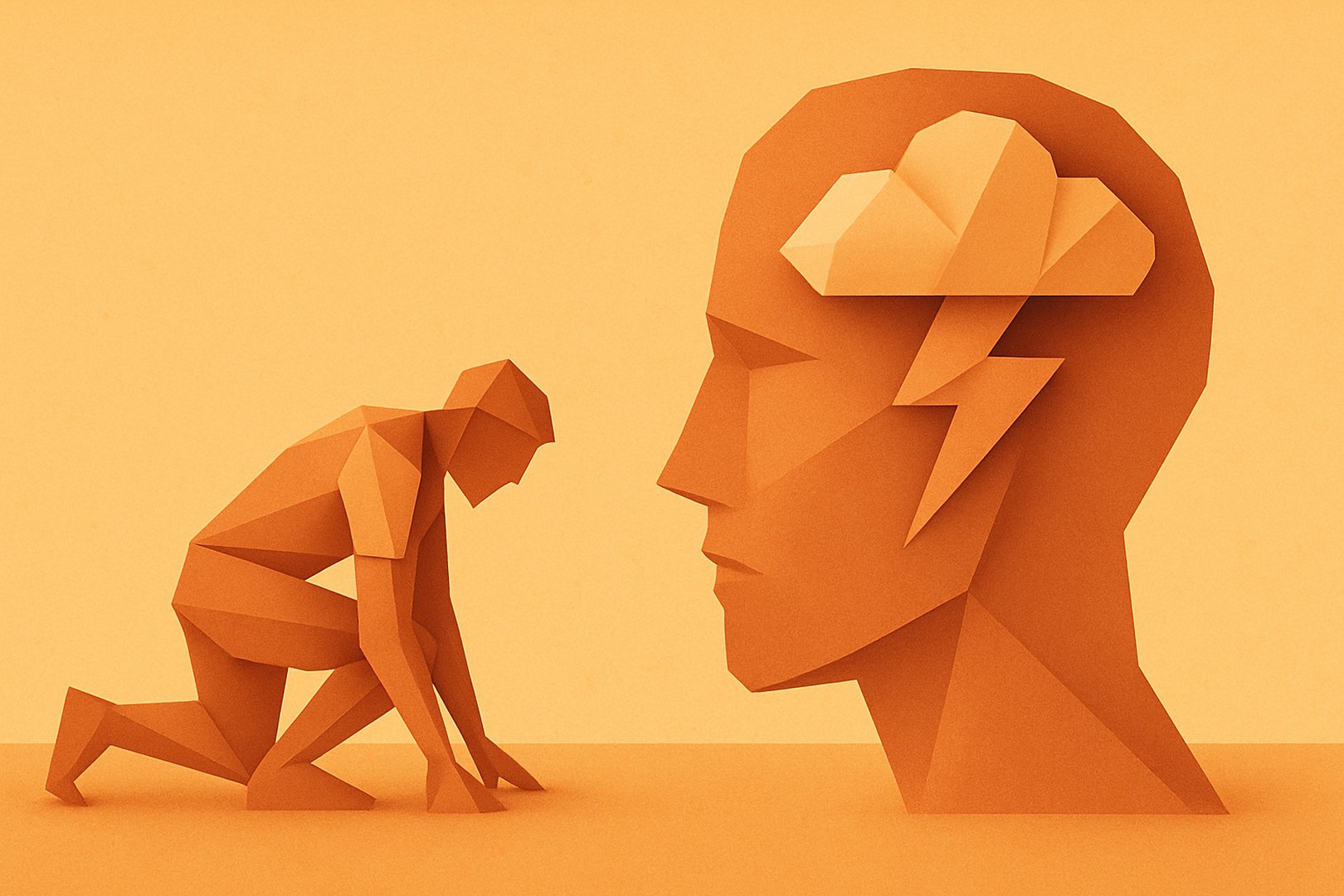
Performance anxiety is anxiety, fear, or a persistent phobia that arises when you need to perform in front of an audience, whether real or potential. It involves a marked and persistent fear of social or performance situations where embarrassment or humiliation might occur. This anxiety focuses on situations where you are observed or evaluated during a performance.
This condition stems from a fear of negative judgment for your performance. Performance anxiety is a type of social anxiety disorder, characterized by excessive fear around events like sports, stage performances, or sex. It is a common response to situations requiring high behavioral performance under pressure. Performance anxiety can cause anxiety symptoms that impact your actual performance; you might experience inhibited performance compared to your original expectations. For example, sexual performance anxiety involves excessive worry, fear, or nervousness about one’s sexual performance.
ICD-10 Codes for Performance Anxiety
ICD-10 codes for performance anxiety primarily fall within the F40-F48 range, which describes anxiety and stress-related disorders. According to pmc.ncbi.nlm.nih.gov, anxiety disorders are grouped under “Neurotic, stress-related and somatoform disorders” in ICD-10. You can find specific codes for social phobia, generalized anxiety, and other related conditions to help accurately document performance anxiety ICD-10 diagnoses on AmberWillo.
Primary ICD-10 Code for Performance Anxiety
The primary performance anxiety ICD-10 code is not a single, dedicated entry. Instead, performance anxiety typically falls under broader categories within the ICD-10 system, often related to anxiety or phobic disorders. The specific code used depends on the exact clinical presentation and diagnostic criteria met. For precise coding, you should always consult official ICD-10 resources or a qualified medical professional.
Related ICD-10 Codes for Anxiety and Phobic Disorders
Common anxiety ICD-10 codes include Social Phobia F40.1, which is specifically used for social anxiety disorder. More precisely, F40.10 identifies Social Phobia (social anxiety disorder), unspecified. The broader category F40 describes Phobic anxiety disorders, while F408 covers Other phobic anxiety disorders, and F409 is for Phobic anxiety disorder, unspecified. For general anxiety, F419 describes Anxiety disorder, unspecified. The ICD-10 code for social anxiety helps specify diagnostic criteria, including anxiety restricted to social situations, symptoms as primary manifestations of anxiety, and avoidance of phobic situations as a prominent issue.
ICD-10-CM Coding Guidelines for Anxiety Disorders
Clinicians first use DSM-5-TR criteria to diagnose anxiety disorders before selecting the appropriate ICD-10-CM codes. The International Classification of Diseases-10 (ICD-10) provides gold standard diagnostic criteria for anxiety disorder. According to pmc.ncbi.nlm.nih.gov, anxiety disorders are listed under “Neurotic, stress-related and somatoform disorders” in ICD-10. This classification groups anxiety disorders and OCD within the F40–F48 range. These codes describe anxiety, dissociative, stress-related, somatoform, and other nonpsychotic mental disorders, with the broader ICD-10 code F4 including generalized anxiety and adjustment disorders. For example, ICD-10 lists specific criteria for the diagnosis of social anxiety disorder, which provides proper diagnosis guidance. The diagnostic criteria help specify that symptoms are primary manifestations of anxiety, and that anxiety is restricted to social situations.
Clinical Criteria and Diagnosis of Performance Anxiety
To diagnose performance anxiety, mental health or medical professionals assess your symptoms and experiences. This condition is characterized by anxiety-like symptoms and thoughts that occur when you are about to perform or face a high-pressure situation. According to nimh.nih.gov, this anxiety may arise only during performance situations. It can lead to difficulty focusing, impaired performance, and reduced self-confidence. Performance anxiety is often caused by a fear of being judged negatively because of your performance. According to mayoclinic.org, severe performance anxiety can also be a symptom of social anxiety disorder, highlighting the need for careful differentiation.
Diagnostic Features According to ICD-10
ICD-10 codes do not list specific diagnostic features themselves. Instead, these codes classify diagnoses made by clinicians based on established clinical criteria. You will find that the diagnostic features for performance anxiety are detailed in clinical guidelines, which then inform the selection of the appropriate ICD-10 code. For the precise diagnostic criteria, consult official clinical manuals.
Differentiating Performance Anxiety from Other Anxiety Disorders
Performance anxiety differs from other anxiety disorders based on the specific triggers and scope of fear. Discrete performance anxiety is differentiated from generalized social anxiety by the number of situations that provoke anxiety. For instance, anxiety may arise only during performance situations, as noted by the National Institute of Mental Health (NIMH). Performance anxiety is a specific sub-type of social anxiety. However, some forms of performance anxiety are better grouped as another type of anxiety disorder, such as specific phobia. People with the pure performance anxiety subtype of Social Anxiety Disorder are less impaired and suffer less from additional mental disorders.
Using ICD-10 Codes for Documentation and Billing
ICD-10 codes are crucial for standardizing medical diagnoses and medical billing, especially for performance anxiety ICD-10. These codes are required for insurance reimbursement and justify medical necessity. You will need to ensure your documentation aligns with coding guidelines for billing accuracy and compliance.
Best Practices for Accurate Coding
Accurate coding for performance anxiety ICD-10 requires careful attention to diagnostic criteria and official guidelines. You must ensure the chosen code precisely reflects the patient's clinical presentation. Always consult the most current ICD-10-CM coding manuals and official updates for specific guidance. This helps maintain billing accuracy and compliance with healthcare regulations.
Common Coding Challenges and How to Avoid Them
Coding for performance anxiety ICD-10 can present challenges, especially when distinguishing it from other anxiety disorders or ensuring the code accurately reflects the patient's specific situation. You can avoid these issues by carefully reviewing the diagnostic criteria for performance anxiety and comparing them against related conditions. Always consult the most current ICD-10-CM coding manuals and official updates, as guidelines can change. This helps you select the correct code and maintain compliance.
Insurance and Reimbursement Considerations
Clients can receive insurance reimbursement, typically between 50 to 80 percent, after meeting their out-of-network deductible. This reimbursement process generally applies to out-of-network services, specifically for healthcare costs not billed directly to your insurance. To understand your coverage for performance anxiety ICD-10 related therapy, you must check directly with your insurance company. This ensures you know what to expect regarding your specific plan and any conditions for reimbursement.
Treatment and Management of Performance Anxiety
Psychological therapy is the first-line treatment for performance anxiety. Cognitive behavioral therapy (CBT) is a key approach, and short-term medication may also be appropriate for some individuals. Medication or natural remedies can help reduce symptoms of performance anxiety, according to the Anxiety & Depression Association of America. Overcoming performance anxiety often requires concentrated effort and coaching, which helps you understand how the anxiety works. Mindfulness, relaxation, and distraction techniques are also options for managing symptoms.
Evidence-Based Therapies
Evidence-based therapy is a treatment approach grounded in scientific research and proven effective through rigorous studies. These therapies include rigorous approaches proven effective by scientific research. For example, Evidence-based therapies (EBTs) use treatment modalities like Cognitive Behavioral Therapy (CBT), Dialectical Behavioral Therapy (DBT), and Eye Movement Desensitization and Reprocessing (EMDR). These are clinically effective therapy options that are safe and proven treatments. EBTs lead to longer-lasting treatment results and produce lasting results for real life-changing and long-term recovery. Qualified and verified therapists administer these therapies, requiring specialized training.
Medications Commonly Used
Medications can be a part of managing performance anxiety, but they are not a one-size-fits-all solution. The specific type and dosage of medication depend on your individual situation and medical history. Always consult a qualified healthcare professional for personalized advice on medications for performance anxiety, especially when considering treatment options related to an ICD-10 diagnosis. They can determine if medication is appropriate for you.
Self-Help and Coping Strategies
Managing performance anxiety often involves self-help and coping strategies to reduce symptoms. You can learn to identify your specific triggers and practice relaxation techniques, such as deep breathing or mindfulness. These approaches help you manage the physical and mental aspects of performance anxiety. However, the effectiveness of these strategies varies for each person. For personalized guidance, especially when dealing with a performance anxiety ICD-10 diagnosis, consult a qualified healthcare professional.
Differences Between Performance Anxiety and Social Phobia in ICD-10
Social anxiety disorder (social phobia), specifically the 'performance only' type, is coded as F40.10 in ICD-10. This means that performance anxiety is considered a form of social phobia. While performance anxiety focuses on fear in specific performance situations, social phobia covers a broader range of social interactions. ICD-10 outlines specific criteria for diagnosing social anxiety disorder. These criteria include consistently avoiding social situations or enduring them with intense anxiety due to concerns about negative evaluation. For someone with performance anxiety, this intense anxiety and avoidance would be primarily linked to situations where they perform.
How AmberWillo Supports Overcoming Performance Anxiety
AmberWillo provides support for overcoming performance anxiety by offering resources and guidance. You can find information and tools designed to help manage the challenges associated with performance anxiety. For specific details on the programs or services available, consult the official AmberWillo platform.
Performance Anxiety Therapist: Finding Professional Support
Finding professional support for performance anxiety means connecting with qualified anxiety therapists. These professionals help you develop strategies to overcome your performance-related fears. Anxiety therapists provide treatment to various individuals, including corporate executives, musicians, and other performers.
A private therapist can offer valuable assistance in managing performance anxiety. For instance, if you are an athlete, seeking professional support for sports performance anxiety provides tailored guidance for mental resilience development. This often involves engaging with sports psychologists or mental health professionals specializing in performance anxiety. Mental health support for musicians also specifically addresses performance anxiety.
You can access professional support through various channels, including at-home care and online counseling. Seeking help from a therapist is particularly useful for managing high functioning anxiety.
Performance Anxiety Medication: What You Should Know
Performance anxiety treatments include medications like beta blockers, alongside mental strategies and dietary supplements. Medication can be considered if your symptoms are very severe or persistent. Short-term medication may be appropriate for some individuals, offering support when needed. For instance, if you face a critical presentation or performance, medication might help manage acute symptoms.
As of 2019, performance anxiety sufferers used beta-blocker medications to control symptoms before significant events. You can compare products at AmberWillo's medication guide to understand your options better.
Frequently Asked Questions About Performance Anxiety ICD-10 Coding
When considering performance anxiety ICD-10 coding, many frequently ask about its importance, potential difficulties, and how clinicians stay current with classification changes. Accurate ICD-10 coding is crucial because it directly supports proper diagnosis, guides personalized treatment planning, ensures effective communication among healthcare professionals, and is vital for insurance reimbursement. While the system provides a standardized language for classifying health conditions, coding anxiety disorders, including performance anxiety, can present challenges due to the complexity of symptoms and the need for comprehensive documentation. To address this, healthcare professionals are expected to stay updated with the latest coding guidelines and practices, as the World Health Organization (WHO) makes annual revisions to the ICD-10 system, requiring clinical professionals to verify and use the correct, updated anxiety disorder codes yearly.
What Is the Exact ICD-10 Code for Performance Anxiety?
While there isn't a single, standalone ICD-10 code for performance anxiety specifically, it is most frequently classified under F40.1, which designates Social phobias. This classification applies when the individual's anxiety is primarily restricted to social situations where they anticipate being observed or evaluated, such as public speaking or artistic performances. The diagnostic criteria for F40.1 often include symptoms like anxiety specifically restricted to social situations and the avoidance of these phobic situations as a prominent issue, which aligns well with the experience of performance anxiety. For situations where the symptoms do not strictly fit social phobia, clinicians may use codes like F41.8 for Other Specified Anxiety Disorders or F41.9 for Anxiety disorder, unspecified, depending on the patient's unique presentation.
How Does ICD-10 Classify Performance Anxiety Within Anxiety Disorders?
The ICD-10, which stands for the International Statistical Classification of Diseases, Tenth Revision, classifies performance anxiety not as a standalone diagnosis but within broader anxiety categories. Specifically, the system groups anxiety disorders under the "Neurotic, stress-related, and somatoform disorders" chapter (codes F40-F48). Within this framework, performance anxiety ICD-10 coding most often falls under F40.1, designating Social phobias. This placement recognizes performance anxiety as a focused manifestation of fear related to being observed or evaluated, aligning it with the general "Phobic Anxiety Disorders" (F40) group. For situations where the anxiety related to performance does not strictly meet the criteria for social phobia, clinicians may use F41.8 for Other Specified Anxiety Disorders or F41.9 for Anxiety disorder, unspecified, both of which belong to the "Other Anxiety Disorders" (F41) grouping. This structured approach, developed by the World Health Organization, helps ensure consistent medical documentation and care.
What Symptoms Should Clinicians Document for Accurate Coding?
For accurate performance anxiety ICD-10 coding, clinicians must document the specific characteristics of a patient's symptoms with meticulous detail. Beyond simply identifying the presence of physical, cognitive, or behavioral manifestations, it is vital to capture additional context that clarifies the diagnostic picture. This includes noting the type of symptom, its frequency (how often it occurs), its intensity or severity, and its duration (both how long each episode lasts and the overall period the patient has experienced these issues). Clinicians should also detail the exact time frame and context in which symptoms appear, identifying specific triggers related to observation or evaluation. Furthermore, documenting the impact on the patient's daily functioning, along with any relevant comorbidities and psychosocial history, provides a comprehensive picture. This level of precise and detailed documentation ensures accuracy, completeness, and a clear rationale for the chosen ICD-10 code, guiding appropriate treatment and supporting proper reimbursement processes.
How to Differentiate Performance Anxiety From Social Anxiety Disorder in ICD-10?
Differentiating performance anxiety from social anxiety disorder in ICD-10 primarily hinges on the specific situations that trigger the anxiety. While performance anxiety ICD-10 coding most often falls under F40.1, Social phobias, clinicians distinguish it by carefully assessing the breadth of the patient's fear. Performance anxiety, in its purest form, involves intense worry and fear restricted solely to situations where an individual anticipates being observed or evaluated while performing a specific task, such as public speaking, playing an instrument, or taking an exam. In contrast, broader Social Anxiety Disorder (also F40.1) extends beyond performances to include a wider array of everyday social interactions, such as conversing with strangers, attending social gatherings, or eating in public, where the fear of judgment is pervasive. Therefore, accurate clinical documentation must clearly specify whether the anxiety is limited to performance-only contexts or if it impacts various non-performance social settings.
What Are Common Coding Mistakes to Avoid With Performance Anxiety?
To avoid common coding mistakes with performance anxiety ICD-10, clinicians must prioritize precision in diagnostic classification and meticulous documentation. A frequent error is misclassifying performance anxiety too broadly, such as assigning F41.9 (Anxiety disorder, unspecified) when symptoms clearly point to F40.1 (Social phobias) with a "performance only" context. Another pitfall is failing to adequately document the specific triggers, symptoms, and the restricted nature of the anxiety, which is essential for justifying the chosen code and ensuring accurate insurance reimbursement. Clinicians should also prevent mistakes like ignoring minor but crucial coding information or overlooking comorbid conditions, as these can lead to significant problems in patient care quality and financial outcomes. Staying current with the latest ICD-10 guidelines is vital, as outdated practices can result in diagnostic inaccuracies and hinder effective treatment planning.
Keep reading