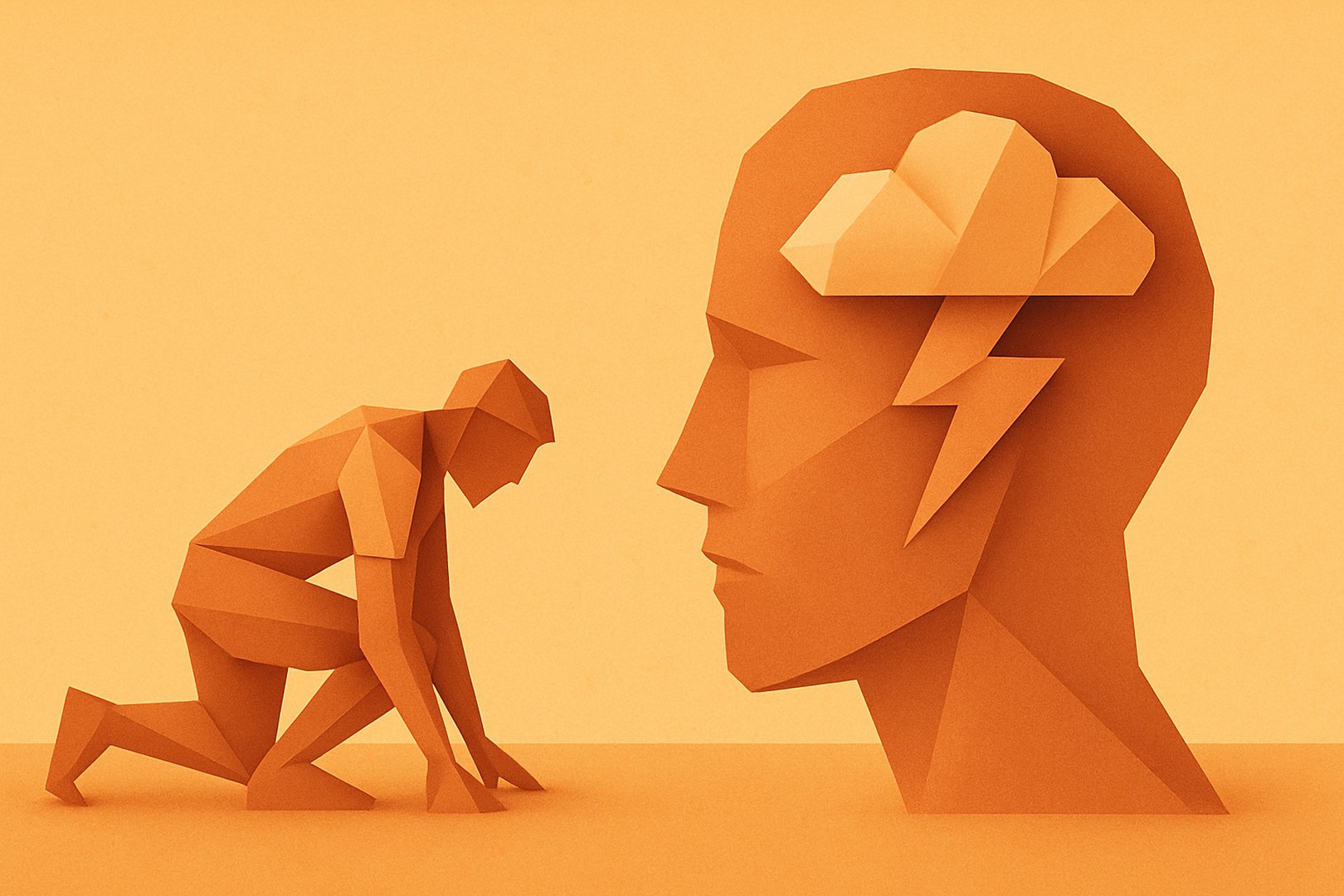
It might surprise you to learn that even the most celebrated competitors, famous athletes with performance anxiety, face immense psychological challenges. Performance anxiety is a common response to situations requiring high behavioral performance under pressure, affecting many professional athletes and often causing intense worry and fear of failure. On this page, we dive into what performance anxiety truly is, exploring its impact on athletes’ careers and examining the experiences of famous athletes with performance anxiety across Olympic, professional team, and individual sports. You’ll discover common mental health challenges, effective coping strategies, and gain inspiration from those who’ve learned to thrive under pressure.
Summary
- Performance anxiety is a common psychological challenge among athletes, characterized by intense fear and physiological symptoms that can impair performance, affecting even famous athletes like Michael Jordan and Simone Biles.
- It negatively impacts careers by causing underperformance, increased risk of injury, missed opportunities, and potential long-term mental health issues if left untreated.
- Effective coping strategies include Cognitive Behavioral Therapy (CBT), mindfulness, relaxation techniques, support from mental health professionals, and building strong personal and professional support systems.
- All types of athletes—Olympic, professional team, and individual sport competitors—experience unique pressures that contribute to performance anxiety, requiring tailored mental health resources and interventions.
- Exposure therapy and a growth mindset help athletes transform anxiety into positive energy, enabling them to perform confidently, while platforms like AmberWillo offer guided online support to manage these challenges effectively.
What Is Performance Anxiety in Athletes?
Performance anxiety in athletes is a psychological phenomenon characterized by heightened apprehension, fear, or nervousness experienced before or during competitive events. This anxiety stems from an exaggerated concern about one’s ability to perform a specific task under intense scrutiny, often triggered by overwhelming pressure to meet expectations, both internal and external. It manifests through both negative psychological and physiological reactions, leading to physical symptoms such as a racing heart, sweaty palms, muscle tension, and even nausea. Cognitively, athletes may grapple with racing thoughts, difficulty concentrating, negative self-talk, and a pervasive fear of embarrassment. Ultimately, these reactions can severely hinder an athlete’s ability to perform at their peak, a challenge that affects even elite-track athletes and Olympians, highlighting how profoundly famous athletes with performance anxiety can struggle despite their achievements.
How Does Performance Anxiety Impact Athletes’ Careers?
Performance anxiety significantly impacts athletes’ careers by directly hindering their ability to perform at their best, often leading to crucial errors when it matters most. This psychological challenge can cause athletes to underperform, choke under pressure, and panic, even after extensive preparation, directly affecting their competitive edge and reputation. It frequently manifests as compromised focus, heightened self-doubt, and a barrage of negative thoughts, which collectively lead to a decline in their overall performance outcomes despite their dedication.
Beyond immediate competition, unresolved performance anxiety can pose serious career limitations, increasing the risk of injuries due to impaired concentration or muscle tension, and causing famous athletes with performance anxiety to miss out on valuable opportunities, including sponsorships and career advancement. In severe instances, the intense feelings of worry and fear of failure can become so debilitating that they lead to career abandonment, preventing athletes from pursuing their passion or even contributing to long-term mental health issues and a reduced quality of life. This can occur at any stage, from early career to unexpected moments of success, profoundly undermining an athlete’s physical health, mental well-being, and overall professional trajectory.
Famous Athletes Who Have Experienced Performance Anxiety
Even the most celebrated competitors, famous athletes with performance anxiety, have openly shared their struggles, proving that this challenge affects those at the very pinnacle of sports. Icons such as Michael Jordan, Muhammad Ali, Michael Phelps, Venus Williams, and Simone Biles have all experienced profound self-doubt and immense pressure during their careers. Their willingness to publicly disclose these personal battles marks significant cultural progress in how mental health is perceived within the athletic world, highlighting that even performers under the most intense global scrutiny are not immune to fear and apprehension.
Olympic Athletes
For Olympic athletes, performance anxiety is uniquely intensified by the immense pressures inherent in competing on the global stage. These elite competitors typically commit to rigorous training for 4 years to qualify for Olympics, aiming for Olympic glory and striving to etch names in history. The burden of representing their country, coupled with personal hopes, dreams, and the expectations from funders and trainers, creates an extraordinary environment where a high level of stress during Olympic Games is common. Even among the most accomplished, this intense spotlight can trigger severe apprehension, making them prime examples of famous athletes with performance anxiety who must navigate profound mental challenges.
Despite possessing incredible talent and operating at the highest professional athletic level against the best athletes worldwide, Olympic hopefuls recognize the need to nurture a strong mind. It’s why many have, for decades, consulted with Mental Game Coaches and Sport Psychologists to build resilience and cultivate the deep-seated belief in themselves necessary to perform under such unparalleled scrutiny. Their journey highlights that even at the pinnacle of human achievement, managing the psychological aspect of competition is as crucial as physical prowess.
Professional Team Sport Athletes
For professional team sport athletes, performance anxiety carries a unique weight, as individual pressures are magnified by the collective responsibility to their teammates, coaches, and fans. Even many famous athletes with performance anxiety who play team sports frequently grapple with the immense psychological demands of contributing to a group’s success. Professional sports teams widely recognize this, leading them to integrate comprehensive support systems, including sport psychologists and mental skills consultants, directly into their athlete support teams. While these resources, alongside the supportive athlete community, are crucial for managing pressure, a significant challenge remains: some professional athletes still lack comfortable access to organizational mental health resources due to the enduring stigma of viewing mental health treatment as a weakness.
Individual Sport Athletes
Individual sport athletes often face a heightened form of performance anxiety, primarily because they shoulder the sole responsibility for their performance, decisions, and managing emotions during competition. Unlike team sports where success or failure can be shared, athletes in individual sports such as swimming, track & field, cross-country, wrestling, and tennis experience a direct, personal accountability. This intense spotlight leads to an increased cognitive and emotional burden, frequently manifesting as heightened mental focus but also a greater likelihood of anxiety and negative self-talk. Even many famous athletes with performance anxiety who compete individually grapple with this unique pressure, finding it a significant challenge to separate their personal identity from their athletic achievements, which can profoundly impact their mental well-being and performance.
Common Mental Health Challenges Related to Sports Performance Anxiety
Sports performance anxiety often extends beyond simple pre-game nerves, triggering or worsening a variety of other significant mental health challenges for athletes. Beyond the fear of general failure, competitors, including many famous athletes with performance anxiety, frequently face deeper concerns such as the fear of losing, fear of injury, fear of embarrassment, and even the fear of losing social status or a position on their team. These intense pressures can fuel persistent self-doubt, leading to constant mental exhaustion and behaviors like hesitation in executing a game plan or even avoiding situations that trigger anxiety. Over time, this chronic stress can evolve into more severe conditions such as depression, social anxiety, and burnout, profoundly affecting an athlete’s overall well-being and their long-term enjoyment of the sport.
Effective Coping Strategies and Treatments Used by Athletes
To effectively manage performance anxiety, athletes employ a variety of professional treatments and practical coping strategies. Cognitive Behavioral Therapy (CBT) stands out as a fundamental approach, helping athletes develop healthier coping mechanisms by teaching them to reframe negative thoughts, manage emotional responses, and cultivate problem-solving skills. This often includes cognitive restructuring, where athletes learn to challenge and change unhelpful thought patterns that contribute to their anxiety.
Beyond structured therapy, many athletes, including even famous athletes with performance anxiety, integrate daily practices such as mindfulness and relaxation techniques like deep breathing exercises and visualization to calm their nervous system before and during competition. They also benefit immensely from building strong support systems, reaching out to trusted friends, family, coaches, and mental health professionals for guidance and encouragement. Identifying and engaging in self-care practices, like journaling or immersing in meaningful activities, further helps individuals tailor strategies to face their unique situations and maintain mental well-being alongside their rigorous physical training.
Psychological Techniques and Therapy
Beyond common coping strategies, psychological techniques and therapy provide a structured framework of diverse tools and strategies designed to target various psychological problems contributing to performance anxiety in athletes. While Cognitive Behavioral Therapy (CBT) is widely used and highly effective for reframing negative thoughts, a broader spectrum of therapeutic approaches exists, offering unique pathways for athletes, including famous athletes with performance anxiety, to achieve mental well-being and peak performance. These include various specific types of Cognitive and behavioural therapies such as Dialectical Behavioural Therapy (DBT), Acceptance and Commitment Therapy (ACT), and Trauma-focused CBT, each tailored to help athletes manage intense emotions, process challenging experiences, and develop psychological flexibility under pressure.
Furthermore, psychodynamic therapy delves into unconscious patterns and past experiences that may be contributing to an athlete’s anxiety, helping them understand the deeper roots of their fear. Similarly, Humanistic therapies, which include approaches like Person-centred therapy and Transpersonal psychology, focus on self-actualization and personal growth, empowering athletes to tap into their inner resources and overcome self-doubt. Psychologists and therapists are trained to use these therapeutic techniques, drawing from a wide array of evidence-based approaches to help athletes not just cope, but truly transform their psychological dynamics to perform confidently.
Physical and Relaxation Methods
Physical and relaxation methods are essential tools that athletes use to manage the immediate and underlying physical symptoms of performance anxiety. These techniques specifically target the body’s stress response, helping to calm the nervous system, reduce muscle tension, and foster a more composed state before and during competition. Building on the use of deep breathing exercises, athletes often incorporate practices like progressive muscle relaxation (PMR), a technique that involves systematically tensing and then releasing different muscle groups throughout the body. This process helps athletes become acutely aware of physical sensations and effectively release physical tension, which can be a significant hindrance for many competitors, including famous athletes with performance anxiety.
Beyond these targeted exercises, a range of physical activities and relaxation methods contribute to an athlete’s mental and physical well-being. Practices such as yoga and meditation are widely used for their ability to promote overall physical and mental calmness. Even engaging in light exercise, getting a therapeutic massage, or taking a warm bath can significantly reduce stress and muscle tension. The consistent application of these methods helps athletes not only alleviate immediate anxiety but also build long-term resilience, enabling them to lower physiological arousal and perform at their peak.
Support Systems and Mental Health Resources
Support systems and mental health resources are crucial for navigating performance anxiety, providing a comprehensive safety net for athletes and those around them. Beyond relying on personal circles like friends and family members, who offer vital emotional validation and practical help, athletes, including famous athletes with performance anxiety, often benefit greatly from structured resources. These include support groups and online communities, such as Mental Health Support Forums, many of which are available 24 hours a day, 365 days a year, offering a friendly and safe space for peer support and guidance. Furthermore, accessible Mental Health Resources extend beyond individual athletes, providing tailored information and assistance not just for those directly experiencing mental health challenges, but also for educators, and community and faith leaders, empowering a wider network to understand and support mental well-being effectively.
Inspiration from Athletes Overcoming Performance Anxiety
The journeys of athletes who conquer performance anxiety offer profound inspiration, demonstrating that mental strength is as vital as physical prowess. Even famous athletes with performance anxiety learn to not just manage their fears, but to actively transform them, viewing high-pressure situations as opportunities for growth rather than debilitating threats. These successful competitors teach us the power of a “growth mindset,” where jitters are reframed into positive energy, allowing them to perform calmly and with poise. Their stories underscore that prioritizing mental health alongside physical conditioning helps build lasting confidence and leads to achieving peak athletic success. Ultimately, witnessing their resilience encourages anyone grappling with similar challenges to embrace self-care, confront anxieties, and become a more confident version of themselves, with positive effects spilling over into all areas of life.
Understanding Performance Anxiety: A Deeper Look
Understanding performance anxiety at its core reveals it as a deeply ingrained psychological response, often stemming from the intense feeling that something is expected of a person in high-stakes situations. Far from being a flaw, it’s often a natural reaction, experienced not just by famous athletes with performance anxiety but across a broad population, including musicians, actors, and students alike. A deeper look uncovers that this anxiety is greatly exacerbated by self-imposed high standards and perfectionism, where an individual views the performance situation as a threat, activating a primal ‘fight or flight’ response. Interestingly, while it feels debilitating, the underlying causes and physiological process are remarkably similar for most individuals, and its intense energy can even be reframed as excitement with the right mindset and tools.
Supplements for Managing Performance Anxiety in Athletes
When considering methods to support mental well-being, supplements for managing performance anxiety in athletes can play a complementary role in a holistic strategy. These natural alternatives, including various vitamins, minerals, amino acids, and herbal extracts, are designed to support brain health, focus, and a sense of calm during high-pressure situations, often appealing even to famous athletes with performance anxiety looking for an edge. For instance, specific natural supplements like PerformZen are formulated to help improve symptoms of performance anxiety and stage fright, offering an alternative to traditional medications like beta-blockers for individuals facing high-stakes events. However, it’s crucial to remember that while supplements can fill nutritional gaps and support optimal mental function, they are most effective when integrated into a comprehensive approach that includes psychological techniques, physical relaxation methods, and strong support systems, and should always be discussed with a healthcare professional before use. To learn more about specific options, explore performance anxiety supplements further.
The Ultimate Guide to Performance Anxiety for Athletes
This Ultimate Guide to Performance Anxiety for Athletes serves as your comprehensive resource for understanding and overcoming the mental barriers that can hinder athletic performance. Here, we delve into how performance anxiety is a complex phenomenon, affecting even famous athletes with performance anxiety by impacting their physical state through symptoms like headaches, gastrointestinal issues, or difficulty breathing, and causing specific performance difficulties such as bad shots or a loss of trust in movement. Beyond simple nerves, this guide helps you grasp the intricate components of performance anxiety, including its somatic, cognitive, and affective aspects, recognizing that athletes often perform best within their individual optimal anxiety zone. You’ll gain valuable insights into recognizing its causes, like those stemming from high expectations, and discover practical strategies, from mental preparedness to focusing on game day tactics, to transform pressure into peak performance.
Frequently Asked Questions About Athletes and Performance Anxiety
When athletes, coaches, and even fans consider the topic, many questions frequently arise about performance anxiety and its impact on sports, extending even to famous athletes with performance anxiety. People often wonder what truly triggers this intense pressure beyond the obvious stakes of competition. It turns out that unique factors like over-practicing by performers can sometimes contribute, alongside the significant influence of crowd expectations and, for young athletes, the growing pressure from social media to maintain a certain image. Athletes also frequently ask about the specific ways anxiety manifests physically, often experiencing a distinct “tightening up” and loss of freedom of movement and trust during crucial moments. Furthermore, a common concern revolves around the long-term emotional toll, as anxiety can lead to reduced enjoyment and appreciation for their sport over time, even for those at the top. Addressing these nuances helps us understand that while performance anxiety is a challenge, successful athletes often find that recognizing anxiety as a normal part of competition is a key step toward managing it effectively.
Can performance anxiety affect all types of athletes?
Yes, performance anxiety can absolutely affect all types of athletes, regardless of their sport, skill level, or career stage. This challenging psychological response is not exclusive to elite competitors; it impacts individuals ranging from amateur and college athletes to seasoned professionals, even those considered the very best in the world. Whether competing in individual pursuits like gymnastics and track, or team sports such as basketball and football, athletes are susceptible to intense feelings of worry and fear of failure when under pressure. This pervasive nature highlights that even famous athletes with performance anxiety often grapple with these struggles, demonstrating that no one at any level is immune to the mental demands of high-stakes performance.
What are the signs of performance anxiety in sports?
Performance anxiety in sports often reveals itself through a combination of noticeable physical, mental, and behavioral shifts that can significantly hinder an athlete’s peak performance. These signs aren’t just minor jitters; they can be quite disruptive, affecting even famous athletes with performance anxiety who have spent years honing their craft. Recognizing these symptoms early is key to addressing them effectively.
Here are the common signs of performance anxiety in sports:
- Physical Signs: Athletes may experience a range of bodily reactions, including trembling hands, lips, or knees, along with a shaky voice, stuttering, or jumbled speech. Other symptoms include a dry throat or mouth, dizziness, a distinct “sick feeling” (even if actual vomiting is less common), and a sudden urge to rush to the toilet. In severe cases, performance anxiety can escalate to trigger panic attacks.
- Cognitive and Emotional Signs: Mentally, athletes might find their mind going blank during critical moments, struggle with intense self-criticism, and frequently imagine worst-case scenarios. They may also feel a pervasive sense of unease, heightened irritability, or a deep dread about upcoming competitions, impacting their mental well-being and focus.
- Behavioral Signs: Observable changes in behavior can include a strong urge to back out of performances entirely, “freezing up” or retreating from sports situations, and avoidance of anxiety-triggering activities. Athletes might also exhibit a noticeable slowing down, performing at a much slower pace than their actual capability, which directly compromises their execution during the game.
How do athletes typically seek help for anxiety?
Athletes typically seek help for anxiety by engaging with specialized mental health professionals who understand the unique pressures of competitive sports. They frequently turn to sports psychologists, who can help them recognize specific anxiety triggers and develop personalized strategies to manage performance-related stress. Many also work with licensed mental health professionals or mental health coaches, especially when grappling with anticipatory anxiety or other deep-seated fears that interfere with their careers and well-being. This direct professional support is crucial for athletes at all levels, from emerging talents to famous athletes with performance anxiety.
The increasing openness of professional athletes about their struggles has significantly reduced the stigma surrounding mental health in sports, making it easier for others to reach out. This cultural shift underscores that seeking help is not a sign of weakness, but a vital step towards effective anxiety management and achieving sustained peak performance both on and off the field.
Are there long-term effects of untreated performance anxiety?
Yes, untreated performance anxiety can certainly have significant and lasting long-term effects on an individual’s life and well-being. While occasional nervousness might not cause permanent harm, chronic or severe performance anxiety often creates a damaging cycle. Over time, the low self-esteem fueled by repeated anxious experiences can lead to more serious mental health conditions, including clinical depression, social anxiety, and various phobias. This persistent fear of performing poorly often reinforces itself, leading to a self-fulfilling prophecy where anxiety itself causes impaired performance, making future events even more daunting.
Beyond mental health diagnoses, prolonged avoidance behavior due to performance anxiety can significantly limit a person’s life trajectory. This includes loss of personal interests, as individuals may give up beloved hobbies to avoid high-pressure situations, and even substantial career opportunity loss, such as turning down promotions that require public speaking or high-stakes presentations. Even for famous athletes with performance anxiety, neglecting these issues can lead to a decline in cognitive and performance abilities, causing severe psychological draining, relationship difficulties, and a profound reduction in overall quality of life by preventing them from progressing and engaging fully in their passions.
How can exposure therapy help athletes with anxiety?
Exposure therapy helps athletes with anxiety by systematically and gradually exposing them to feared situations or stimuli in a safe, controlled environment, which effectively reduces their fear and improves their performance. This therapeutic process, sometimes called desensitization, works by allowing athletes to repeatedly confront triggers without avoidance, teaching their brain to no longer associate these situations with overwhelming danger or fear. By doing so, athletes with anxiety can directly face the specific elements of competition that cause them severe anxiety, leading to a significant reduction in stress and a regain of confidence.
For athletes who experience performance anxiety, this gradual confrontation—moving from less to more anxiety-provoking scenarios—is crucial for managing the intense psychological and physiological reactions that interfere with their athletic ability. For example, an athlete might start by visualizing a high-pressure moment and then progress to practicing under simulated game conditions or even engaging in real-life, but low-stakes, competitive scenarios. This systematic exposure enables them to confront their fears head-on, reduce overall anxiety, and build resilience, allowing even famous athletes with performance anxiety to achieve more consistent and optimal performance when it matters most.
About AmberWillo and Our Support for Overcoming Performance Anxiety
AmberWillo provides a unique and effective online platform designed to help individuals, including athletes, overcome performance anxiety by building lasting confidence and a calmer demeanor in high-pressure situations. Our approach centers on guided online exposure sessions within small groups of up to 14 participants, creating a supportive community where individuals can gradually face their fears. This method, similar to the desensitization strategies proven beneficial for many, helps retrain the brain’s fear response, offering practical tools and expert guidance from world-class coaches. While often associated with public speaking or stage fright, the psychological principles for managing performance anxiety are universal, meaning our support can be incredibly beneficial for athletes aiming to perform at their peak, much like famous athletes with performance anxiety learn to manage their intense pressures. By fostering a safe space for shared experience, AmberWillo helps normalize anxiety and provides a healthier context for managing it, ultimately leading to increased confidence during performance.